

- Trending
- Comments
- Latest

French authorities arrested six people, including a minor, after rescuing a 35-year-old magistrate and her mother who were held captive for 30 hours by kidnappers demanding cryptocurrency from the judge’s partner, a senior executive at a crypto startup, prosecutors said Sunday.
The Lyon public prosecutor’s office said on Sunday that four men and one woman were taken into custody overnight, with a sixth suspect, a minor, arrested later in the afternoon.
Two of the suspects were intercepted while attempting to board a bus bound for Spain, suggesting an effort to flee the country as the police operation intensified.
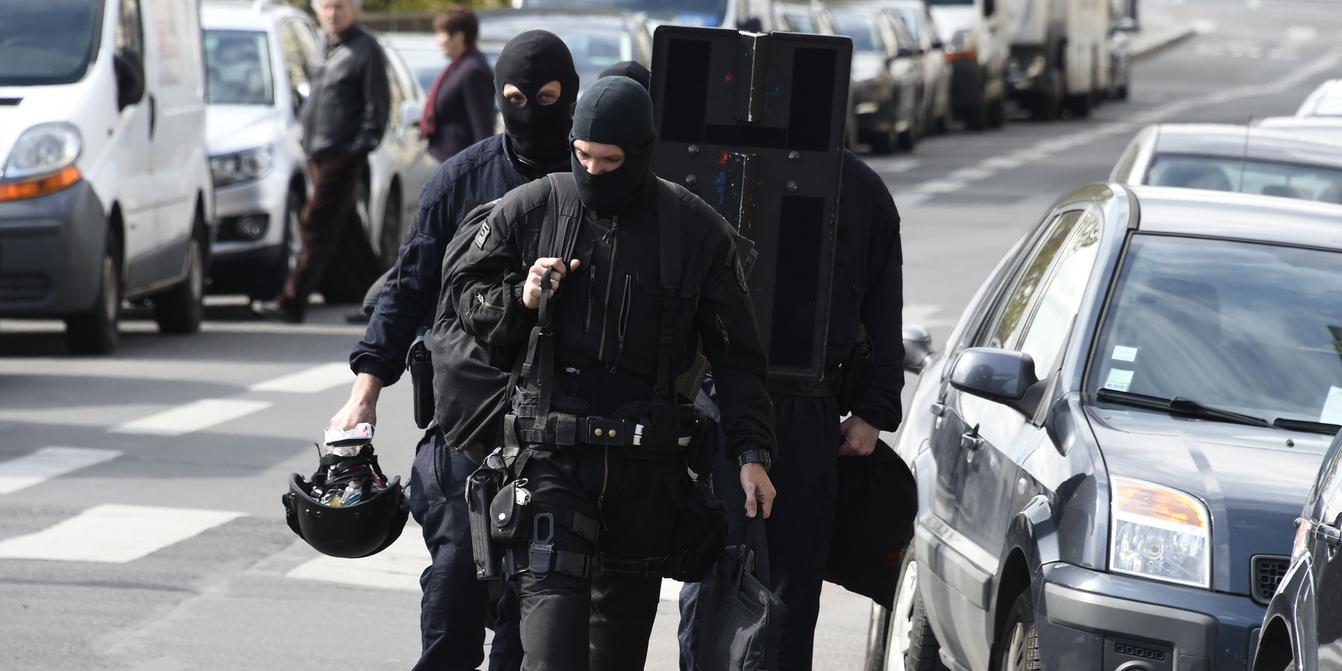
“The arrests followed a coordinated operation involving around 160 officers,” — Lyon public prosecutor’s office, in a statement, confirming the scale of the response to the crypto kidnapping France case.
Investigators said one of the detainees is the partner of one of the male suspects, while police continue to search for additional individuals believed to have played a role in the abduction.
Authorities have not released the identities of the suspects or victims, citing judicial confidentiality and safety concerns.
The operation began after the magistrate’s partner received a message and a photograph from the kidnappers demanding payment in cryptocurrency.
Prosecutors said the demand triggered immediate concern due to the explicit threats made against the victims.
The magistrate and her mother were discovered on Friday morning inside a garage in Bourg-lès-Valence, where they had been confined since the abduction.
Prosecutors said the captors threatened to mutilate the victims if the cryptocurrency ransom was not transferred quickly, though officials declined to disclose the amount demanded.
“The victims were found injured but alive, and no ransom was paid,” — Lyon public prosecutor’s office, confirming a key detail of the crypto kidnapping France investigation.
According to prosecutors, the two women managed to make noise from inside the garage, drawing the attention of a neighbor who opened the door and alerted authorities.
Their discovery brought the ordeal to an end before the kidnappers could carry out their threats or receive payment.
Medical officials treated both women for injuries, though authorities said their lives were not in danger.
The outcome stands in contrast to other cases linked to crypto kidnapping France, where victims have reportedly suffered severe harm before or even after ransoms were paid.
French investigators believe the case reflects a broader trend in which criminals exploit public perceptions of cryptocurrency wealth.
Law enforcement officials have warned that individuals connected to the crypto industry, as well as their families, may face elevated risks as digital assets become more mainstream.
“This case appears to fit a pattern of extortion attempts targeting people with links to the cryptocurrency sector,” — Lyon public prosecutor’s office, noting similarities to earlier investigations tied to crypto kidnapping France.
In previous incidents cited by French media and court records, kidnappers have targeted executives, traders, or relatives of crypto entrepreneurs, sometimes inflicting violence to pressure victims into transferring funds.
Because cryptocurrency transactions can be fast and difficult to reverse, authorities say they are increasingly attractive to criminal groups.
Policy makers are now facing questions about whether existing laws and protective measures are sufficient to address the risks posed by crypto-related extortion.
While France already treats kidnapping and extortion as serious criminal offenses, the cross-border nature of cryptocurrency transactions complicates investigations and asset recovery.
For the general public, the crypto kidnapping France case underscores that digital assets can introduce real-world security risks alongside financial innovation.
For policy makers, it highlights the need for coordination between financial regulators and law enforcement as crypto adoption grows.
French authorities have repeatedly emphasized that holding or working with cryptocurrency does not make individuals immune to traditional crimes such as kidnapping and extortion.
Instead, investigators warn that visibility within the crypto sector may increase exposure.
As the judicial process moves forward, the outcome of this crypto kidnapping France case is likely to influence how authorities assess threats linked to digital assets and whether additional safeguards are needed for those working in the industry.
The arrests mark a significant step, but prosecutors have made clear that the investigation is ongoing and further charges could follow.
The case serves as a stark reminder that as cryptocurrencies become more embedded in the global economy, the risks associated with them are not only financial but increasingly physical as well.



Copyright © 2025 - The Bit Gazette.