






- Trending
- Comments
- Latest

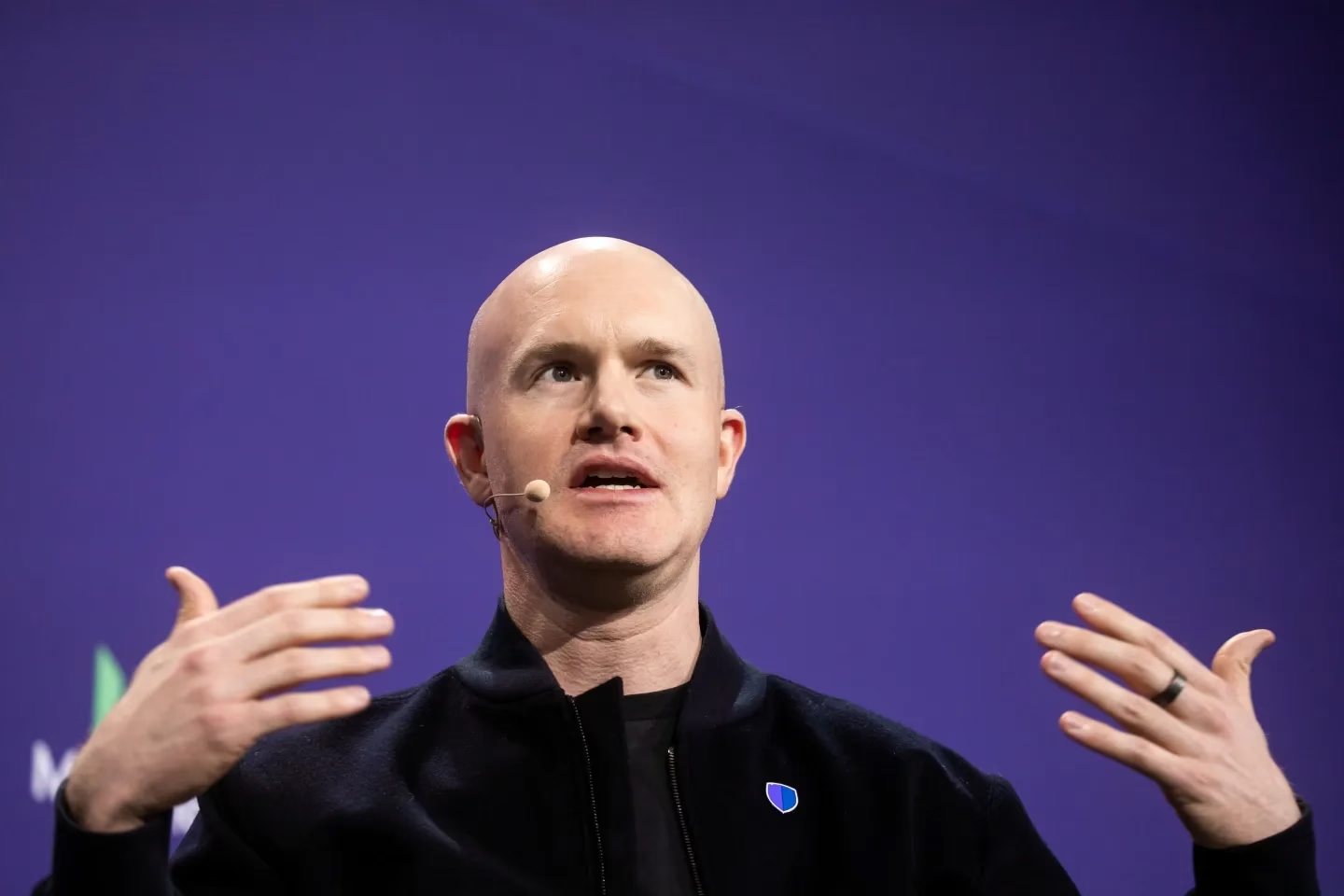
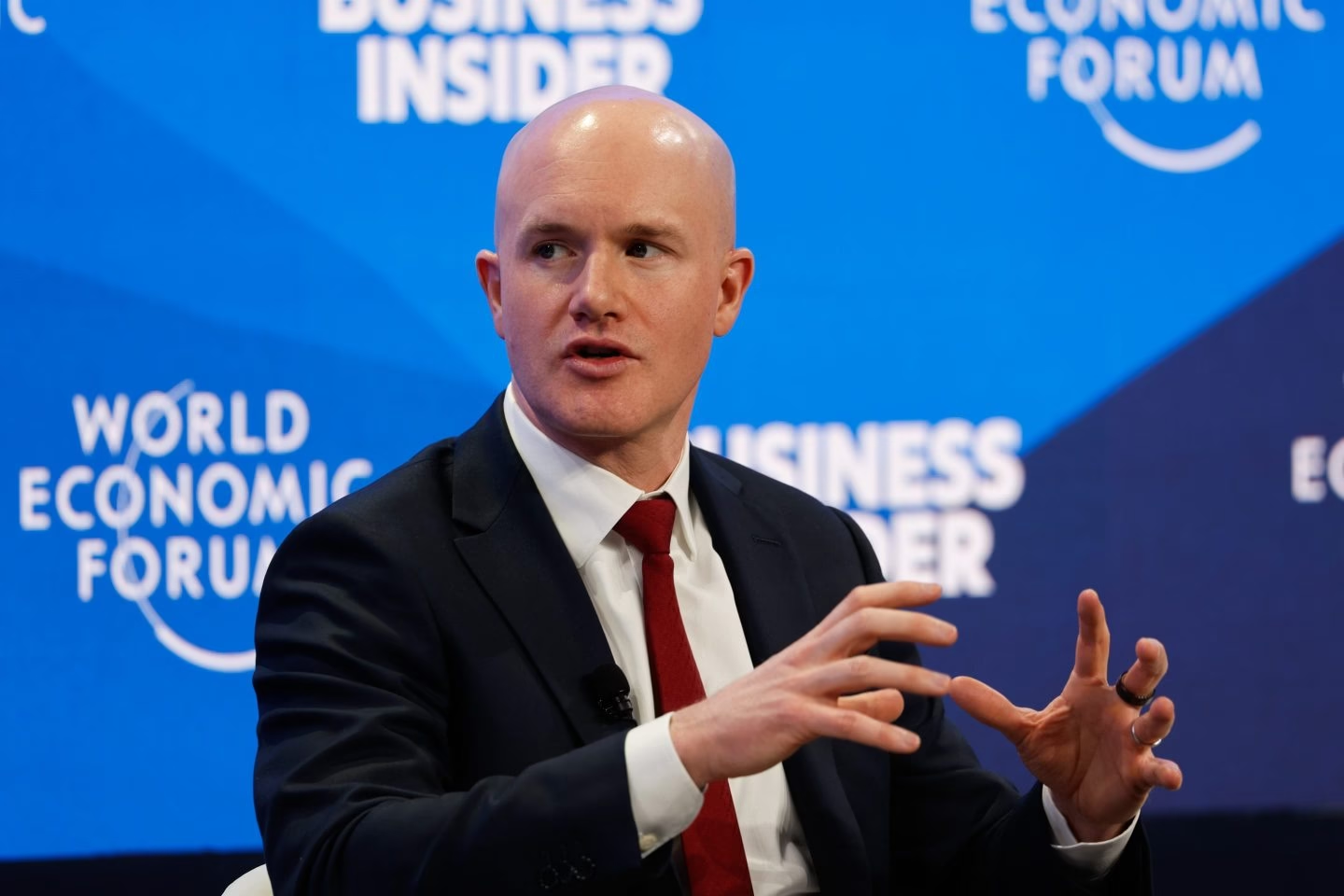
Coinbase CEO Brian Armstrong says tokenized stocks could fundamentally reshape global financial markets by enabling 24-hour trading, fractional ownership, and near-instant settlement—calling blockchain-based equities one of the most powerful use cases for the technology beyond cryptocurrencies.
In comments shared across social media this week, Armstrong argued that placing equity exposure on-chain would make markets faster, more inclusive, and less constrained by geographic and institutional barriers that define traditional stock exchanges.
“Tokenization allows assets to move at the speed of the internet,” Armstrong said. “That opens the door to real-time settlement, global participation, and new financial instruments that simply aren’t possible in today’s market structure.”
Armstrong outlined several ways Tokenized stocks could transform capital markets. Chief among them is 24-hour trading, which would eliminate the limitations of traditional stock exchange hours and allow investors to trade at any time.
Fractional ownership is another major shift. By enabling investors to purchase portions of shares rather than whole units, Tokenized stocks could lower the barrier to entry for retail participants, particularly in markets where high share prices have historically restricted access.

The Coinbase CEO also highlighted real-time settlement as a breakthrough. Traditional equity trades can take days to settle, creating counterparty risk and tying up capital. On-chain settlement, Armstrong said, could drastically reduce these inefficiencies.
Beyond spot trading, Armstrong suggested Tokenized stocks could pave the way for perpetual futures and new governance models that blend features of decentralized finance with regulated markets.
The crypto community has offered mixed reactions to the vision. Andreas Kohl, a vocal advocate of on-chain financial infrastructure, expressed support for the idea of tokenizing equities but criticized implementations tied to centralized depositories.
Kohl argued that derivatives based on custodial shares miss the larger opportunity. He said the real promise of Tokenized stocks lies in on-chain direct registration systems that remove intermediaries entirely.
“The biggest opportunity is disintermediated trading and native settlement,” Kohl wrote, adding that post-fiat markets could reduce monetary policy distortions and eliminate practices such as naked short selling.
Other commentators welcomed the broader trend, predicting Tokenized stocks could become a mainstream investment vehicle within a few years. However, critics raised concerns about governance, regulatory oversight, and the influence of legacy financial institutions.
Some observers accused Washington policymakers of clinging to outdated Wall Street frameworks to control blockchain innovation, comparing the resistance to post-2008 bailouts that protected entrenched interests while stifling disruption.
Not everyone is convinced the transition will be smooth. The German Foundation Coin cautioned that while access and liquidity can scale rapidly, trust and enforceability cannot.
The organization said Tokenized stocks must be backed by clear legal rights, enforceable ownership claims, and settlement finality that exists on-chain rather than relying on off-chain promises.
“Without enforceability, tokenization risks becoming an illusion of ownership,” the foundation warned in a recent statement.



Copyright © 2025 - The Bit Gazette.