





- Trending
- Comments
- Latest

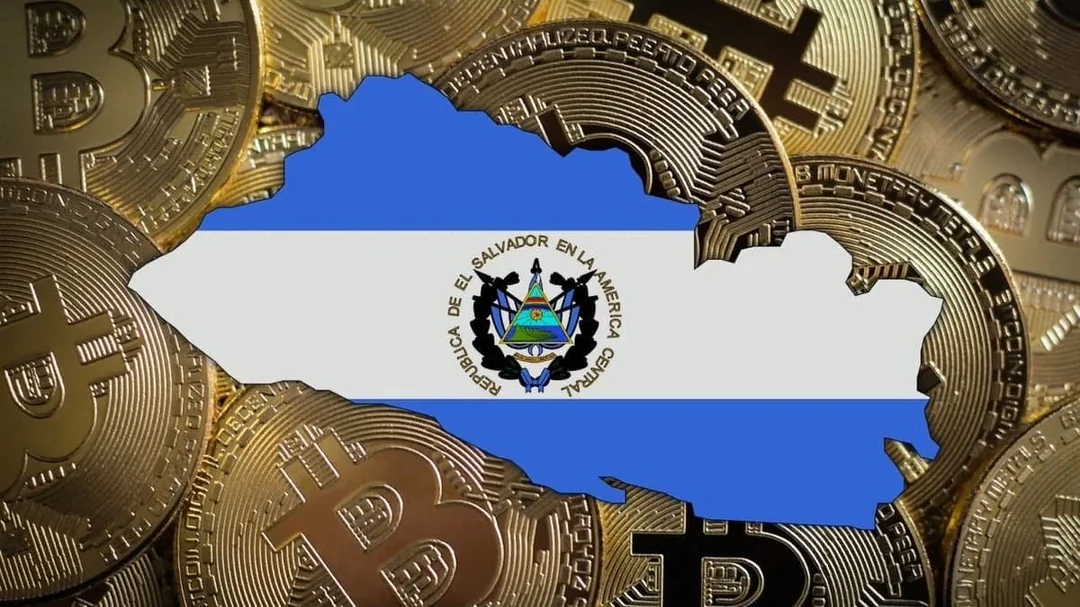
El Salvador has secured a $1.4 billion loan from the International Monetary Fund (IMF), a move that places Bitcoin regulations at the forefront of its economic strategy. The El Salvador Bitcoin IMF Loan is designed to address challenges tied to the nation’s adoption of Bitcoin as legal tender, improve credit ratings, and stabilize its economy.
The agreement follows the controversial 2021 decision to make Bitcoin an official currency alongside the U.S. dollar. While the move was hailed as innovative, it also drew criticism from international markets, adversely affecting the country’s credit rating. The IMF loan aims to mitigate risks associated with Bitcoin, introducing a structured framework to regulate its use.

source: google images
The El Salvador Bitcoin IMF Loan imposes conditions that require significant changes to the country’s Bitcoin policies. These include strengthening the legal framework for Bitcoin’s use as legal tender to enhance transparency and stability, removing the mandatory requirement for businesses to accept Bitcoin to provide greater flexibility, and implementing stricter oversight to address financial stability concerns and prevent illicit activities. Together, these reforms aim to rebuild global trust in El Salvador’s financial strategy and promote a more sustainable and balanced integration of Bitcoin into the national economy.
The government-backed Chivo wallet, designed to facilitate Bitcoin transactions, has faced significant technical and adoption challenges. Despite having over three million registered users, the platform has seen daily transaction volumes fall below 2%, limiting its effectiveness in driving economic inclusion.
In response, the Bukele administration plans to reduce dependence on the Chivo wallet, aligning its strategy with the IMF’s recommendations. By addressing the platform’s shortcomings, the government hopes to improve the overall efficiency of its Bitcoin initiative.
The $1.4 billion loan is anticipated to bring transformative changes to El Salvador’s economy, including the potential to restore its global credit rating by meeting the IMF’s conditions, thereby attracting new investments. It also provides essential support for addressing the nation’s debt challenges, creating a pathway to fiscal stability. Furthermore, the regulatory reforms and strategic adjustments linked to the loan could foster sustainable economic growth and bolster investor confidence. Collectively, these measures position El Salvador to balance Bitcoin adoption with traditional economic principles, promoting both innovation and financial stability.
source: google images
El Salvador’s role as the first nation to adopt Bitcoin as legal tender has placed it at the center of the global cryptocurrency narrative. The El Salvador Bitcoin IMF Loan reflects the complexities of merging decentralized financial technologies with national policies.
The IMF’s regulatory requirements signal a pragmatic approach towards The El Salvador Bitcoin IMF Loan, focusing on risk reduction while retaining the innovative potential of Bitcoin. The decision to lift mandatory private-sector Bitcoin usage and reform the Chivo wallet demonstrates the government’s commitment to addressing concerns while leveraging the benefits of cryptocurrency.
The El Salvador Bitcoin IMF Loan is a pivotal step in the nation’s economic journey. By adhering to the IMF’s conditions, El Salvador seeks to stabilize its economy, enhance its credit rating, and refine its approach to Bitcoin adoption. While challenges remain, the loan agreement underscores the importance of regulatory oversight and strategic adjustments in navigating the intersection of cryptocurrency and national policy. For El Salvador, this move could pave the way for a more balanced and sustainable future, positioning it as a global case study in crypto-driven economic reform. Stay updated with the latest developments in the cryptocurrency industry through The BIT Gazette, offering comprehensive insights into the current events shaping the sector.



Copyright © 2025 - The Bit Gazette.

