





- Trending
- Comments
- Latest

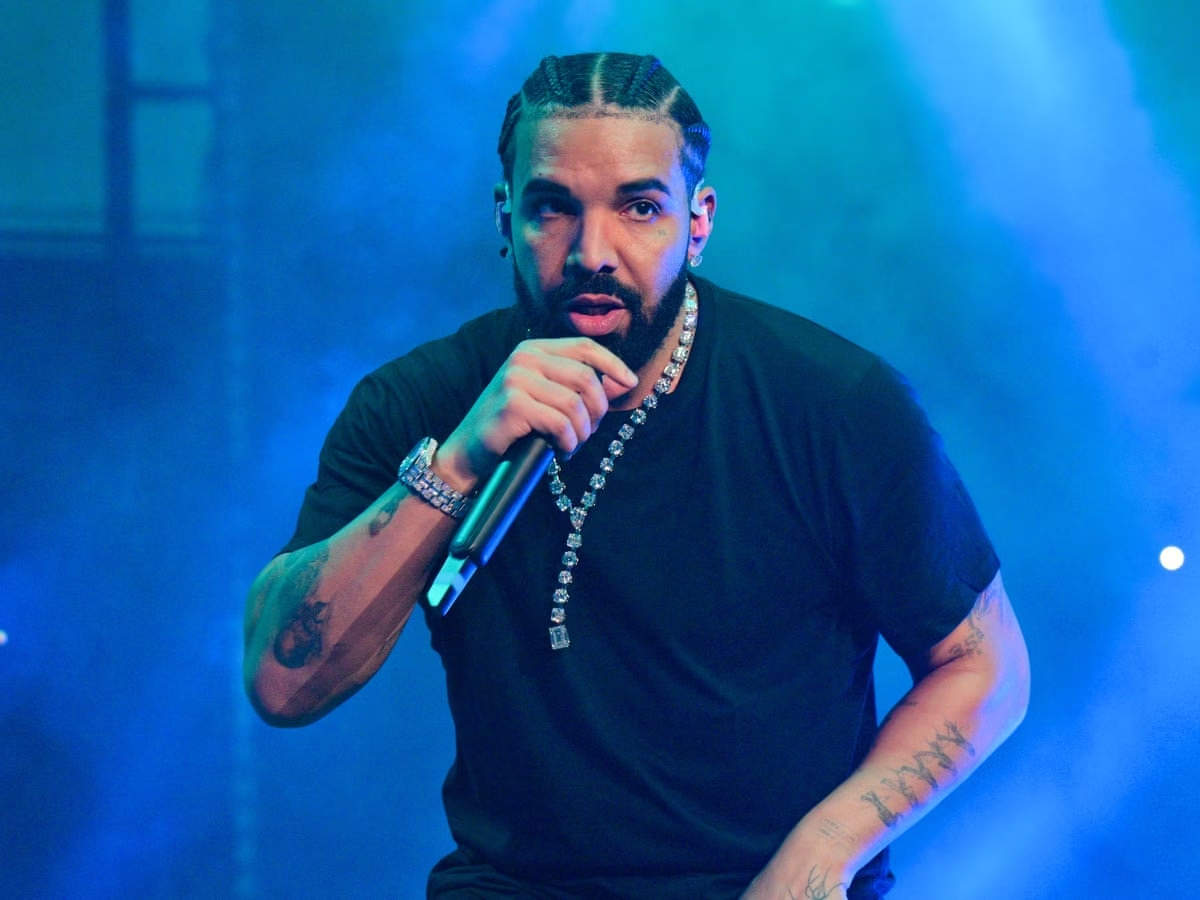
Rapper Drake, streamer Adin Ross, and content creator George Nguyen have been sued in a class action lawsuit alleging they promoted illegal gambling platform Stake.us while earning over $100 million annually, with plaintiffs claiming the proceeds funded artificial music streaming manipulation.
According to the complaint, Stake.us structured its operations to evade US gambling laws while enabling real value wagering through a dual currency system.
Court filings state that Stake.us offers nearly 2,000 casino style games and allows users to wager using Gold Coins and Stake Cash. While Gold Coins carry no cash value, Stake Cash is redeemable for cryptocurrency or digital gift cards at a one to one ratio with the US dollar, a structure plaintiffs argue constitutes real money gambling.
The mechanics described in the complaint mirror regulatory definitions of gambling outlined under Virginia law, including consideration, chance, and prize, as codified in Virginia Code § 18.2 326.2.
“This platform was intentionally designed to appear compliant while enabling prohibited wagering,” the plaintiffs state in the filing, which characterizes Stake.us as an Illegal crypto casino operating nationwide despite state level bans.
Central to the Illegal crypto casino allegations is the claim that Stake.us provided house funds to Drake, Ross, and Nguyen to stage livestreamed gambling sessions that portrayed large wagers without personal financial risk.
The complaint alleges that Drake alone was paid more than 100 million dollars annually to promote Stake.us across livestreams and social media platforms.
During these livestreams, Drake encouraged viewers to gamble on Stake.us, describing it as safe and legal while showcasing high value bets using casino provided credits.
Plaintiffs argue that these promotions violated Federal Trade Commission endorsement rules requiring disclosure of material connections, as outlined in 16 CFR Part 255.
“These endorsements were not entertainment,” the complaint states. “They were paid promotions designed to induce unlawful gambling behavior.”
The lawsuit further alleges that funds circulated through the platform’s internal tipping system were used to transfer value between defendants.
Plaintiffs claim this system was then exploited to jointly finance automated streaming manipulation, commonly referred to as botting, to inflate Drake’s music play counts across major platforms.
Artificially boosting streams can distort royalty calculations and recommendation algorithms, a practice that violates platform policies such as Spotify’s prohibition on artificial streaming activity detailed in its Platform Rules. Plaintiffs argue that the Illegal crypto casino promotions directly funded this alleged manipulation.
Stake.us and its parent company Easygo have publicly denied the Illegal crypto casino allegations, asserting that the platform operates lawfully as a social casino.
The company maintains that Stake Cash functions as a promotional reward rather than a gambling currency and claims that no tipping feature exists in the form described by plaintiffs.
However, plaintiffs counter that redemption mechanics alone establish monetary value, citing Internal Revenue Service guidance on convertible virtual currency as property with real world value under IRS Notice 2014 21.
Adin Ross has also dismissed similar allegations in prior litigation, but the current lawsuit escalates claims by seeking five million dollars in damages and court ordered prohibitions on further promotion.
Ridley and Hines allege that Drake’s endorsements influenced their decision to gamble on Stake.us, leading to substantial financial losses and increased exposure to gambling addiction.
The complaint emphasizes that the Illegal crypto casino model thrives on celebrity trust, algorithmic amplification, and regulatory gray areas. It argues that without enforcement, similar platforms will continue exploiting digital currencies and influencer marketing to bypass gambling laws.
As scrutiny of crypto gambling intensifies, the outcome of this case could shape how regulators address celebrity promotions, virtual currencies, and online wagering structures.
For policy makers, the lawsuit raises questions about enforcement consistency. For investors, it highlights mounting legal risks surrounding platforms operating at the edge of US gambling law.
If upheld, the case may set a precedent limiting how crypto based casinos operate and how public figures engage with them, redefining accountability in the digital asset economy.



Copyright © 2025 - The Bit Gazette.