

- Trending
- Comments
- Latest

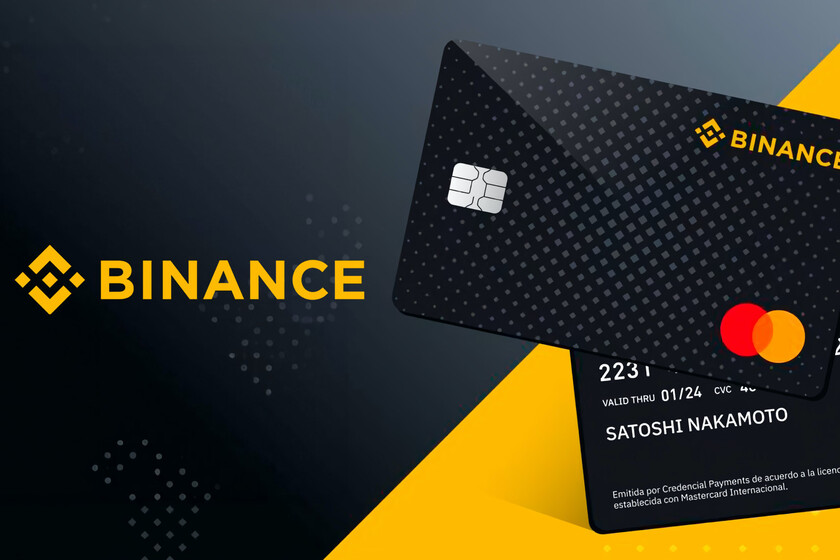
Binance has launched its Mastercard prepaid card across select Commonwealth of Independent States countries including Armenia, Uzbekistan, and Kazakhstan, extending a crypto-to-fiat payment network already covering much of Europe into some of the region’s fastest-growing digital asset markets, the company confirmed Friday.
Mastercard cryptocard services are now available to verified users in select CIS jurisdictions, including Armenia, according to Binance marketing lead Anka Tsintsadze, who confirmed the rollout on Friday.
The move positions the Mastercard crypto card as a key payment bridge between digital assets and everyday commerce in emerging crypto markets.
The Binance-linked Mastercard crypto card enables users to convert bitcoin, ethereum, stablecoins, and over 100 supported tokens instantly into local fiat currency at checkout. Payments can be made seamlessly at any merchant that accepts Mastercard.
“Pay in crypto. Merchants get fiat or crypto. Best way to push crypto payments and adoption,” Binance co-founder Changpeng Zhao wrote on X, praising the Mastercard crypto card expansion into the CIS region.
The Mastercard crypto card rollout significantly extends Binance’s payment footprint beyond the European Economic Area.
Before entering the CIS, Binance had already introduced its card program across multiple European countries, including the UK, Germany, France, Italy, Spain, and Sweden.
Now, the Mastercard crypto card strengthens Binance’s presence in markets such as Uzbekistan and Kazakhstan.
In Uzbekistan, users can fund accounts in Uzbek som through the Humo card network, while Kazakhstan-based customers can top up balances in tenge via local banks and Mastercard channels.
The Mastercard cryptocard supports both in-store and online transactions, ensuring flexibility for everyday purchases.
This strategic expansion signals Binance’s continued focus on driving real-world utility for crypto assets.
To sweeten adoption, Binance is offering up to 2% cashback on qualifying Mastercard crypto card purchases.
The cashback is capped at $22.59 per month, adding a tangible incentive for users who frequently transact using digital assets.
Importantly, Binance does not charge administrative, processing, or annual fees for the Mastercard crypto card. However, third-party charges may still apply depending on payment channels and local banking partners.
To obtain the Mastercard cryptocard, applicants must already hold an account with a card-issuing provider, such as a crypto exchange or a digital asset-friendly bank.
Binance requires full identity verification and anti-money laundering compliance, including standard KYC checks, before approving card issuance.
Funding options include US dollars via debit or credit cards, as well as mobile payment solutions like Apple Pay and Google Pay, offering a smooth onboarding experience for new users.
The Mastercard crypto card launch coincides with Binance’s Valentine-themed promotional campaign featuring a $20,000 reward pool.
Running from February 13, 2026, to March 13, 2026 (UTC), the campaign encourages deeper ecosystem engagement.
Under the “Bring a Plus One” initiative, users earn rewards for referring new participants. The “Love at First Top-Up” challenge incentivizes wallet deposits via Binance P2P, fiat channels, card payments, or the Buy Crypto feature.
Rewards may reach up to $1,000 in selected tokens marked with a pink icon, including AMP, UNI, and DOT.
The Mastercard cryptocard plays a central role in this broader adoption strategy, positioning Binance to convert seasonal marketing buzz into long-term payment behavior.
While the Mastercard crypto card drives mainstream utility, US authorities are warning the public about Valentine’s Day cryptocurrency scams.
The United States Attorney’s Office for the Northern District of Ohio issued a public alert highlighting the spike in romance-related crypto fraud around February 14.
US Attorney David Toepfer cautioned citizens about fraudsters cultivating long-term online relationships before soliciting crypto payments.
“Romance scammers are after your money, not your heart. They prey on trust and emotion, often targeting elderly Americans and vulnerable individuals.
We encourage everyone to slow down, verify identities, and never send money to someone you have not met in person,” Toepfer warned.
Red flags include moving conversations from dating apps to WhatsApp or Telegram, early professions of love, refusal to meet physically, and demands for payment via cryptocurrency, gift cards, or wire transfers.
The Mastercard crypto card expansion into the CIS underscores a broader industry pivot toward payment integration rather than speculative trading alone.
By enabling instant crypto-to-fiat conversion at checkout, Binance reduces volatility concerns for merchants while preserving digital asset utility for users.
As regulatory scrutiny intensifies globally, compliance-driven offerings like the Mastercard crypto card — backed by identity verification and AML safeguards — could define the next phase of crypto adoption.
With cashback incentives, zero Binance fees, and cross-border functionality, the Mastercard crypto card represents a powerful push toward everyday crypto usability in emerging markets.
For Binance, the message is clear: crypto payments are no longer experimental — they are becoming operational infrastructure.



Copyright © 2025 - The Bit Gazette.