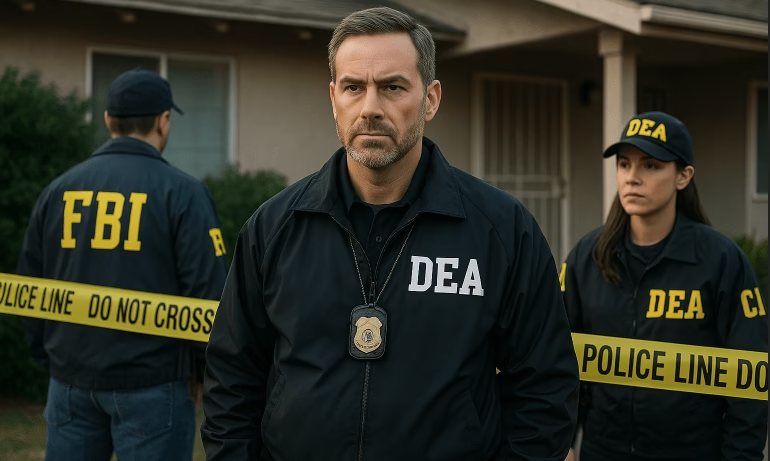
DEA, FBI dismantle crypto-linked Sinaloa drug cartel, seize $10M in digital assets
The crackdown highlights growing law enforcement focus on cryptocurrency’s role in narcotics trafficking as authorities confiscate record drug hauls nationwide.
U.S. authorities have disrupted the crypto-linked Sinaloa drug cartel’s financial networks, seizing over $10 million in cryptocurrency alongside record quantities of methamphetamine, fentanyl, and cocaine.
The Drug Enforcement Administration (DEA) and Federal Bureau of Investigation (FBI) targeted digital wallets tied to cartel operatives in Miami, Florida, as part of a broader offensive against one of Mexico’s most notorious trafficking groups.
“This isn’t just about drugs—it’s about following the money,” said DEA Acting Administrator Robert Murphy. “By hitting their crypto reserves, we’re cutting off the lifeblood of these criminal enterprises.”
The crypto-linked Sinaloa drug cartel, designated a global terrorist organization by the U.S., has long relied on cryptocurrency to launder profits from its sprawling narcotics empire. Recent court filings reveal cartel operatives used privacy coins and cross-chain swaps to obscure transactions, a tactic now under scrutiny by international agencies.
Nationwide raids uncover drugs hidden in produce, vehicles
From cucumbers to conversion labs, the DEA’s raids exposed audacious smuggling methods. In Georgia, 700 pounds of methamphetamine were found concealed in a truckload of cucumbers, while Texas authorities intercepted a vehicle carrying 1,700 pounds of meth worth $15 million, according to the US Department of Justice.
“The sheer volume of drugs we’re seizing shows how brazen these networks have become,” said Attorney General Pamela Bondi. “But we’re turning the tide—every arrest and seizure weakens their grip.”
Difference between authentic oxycodone and fake oxycodone. Source: DOJ
California: A meth lab dismantled with 240 pounds of crystal meth seized.
Key busts include:
South Carolina: 156 pounds of fentanyl and 44 pounds of methamphetamine.
California: A meth lab dismantled with 240 pounds of crystal meth seized.
Crypto laundering surges as crypto-linked Sinaloa drug cartel, others adapt
Blockchain analytics firm Elliptic reports illicit crypto transactions via cross-chain swaps have tripled since 2023, reaching $21.8 billion in 2025. The crypto-linked Sinaloa drug cartel and other criminal groups increasingly exploit decentralized platforms to evade detection.
“Cross-chain tools are the new frontier for money laundering,” an Elliptic analyst told Cointelegraph. “While inefficient, they’re effective enough to complicate investigations.”
North Korean cybercriminals account for 12% of high-risk crypto flows, but cartels remain dominant in narcotics-linked transactions. The DOJ warns that without stricter crypto regulations, traffickers will continue exploiting blockchain anonymity.
Legal fallout for cartel leadership
The crackdown coincides with the guilty plea of Ovidio Guzmán López, son of jailed kingpin “El Chapo,” in a Chicago federal court. Prosecutors tie his operations directly to the crypto-linked Sinaloa drug cartel’s U.S. distribution networks.
“These aren’t just drug dealers—they’re financiers, tech-savvy and ruthless,” said a senior FBI agent involved in the operation.
Olivia Jackson is a US-based cryptocurrency writer and market analyst with a passion for decoding the complexities of blockchain technology and digital assets. With over five years of experience covering the crypto space, she specializes in breaking down market trends, regulatory developments, and emerging Web3 innovations for both retail and institutional audiences.
Her work has appeared in leading finance and tech publications, including CoinDesk, Decrypt, and The Block, where she provides data-driven insights on Bitcoin, DeFi, and the evolving regulatory landscape. Olivia is particularly interested in the intersection of traditional finance and decentralized systems, often exploring how macroeconomic shifts impact crypto markets.