


- Trending
- Comments
- Latest

Bitcoin fell below $70,000 on Thursday for the first time in over three months, hitting a 15-month low of $69,100 during Asian trading hours as traders pointed to signs of coordinated large-scale selling.
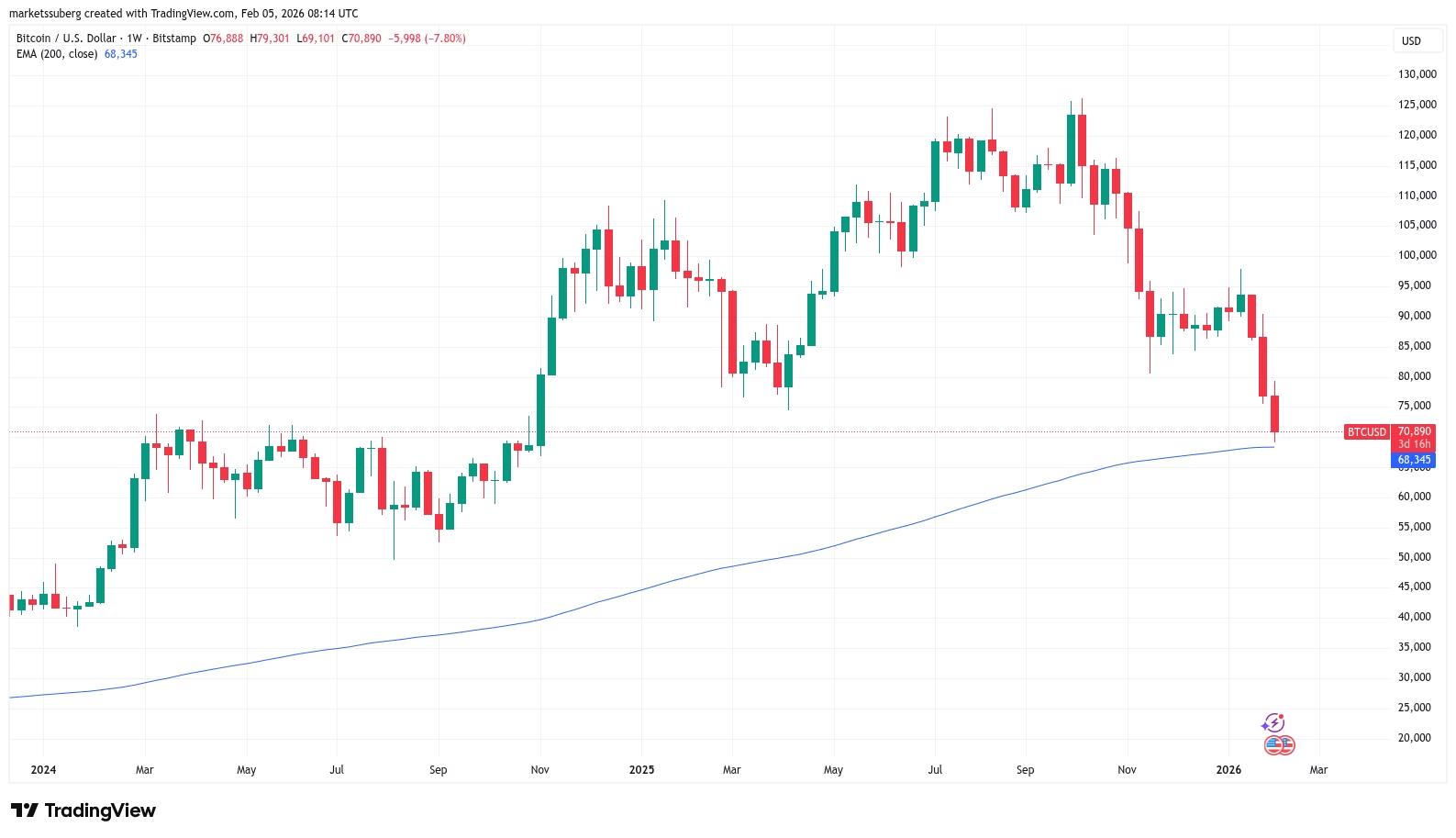
The move triggered approximately $130 million in long liquidations within four hours and pushed Bitcoin toward its 200-week exponential moving average—a historically significant support level that has marked major market bottoms in previous cycles.
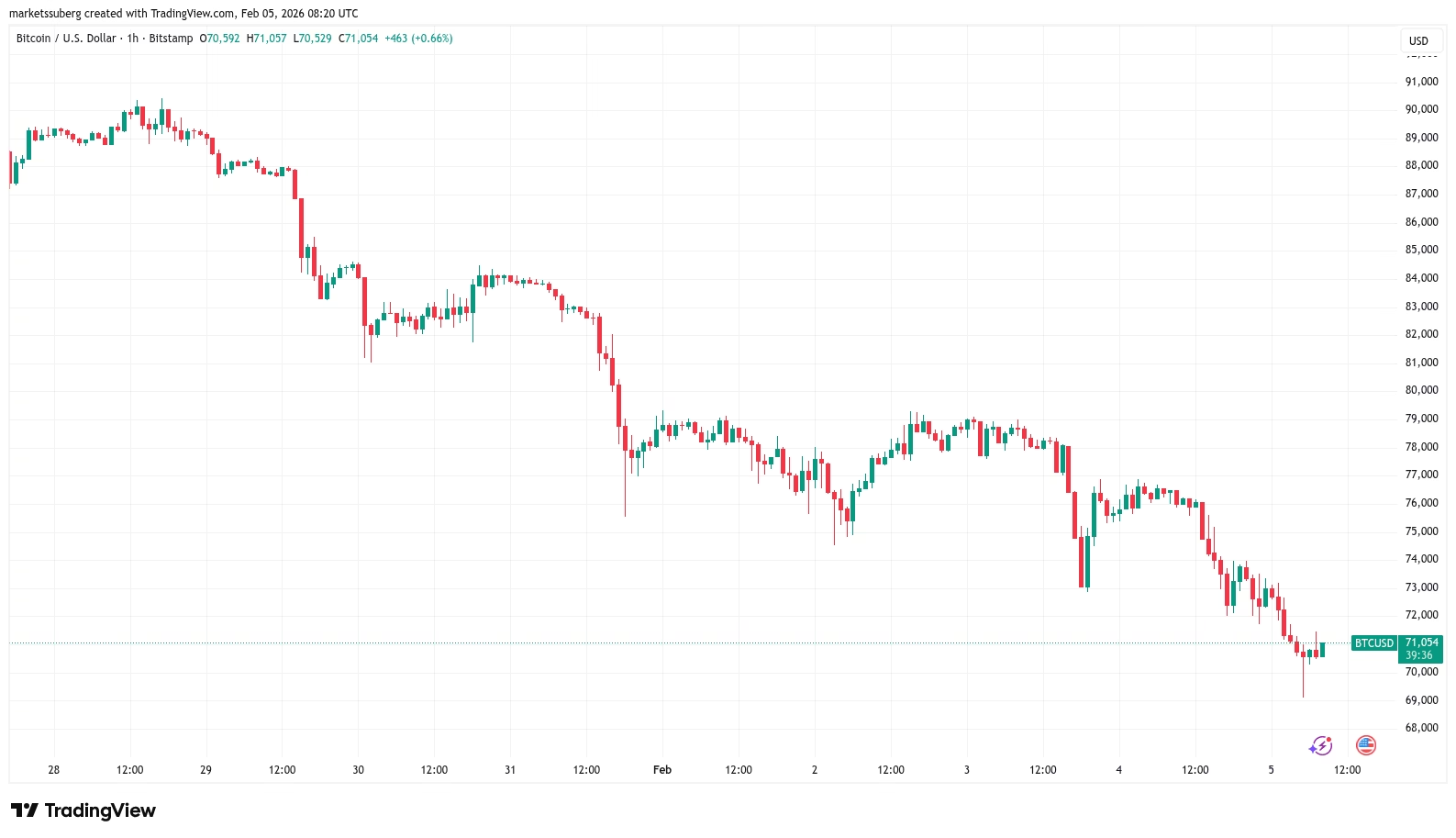
The sudden decline triggered approximately $130 million in crypto long liquidations within a four-hour window, according to data from CoinGlass, underscoring the speed and severity of the latest leg of the Bitcoin price crash.
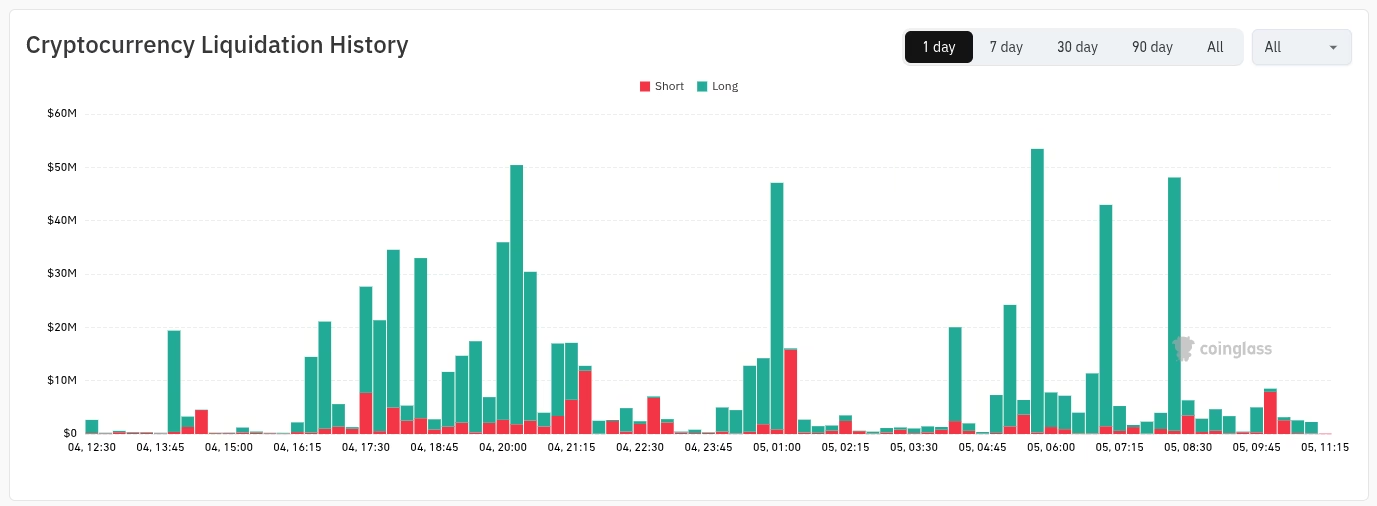
Market participants pointed to heavy sell-side activity coinciding with thin liquidity during Asian hours as a key driver of the move.
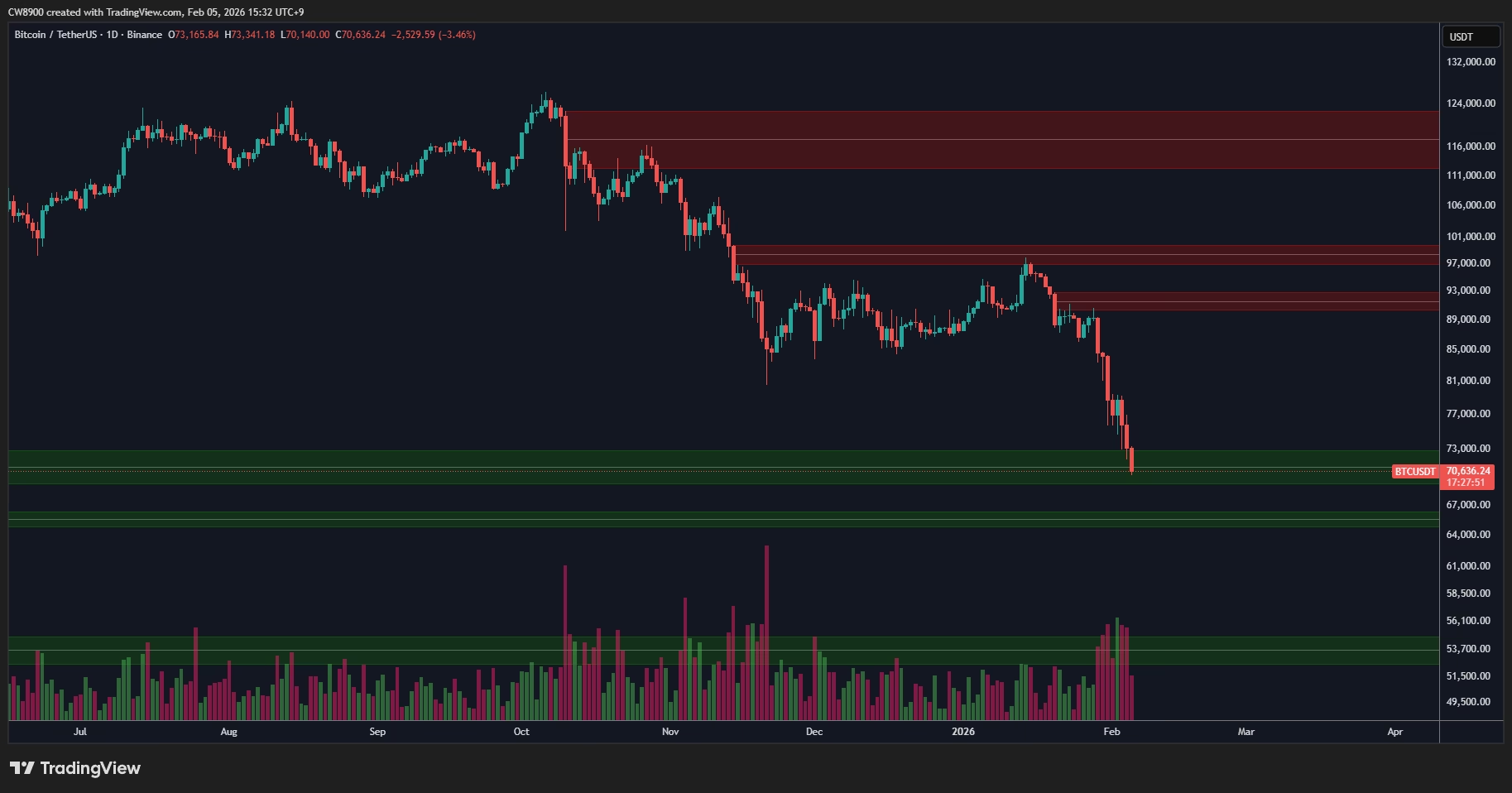
The latest phase of the Bitcoin price crash placed BTC firmly inside a critical technical support zone watched closely by traders.
Price action around the $69,000 level has drawn particular attention, as a decisive break below that threshold would expose Bitcoin to deeper downside risk.
“$BTC has entered a key support zone,” — CW, trader, in a post on X.
“If it fails to support the 69k level, another significant decline could occur.”
Below $69,000 lies Bitcoin’s 200-week exponential moving average (EMA), a long-term indicator historically associated with major market bottoms.
Several traders have flagged the area as a last line of defense before a potential slide toward lower psychological levels, including $60,000 and, in more bearish scenarios, the $50,000 region.
The technical deterioration comes as broader risk assets remain volatile, adding macro pressure to the Bitcoin price crash. Traders noted that momentum indicators continue to favor sellers, suggesting that any short-term rebounds could face stiff resistance.
Beyond technicals, suspicions of deliberate large-scale selling have gained traction as the Bitcoin price crash unfolded.
Crypto entrepreneur Alistair Milne echoed comments from veteran trader Peter Brandt, who characterized the sell-off as “campaign selling” rather than organic market weakness.
“Agree with this take. Someone enormous is unloading to a deadline,” — Alistair Milne, crypto entrepreneur, on X.
Milne compared the current selling pressure to past episodes where government-held Bitcoin entered the market via over-the-counter (OTC) desks, referencing instances where large holders distributed coins in a structured manner to avoid public exchange impact.
The implication, according to analysts, is that a single or small group of large entities may be steadily offloading Bitcoin regardless of price, intensifying the Bitcoin price crash.
Such behavior can overwhelm spot demand, particularly during periods of reduced liquidity, and suppress recovery attempts.
Milne added that the selling appeared to have begun in mid-January, aligning with a prolonged period of downside pressure that has weighed on market sentiment.
Further evidence supporting the Bitcoin price crash narrative emerged from on-chain and exchange-specific indicators.
The Coinbase Premium, which measures the price difference between Bitcoin on Coinbase and Binance, turned sharply negative, highlighting subdued demand from U.S.-based investors.
“The Coinbase Premium is the lowest it has been in over a year. It’s even lower than post liberation day tariffs,” — Nic Puckrin, CEO, Coin Bureau.
Puckrin noted that persistent negative readings typically indicate sustained selling pressure from large holders, particularly during U.S. trading hours.
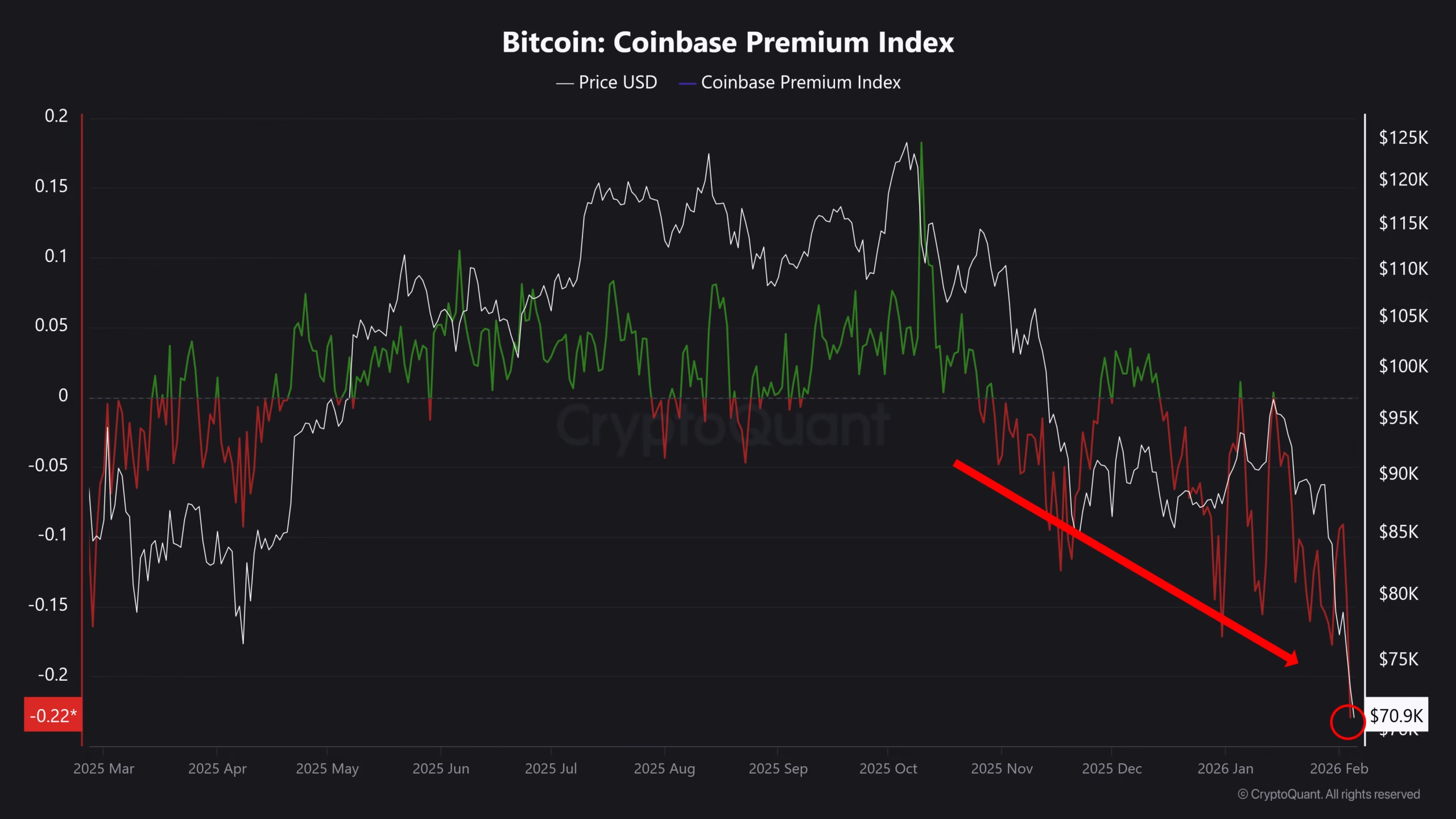
He added that relief from the Bitcoin price crash would likely require a reversal in the premium, signaling renewed spot demand from American institutions and high-net-worth investors.
Charles Edwards, founder of Capriole Investments, also weighed in, observing that long-term Bitcoin holders appeared to be acting as if prices were near historical highs rather than deep into a drawdown.
Edwards’ assessment suggests that some “OG” whales may be using rallies to distribute holdings, reinforcing the downward momentum of the Bitcoin price crash.

As Bitcoin struggles to stabilize, traders are watching closely for signs of seller exhaustion.
Until then, the Bitcoin price crash remains a defining theme for markets navigating heightened volatility, fragile sentiment, and unanswered questions about who is driving the sell-off and how much supply remains to be absorbed.



Copyright © 2025 - The Bit Gazette.