

- Trending
- Comments
- Latest

South Korea is preparing a sweeping regulatory offensive against crypto market abuse, placing whale price manipulation at the center of its next major enforcement push.
The country’s Financial Supervisory Service (FSS) confirmed plans to investigate high-risk trading behaviors across the virtual asset sector, including whale price manipulation, API-driven spoofing, and coordinated misinformation campaigns. The initiative forms a core pillar of the watchdog’s 2026 enforcement roadmap, according to a Feb. 9 report from Yonhap News Agency.
The move signals one of the most aggressive regulatory responses yet from a major Asian market as authorities seek to restore trust in digital asset trading following a string of market disruptions and exchange-related controversies.
Under the plan, the FSS will deploy artificial intelligence systems capable of analyzing transaction data at the second- and minute-level to identify suspicious patterns associated with whale price manipulation. These tools are designed to automatically flag abnormal trading intervals, clustered wallet behavior, and coordinated order placement indicative of price distortion.
“Advanced analytics will allow regulators to move from reactive enforcement to proactive detection,” said a senior FSS official cited by Yonhap, noting that traditional monitoring tools struggle to keep pace with high-frequency crypto markets.
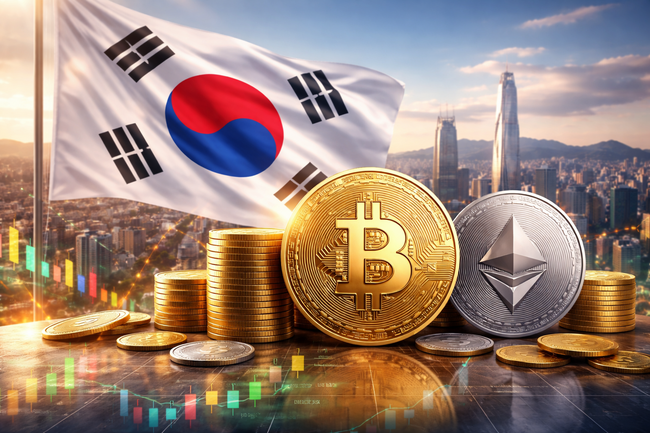
The regulator is also expanding its scope to include manipulation conducted through automated API orders, a method increasingly used to execute rapid-fire trades that exaggerate volume or fabricate market demand. These practices are frequently linked to whale price manipulation, especially during periods of low liquidity.
Beyond standard spoofing, the FSS will examine complex schemes that have become familiar to seasoned crypto traders. These include the so-called “net cage” tactic, where deposits and withdrawals for specific tokens are temporarily restricted to trap traders, and the “horse racing” strategy, which involves aggressive bulk buying to trigger a sudden price surge.
Both tactics, regulators say, are often coordinated by large holders seeking to profit from whale price manipulation before retail investors can react.
The watchdog will also investigate cases where social media platforms are used to disseminate misleading information, amplify hype cycles, or coordinate buying pressure. According to the FSS, these campaigns frequently work in tandem with whale price manipulation to manufacture artificial rallies.
The enforcement push coincides with preparations for the second phase of South Korea’s Digital Asset Basic Act, a legislative framework aimed at formalizing crypto market oversight.
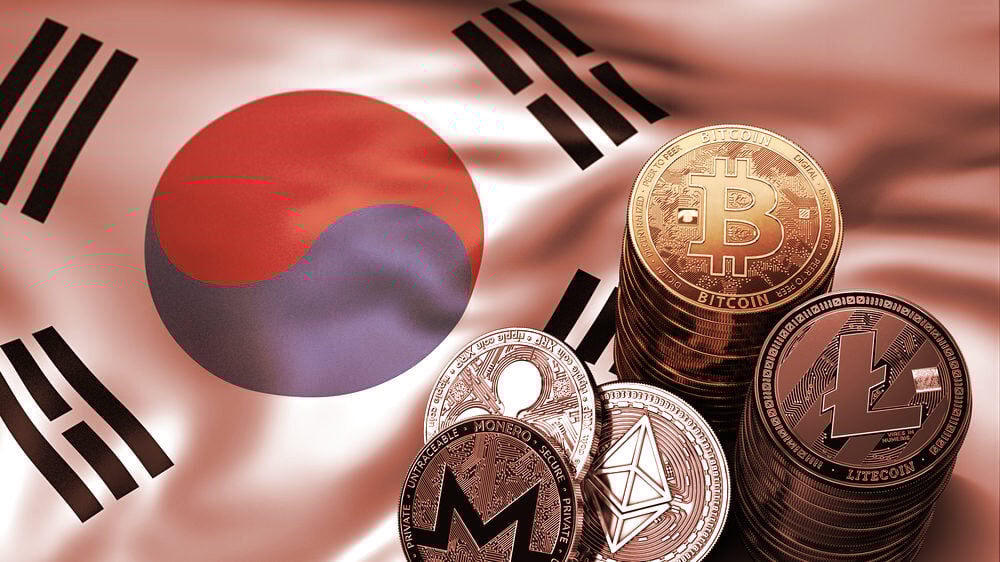
A newly established preparatory team will oversee the rollout of mandator6y disclosure standards for token issuance, trading support, and exchange listings. The team will also draft licensing guidelines for crypto exchanges and stablecoin issuers, tightening entry requirements for market participants.
Legal experts say these measures could significantly limit opportunities for whale price manipulation by increasing transparency around token supply, insider holdings, and trading incentives.
“Disclosure is the enemy of manipulation,” said Kim Min-seok, a fintech policy researcher at Korea University. “Once large holders are visible and accountable, it becomes much harder to distort markets without detection.”
In parallel, the FSS plans to establish a special judicial police consultative body focused on financial crimes that harm consumers. The move aligns with President Lee Jae-myung’s broader pledge to crack down on abusive financial practices, including crypto-related fraud tied to whale price manipulation.
A separate enforcement unit will concentrate on IT risks across the financial sector, introducing new penalties for security lapses, system vulnerabilities, and poor asset management. Firms that fail to meet IT governance standards could face on-site inspections and audits, raising compliance costs for exchanges already under pressure.
The announcement follows fresh scrutiny of South Korea’s crypto infrastructure after Bithumb, the country’s second-largest exchange, mistakenly distributed roughly 2,000 Bitcoin to users due to an internal error.
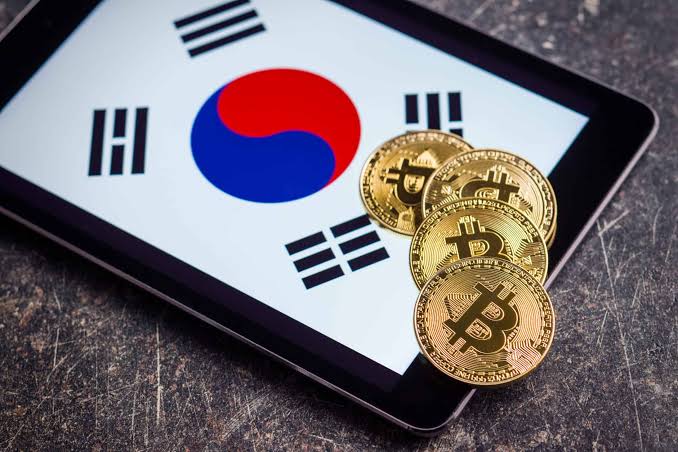 The incident triggered a brief price dislocation, with Bitcoin trading more than 10% below global market rates on the platform. While the event was not linked to whale price manipulation, regulators say it underscores the fragility of market confidence and the need for stronger safeguards.
South Korea’s approach reflects a broader global shift toward data-driven crypto regulation. By explicitly naming whale price manipulation as a priority risk, the FSS is sending a clear message to large traders and exchanges operating within its jurisdiction.
Analysts say the use of AI monitoring could set a precedent for other regulators grappling with similar challenges.
“Crypto markets are no longer small enough to self-police,” said Alex Kim, head of digital assets research at a Seoul-based investment firm. “Targeting whale price manipulation is about protecting market integrity, not suppressing innovation.”
As enforcement tightens and transparency requirements expand, South Korea appears poised to become one of the most closely monitored crypto markets globally—one where whale price manipulation may soon carry far higher risks than rewards.



Copyright © 2025 - The Bit Gazette.