




- Trending
- Comments
- Latest

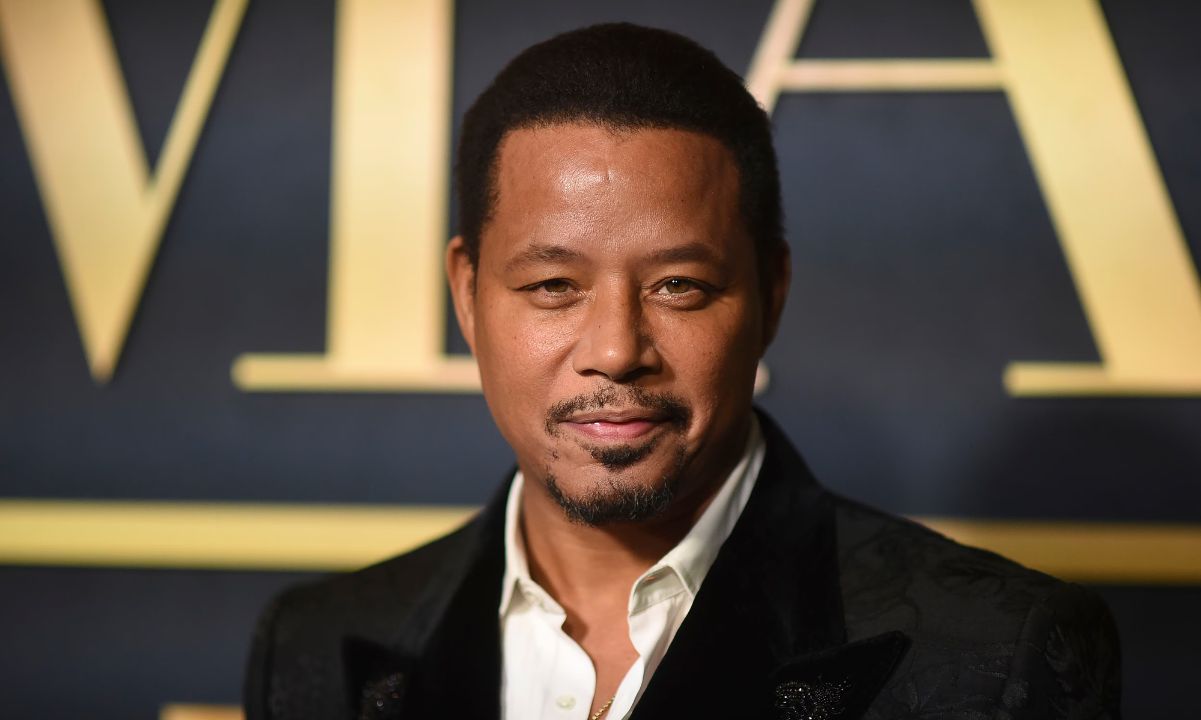
Actor Terrence Howard declared on the PBD Podcast on March 9, 2026, that Bitcoin ‘is going to die,’ citing concerns about volatility and geopolitical uncertainty.
The Oscar-nominated actor joins a documented list of 500 Bitcoin death predictions since the cryptocurrency’s 2009 launch, even as institutional investment in Bitcoin ETFs and corporate treasury adoption continue to surge.
During the interview, Howard spoke bluntly about his stance on the asset.
“Bitcoin is going to die, I don’t mess with it.” — Terrence Howard, Actor
His remarks quickly circulated online, reviving broader discussions about bitcoin skepticism among celebrities and commentators outside the cryptocurrency industry.
Howard did not provide a detailed technical critique of the network but suggested that broader economic uncertainty and perceived volatility were factors behind his skepticism.
Howard elaborated on his concerns by describing a recent investment conversation that shaped his views. According to the actor, a friend approached him with a proposal that would allegedly generate significant returns if he invested tens of millions of dollars.
However, he did not specify how the opportunity was connected to bitcoin or the cryptocurrency market.
“Bitcoin is still based on fiat, and because the dollar is decreasing in its value, because of the uncertainty of war around. Nobody wants their money in something that can be wiped out with the push of a button somewhere.” — Terrence Howard, Actor
The comments illustrate a broader trend of bitcoin skepticism, particularly among individuals unfamiliar with the technology underpinning the cryptocurrency. Critics frequently cite concerns about volatility, geopolitical uncertainty, and the relationship between bitcoin pricing and traditional fiat currencies.
However, some analysts note that Howard’s claims about bitcoin being “based on fiat” are technically inaccurate. While bitcoin is commonly priced in government-issued currencies such as the U.S. dollar, the digital asset operates on a decentralized blockchain network independent of any central authority.
The resurgence of bitcoin skepticism following Howard’s remarks underscores how celebrity opinions can amplify debates about emerging financial technologies, even when those individuals are not directly involved in the sector.
Howard’s prediction is far from the first instance of bitcoin skepticism predicting the cryptocurrency’s demise. Since its creation in 2009, bitcoin has repeatedly been declared “dead” by critics, analysts, and public figures.
Documented records suggest that the asset has been pronounced dead nearly 500 times during its existence. Despite these recurring predictions, the network has continued to function and expand its user base.
Supporters often point to the cryptocurrency’s long-term performance as evidence that bitcoin skepticism has historically underestimated the resilience of the technology. Even after significant market downturns, bitcoin has repeatedly recovered and reached new milestones.
At present, the asset trades roughly 50% below the all-time high recorded in October of the previous year. Nevertheless, the current price level still sits close to earlier historical peaks, reflecting substantial gains over a longer time horizon.
Market analysts frequently describe bitcoin’s price movements as cyclical, with bullish and bearish phases occurring across multi-year periods. These cycles have often fueled periodic waves of bitcoin skepticism, particularly during market corrections.
Despite persistent bitcoin skepticism, adoption indicators suggest that interest in the cryptocurrency remains significant. Institutional investment products tied to bitcoin, including exchange-traded funds (ETFs), have attracted billions of dollars in inflows in recent years.
Additionally, some corporations have adopted bitcoin as part of their treasury strategies, while a small number of governments have explored or implemented bitcoin-related initiatives.
These developments contrast with claims that “nobody wants their money” in bitcoin. Market activity suggests that both retail and institutional participants continue to view the asset as a viable component of the broader financial ecosystem.
Still, bitcoin skepticism remains an influential force in shaping public debate about digital assets. Critics argue that volatility, regulatory uncertainty, and macroeconomic factors continue to present risks for investors.
Howard’s comments therefore fit into a broader narrative: high-profile individuals periodically reignite bitcoin skepticism, while the cryptocurrency community counters with data on adoption, market participation, and long-term performance.
For now, the discussion sparked by Howard’s remarks serves as another chapter in the ongoing global debate over the future of bitcoin.



Copyright © 2025 - The Bit Gazette.