







- Trending
- Comments
- Latest

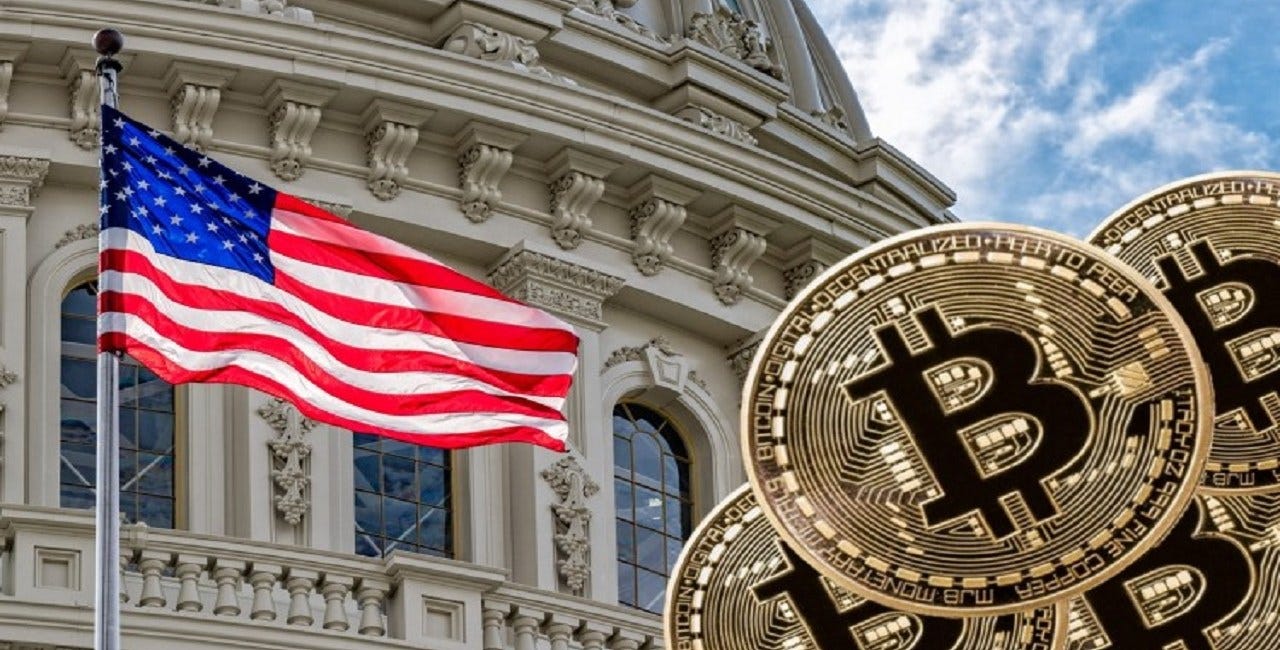
For years, crypto positioned itself as an alternative to the traditional financial system which is a parallel infrastructure designed to operate without banks, intermediaries, or centralized control.
But that separation is beginning to collapse.
Wall Street is no longer watching from the sidelines. It is actively working to bring crypto inside the system by building what could become the first federally recognized crypto bank. This is not about resisting disruption as it is about absorbing it.
If successful, this move would represent a turning point: crypto would no longer exist outside traditional finance. It would become part of it.
A federal crypto bank is not just a traditional bank offering crypto services. It represents a deeper integration between digital assets and the regulated financial system.
Such an institution would likely:
In essence, it would bring crypto into the same regulatory and operational framework as traditional banking.
The motivation behind this shift is both strategic and defensive.
1. Institutional Demand Is Growing
Large investors want exposure to crypto but within regulated, familiar structures.
2. Regulatory Clarity Is Emerging
As U.S. frameworks take shape, the risk of entering the space is decreasing for traditional institutions.
3. Control Over Financial Infrastructure
By building crypto capabilities in-house, Wall Street can maintain its role as the primary gateway to financial services.
This is not just about participation. It is about ownership of the next financial layer.
Crypto was originally designed to bypass banks. But instead of being replaced, banks are adapting.
This creates a shift in narrative:
By integrating digital assets into federally regulated institutions, Wall Street effectively domesticates crypto turning a disruptive force into a controlled component of the existing system.
Regulation, often seen as a barrier, becomes an advantage in this context.
A federally recognized crypto bank would:
Meanwhile, unregulated or offshore platforms face increasing scrutiny and limitations.
This creates a competitive divide where compliance becomes a moat.
This integration offers clear benefits:
But it also introduces trade-offs:
Crypto becomes safer but also more structured.
If crypto access is increasingly routed through regulated banks, a new form of centralization emerges.
Instead of eliminating intermediaries, the system replaces them with more powerful ones:
This raises concerns about:
The architecture may change, but power could remain concentrated.
The term “checkmate” captures the strategic nature of this move.
By bringing crypto into the banking system, Wall Street:
It does not need to defeat crypto. It simply needs to integrate it.
And in doing so, it reshapes the game entirely.
The likely outcome is not a fully decentralized system or a fully traditional one.
Instead, a hybrid model emerges:
This system blends innovation with control speed with oversight.
If crypto ultimately becomes part of the system it was designed to replace, was the revolution ever about removing intermediaries or just upgrading them?
Because if Wall Street controls the gateway to crypto, then the future of finance may not be decentralized…
…it may simply be re-centralized in a more efficient form.



Copyright © 2025 - The Bit Gazette.

