

- Trending
- Comments
- Latest

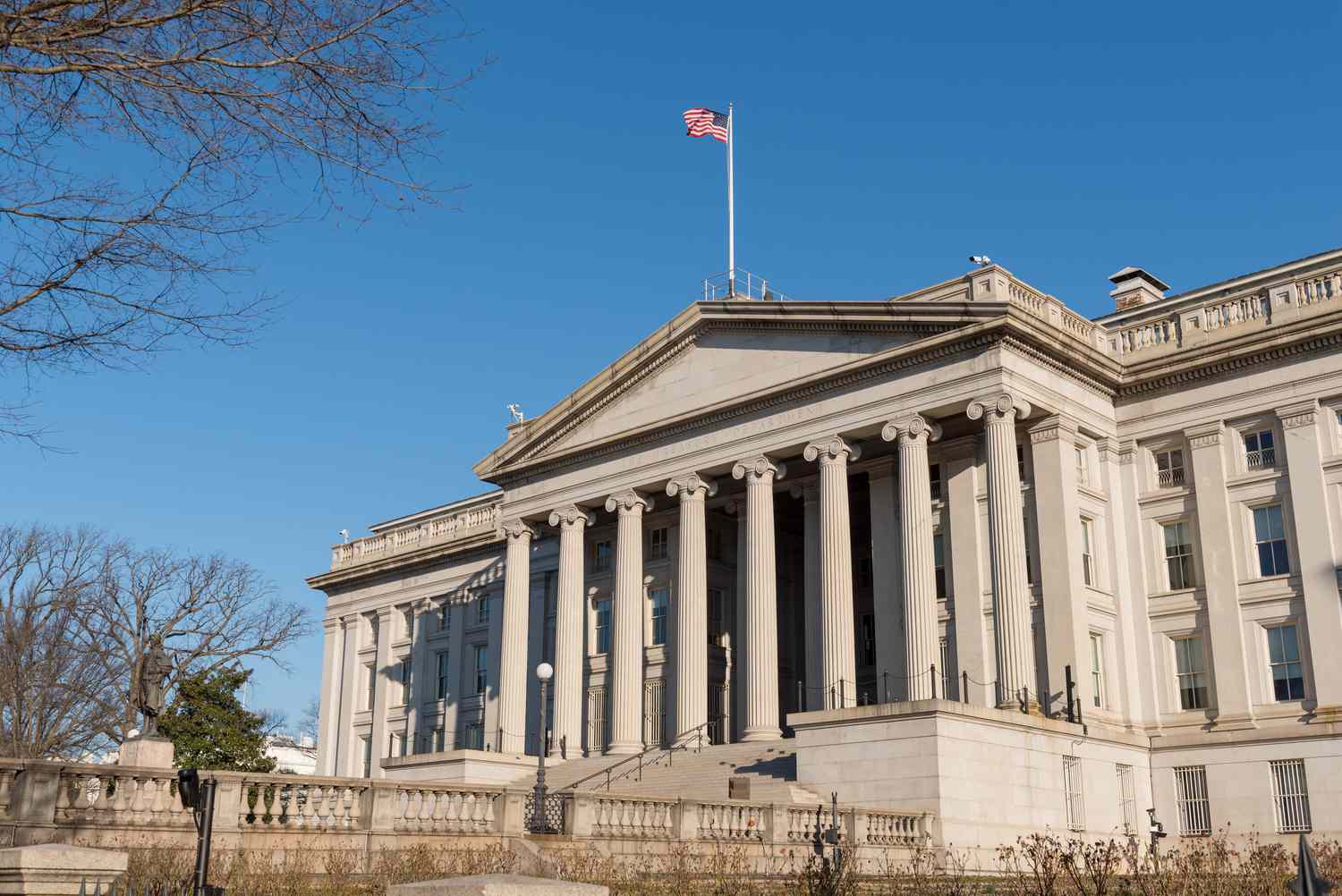
The US Treasury Department sanctioned more than a dozen individuals and businesses on May 20, 2026, accusing them of laundering fentanyl proceeds through front companies, cash-smuggling routes, and cryptocurrency channels on behalf of Mexico’s Sinaloa Cartel.
According to the Treasury Department, the Sinaloa Cartel Network used a combination of front businesses, cash-smuggling routes, and cryptocurrency channels to move proceeds generated from fentanyl sales into the United States.
The sanctions freeze any US-based assets linked to the accused individuals and prohibit American citizens or businesses from engaging with them.
“As President Trump has made clear, this Administration will not allow narco-terrorists to flood our borders with poison,” — Scott Bessent, US Treasury Secretary.
The latest action against the Sinaloa Cartel Network focuses on two alleged criminal structures identified by the Treasury’s Office of Foreign Assets Control (OFAC). One network was reportedly led by Armando de Jesus Ojeda Aviles, whom investigators described as a major money launderer connected to the cartel’s “Los Chapitos” faction. Another was allegedly operated by fugitive trafficker Jesus Gonzalez Penuelas.
US authorities claim the Sinaloa Cartel Network converted large sums of drug cash into cryptocurrency before routing the funds through shell companies and exchange services operating in Mexico and other jurisdictions. Investigators say the structure helped conceal the origins of fentanyl profits while enabling cross-border transactions.
“The Sinaloa Cartel is responsible for a significant portion of the illicit fentanyl trafficked into the United States,” — U.S. Department of the Treasury in its official sanctions announcement.
Among the sanctioned entities were a restaurant in Chihuahua known as Gorditas Chiwas and a private security company accused of facilitating financial operations tied to the Sinaloa Cartel Network.
The expanding investigation into the Sinaloa Cartel Network has also increased political tensions between the United States and Mexico. In recent weeks, US prosecutors unsealed indictments accusing several current and former Mexican officials of collaborating with cartel-linked operations in exchange for bribes and political support.
Mexican authorities responded by freezing bank accounts connected to some of the accused officials while insisting that domestic investigations would follow legal procedures. President Claudia Sheinbaum publicly rejected suggestions that her administration would shield individuals involved in corruption or organized crime.
“If there isn’t clear evidence, it is obvious that the objective of these indictments by the Department of Justice is political,” — Claudia Sheinbaum during a press conference in Mexico City.
Analysts say the growing scrutiny surrounding the Sinaloa Cartel Network reflects Washington’s broader strategy of treating cartel activity not only as a criminal matter but increasingly as a national security threat. The US government formally designated the Sinaloa Cartel as a Foreign Terrorist Organization in 2025, significantly expanding the legal tools available to investigators and sanctions officials.
Authorities believe the Sinaloa Cartel Network has evolved far beyond conventional narcotics smuggling. Treasury officials say cartel-linked operators now rely on sophisticated international supply chains involving chemical suppliers, logistics firms, shell corporations, and digital payment systems.
In April, the Treasury Department sanctioned 23 individuals and businesses allegedly connected to precursor chemical shipments supporting the Sinaloa Cartel Network. Several entities were reportedly based in India and Latin America, highlighting the cartel’s increasingly global operations.
The crackdown also underscores mounting concerns about how organized crime groups are adapting to digital finance systems. According to investigators, the Sinaloa Cartel Network allegedly used over-the-counter crypto brokers and layered transactions to obscure the movement of funds generated by fentanyl trafficking.
While US officials insist the sanctions are designed to weaken cartel finances, experts warn that dismantling the Sinaloa Cartel Network will require sustained international cooperation, intelligence sharing, and financial enforcement across multiple jurisdictions.



Copyright © 2025 - The Bit Gazette.