

- Trending
- Comments
- Latest

The European Banking Authority and the New York State Department of Financial Services signed a memorandum of understanding on June 2, creating the first formal transatlantic framework for coordinating supervision of stablecoin issuers operating across both jurisdictions.
This recent development is enabling the exchange of supervisory information, coordination of oversight activities, and joint responses to potential market disruptions involving stablecoin issuers.
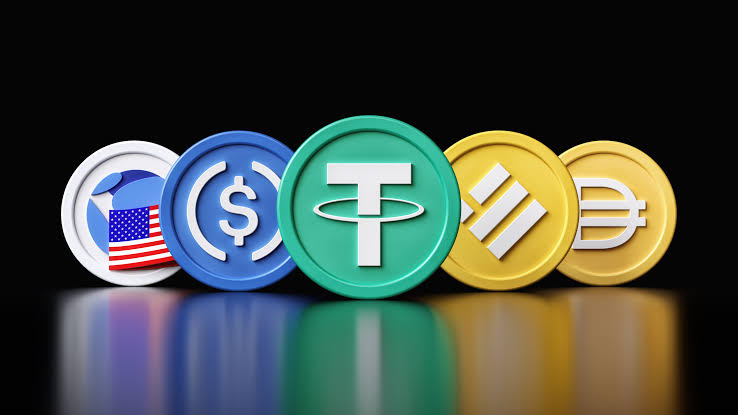
The move comes as stablecoins continue to play an increasingly important role in global crypto markets and digital payments.
Under the agreement, the EBA and NYDFS will collaborate on the supervision of entities engaged in stablecoin-related activities across their respective jurisdictions.
The framework is designed to facilitate information sharing and improve regulatory coordination, particularly as stablecoin issuers increasingly operate across multiple markets.
The EBA said the MoU establishes procedures for exchanging supervisory information and coordinating activities related to stablecoins issued in both the European Union and New York.
It also creates mechanisms for mutual assistance in ongoing supervisory work and for rapid coordination during crisis situations.
“This agreement marks an important milestone in strengthening transatlantic cooperation on stablecoin supervision and ensuring that cross-border activities are conducted to the highest standards.” François-Louis Michaud, Chair, European Banking Authority.
According to the EBA, the partnership reflects the increasingly international nature of stablecoin markets and the need for consistent regulatory standards across jurisdictions.
The agreement arrives as regulators worldwide intensify scrutiny of stablecoins, which have become a critical source of liquidity within the cryptocurrency ecosystem.
The NYDFS said the MoU is intended to enhance supervision of firms involved in stablecoin activities, identify emerging market risks, and support the overall integrity of the stablecoin sector.
The cooperation specifically focuses on stablecoin-related operations rather than other business activities that regulated entities may conduct.
“Effective financial regulation depends on strong relationships between regulators, and international collaboration is essential for the digital asset space.”
Kaitlin Asrow, Acting Superintendent, New York State Department of Financial Services.
Asrow added that the agreement reflects the agency’s commitment to cross-border supervision aimed at protecting consumers and markets while supporting responsible innovation in digital assets.
For crypto investors, the development highlights the growing emphasis regulators are placing on stablecoin resilience, transparency, and operational oversight.
Market participants operating in both Europe and the United States may face closer scrutiny as authorities strengthen information-sharing channels.
The agreement is rooted in the European Union’s Markets in Crypto-Assets Regulation (MiCA), which grants the EBA direct supervisory responsibilities over issuers of significant asset-referenced tokens and electronic money tokens.
Under Article 126 of MiCA, the EBA is permitted to establish administrative agreements with supervisory authorities outside the European Union for information-sharing purposes.
Before entering such arrangements, the EBA must determine that the partner authority’s confidentiality and professional secrecy standards are equivalent to those required under European law. The agency concluded that the NYDFS framework meets those requirements.
The MoU therefore creates one of the first formal transatlantic supervisory arrangements focused specifically on stablecoins, providing regulators with a structured process for addressing risks that may emerge across multiple jurisdictions.
While the agreement does not introduce new rules for stablecoin issuers, it underscores a broader trend toward international regulatory cooperation as digital asset markets become increasingly interconnected.
Both regulators emphasized that coordinated oversight is necessary to address market risks, maintain consumer protections, and support confidence in the rapidly evolving stablecoin ecosystem.
The framework also includes provisions for cooperation during emergencies or periods of market stress, reflecting concerns about the systemic implications of large-scale stablecoin activity.
For investors, the message is clear: stablecoin regulation is moving beyond isolated national frameworks toward coordinated international supervision.
As adoption grows and stablecoins become more integrated into global financial infrastructure, regulatory alignment between major jurisdictions is likely to play an increasingly important role in shaping the industry’s future.



Copyright © 2025 - The Bit Gazette.