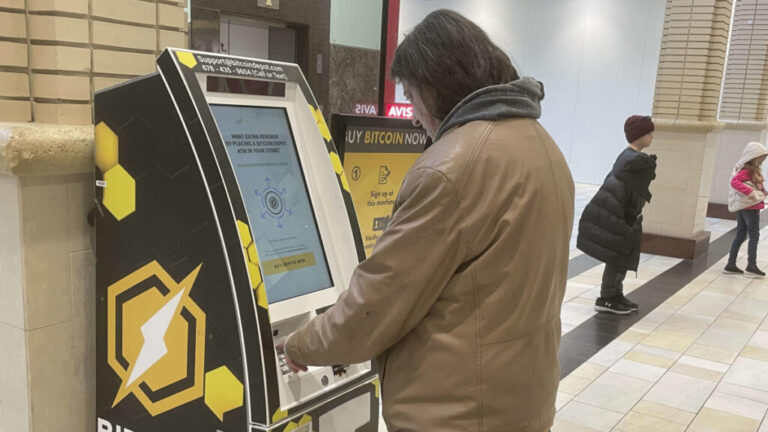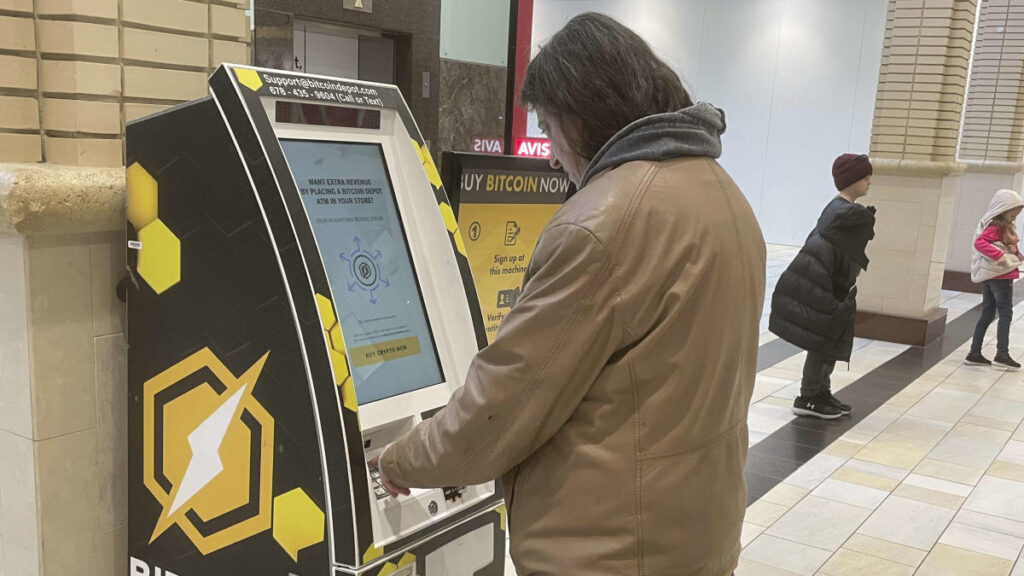
Bitcoin Depot, the largest crypto ATM operator in the United States with over 9,000 kiosks, now requires every user to show identification before completing a transaction, a sweeping policy change that arrives as the company faces active lawsuits from state attorneys general and repeated FBI warnings over fraud.
The move comes as state regulators and federal agencies increase oversight of crypto atm transactions amid rising reports of fraud and scam-related activity.
The new requirement, which applies to all users and not just new customers, is designed to strengthen safeguards and deter misuse.
Bitcoin Depot said the enhanced policy aims to add additional layers of protection to crypto atm transactions nationwide, particularly as deployment of its kiosks continues.
“By requiring identification for every transaction, the enhancement adds another layer of protection designed to help prevent account sharing, identity theft, and account takeover attempts as deployment continues,” — Bitcoin Depot, in an official statement.
Regulatory pressure reshapes crypto atm transactions
The overhaul of crypto atm transactions comes as the company faces mounting scrutiny from state authorities.
Earlier this month, Andrea Campbell, Attorney General of Massachusetts, filed a lawsuit alleging that Bitcoin Depot failed to implement adequate safeguards to prevent scams targeting residents.
In 2024, Brenna Bird, Attorney General of Iowa, similarly targeted the operator over consumer protection concerns.
The legal actions reflect broader regulatory attention on crypto atm transactions, particularly those linked to impersonation schemes and elder fraud.
Bitcoin Depot CEO Scott Buchanan said continuous verification measures would strengthen monitoring capabilities.
According to the company, the new framework allows detection of suspicious activity based on “customers, locations, or transaction amount.”
The expansion builds on an earlier policy introduced in October that required identification only for new users.
By extending verification to all crypto atm transactions, the company is signaling a more comprehensive compliance approach.
Fraud concerns drive nationwide scrutiny
Crypto atm transactions have increasingly drawn attention from law enforcement agencies.
The Federal Bureau of Investigation (FBI) has repeatedly warned that bad actors use crypto ATMs to facilitate fraud, including impersonation scams in which victims are pressured to convert cash into digital assets.
In its public advisories, the FBI has cautioned that scammers often direct victims to cryptocurrency kiosks because digital asset transfers can be difficult to trace or recover once completed. The agency has highlighted elderly individuals as particularly vulnerable targets.
Data from Coin ATM Radar shows Bitcoin Depot operates 9,019 kiosks nationwide, making it the largest crypto ATM operator in the United States.
With that footprint, changes to crypto atm transactions at Bitcoin Depot may have industry-wide implications.
The policy shift reflects a broader recognition that crypto atm transactions sit at the intersection of financial innovation and consumer risk.
Unlike online exchanges, physical kiosks enable immediate cash-to-crypto conversion, a feature that can be exploited in high-pressure scam scenarios.
Local governments tighten oversight
Beyond enforcement actions against operators, lawmakers across several states have taken direct steps to regulate crypto atm transactions.
In 2024, the city of Spokane implemented a ban on crypto ATMs within city limits, citing consumer protection concerns.
In North Dakota, legislators introduced a bill proposing daily transaction caps and mandatory fraud warnings for crypto atm transactions. Nebraska has also advanced measures aimed at strengthening oversight.
These actions reflect growing bipartisan concern that crypto atm transactions require clearer safeguards comparable to those in traditional financial services.
For crypto investors and operators, the implications are twofold. First, enhanced identification requirements may reduce anonymity but could also bolster legitimacy in the eyes of regulators.
Second, stricter compliance standards may raise operational costs while potentially lowering fraud-related liabilities.
Bitcoin Depot’s nationwide ID mandate suggests that major operators are proactively adapting to a tightening regulatory climate.
As scrutiny intensifies, crypto atm transactions are likely to remain under close watch from state attorneys general, federal law enforcement, and local policymakers.
Whether the strengthened verification regime meaningfully reduces scam activity remains to be seen.
However, by standardizing identification across all kiosks, Bitcoin Depot has taken one of the most comprehensive compliance steps yet within the U.S. crypto ATM sector signaling that the era of lightly regulated crypto atm transactions may be coming to an end.
About the Author