







- Trending
- Comments
- Latest

Incentive-Centric Architecture is quickly emerging as a defining framework in blockchain design, reshaping how crypto networks align user behavior, economic rewards, and long-term sustainability. At its core, Incentive-Centric Architecture is about one thing: engineering systems where every participant is economically motivated to act in ways that strengthen the network.
Unlike earlier blockchain models that focused primarily on infrastructure or throughput, this architecture places incentives at the foundation of system design. This means developers are no longer just building protocols they are designing economies.
“Incentives are the backbone of blockchain systems,” notes recent research on tokenomics, emphasizing that the real challenge is ensuring “human incentives do not immediately collide with each other.”
That observation captures why Incentive-Centric Architecture matters. Poorly aligned incentives have historically led to network failures, liquidity drain, and short-term speculation that undermines long-term value.
Incentive-Centric Architecture builds on tokenomics but goes further. Traditional tokenomics focuses on supply, distribution, and rewards. Incentive-Centric Architecture expands that into a full-stack philosophy—covering governance, user behavior, validator participation, and even developer engagement.
In practical terms, this protocol ensures that:
Users are rewarded for meaningful participation, not just speculation
Validators are incentivized to secure the network consistently Developers are encouraged to build long-term value rather than extract short-term gains
This shift reflects a broader realization in crypto: technology alone doesn’t drive adoption—economic alignment does.
The rise of complex, multi-chain ecosystems has made Incentive-Centric Architecture more critical than ever. As networks grow more interconnected, misaligned incentives can create cascading risks across ecosystems.
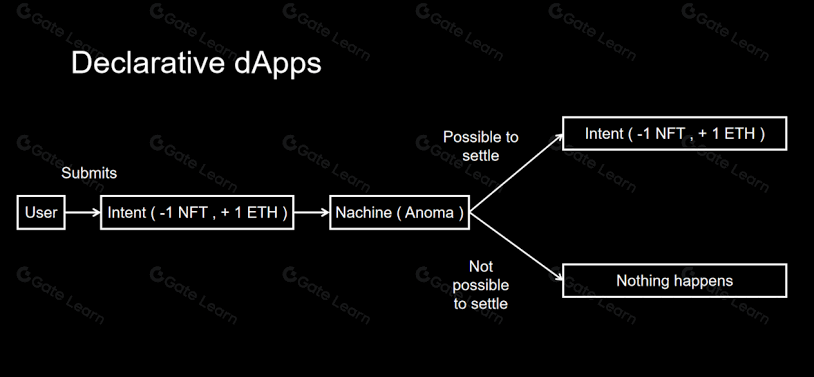
Newer design models, such as intent-based systems, reinforce this trend. These systems allow users to express outcomes rather than execute transactions manually, leaving the system to optimize execution.
While not identical, these models complement Incentive-Centric Architecture by emphasizing user outcomes and efficient coordination.
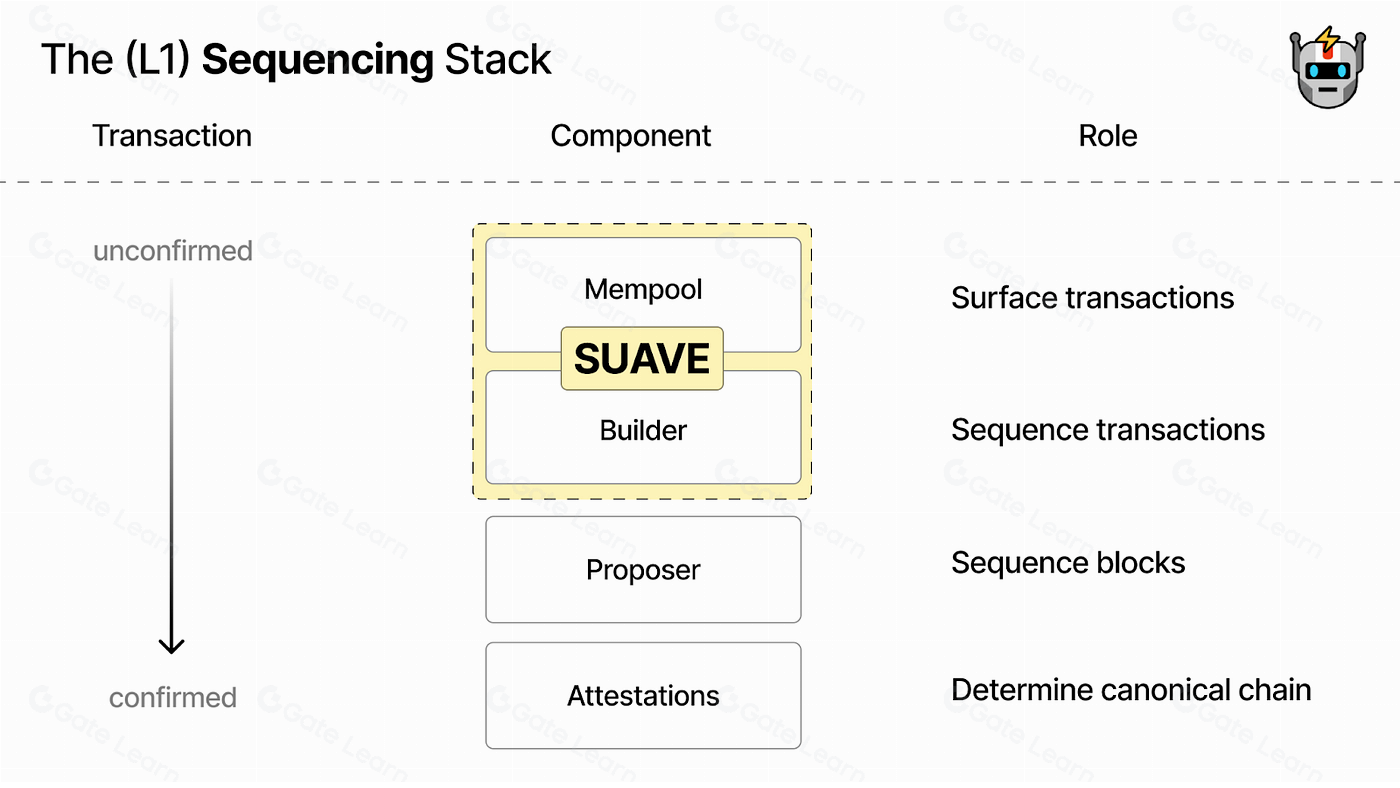
At the same time, multi-chain infrastructures are forcing projects to rethink how incentives operate across different networks. Modern architectures now incorporate cross-chain liquidity strategies, reward distribution mechanisms, and security incentives to maintain stability at scale.
To understand Incentive-Centric Architecture, it helps to break it into three core layers:
This defines how tokens are issued, distributed, and rewarded. It determines whether users hold, stake, or sell—and why.
This focuses on shaping user actions. Incentive-Centric Architecture ensures that desired behaviors—like staking, governance participation, or liquidity provision—are consistently rewarded.
Here, Incentive-Centric Architecture aligns decision-making power with long-term stakeholders, reducing the risk of short-term exploitation.
Together, these layers create a feedback loop where participation strengthens the network, and the network, in turn, rewards participation.
Despite its promise, Incentive-Centric Architecture is not easy to implement. Poor design can lead to inflationary token models, governance capture, or exploitative yield mechanisms.
As one blockchain governance study notes, decentralized systems rely heavily on “economic incentives coordinating independent actors,” making incentive design both powerful and fragile.
This is why many newer projects are investing heavily in simulation, game theory modeling, and iterative token design before launch.
Incentive-Centric Architecture represents a maturation of the crypto industry—from building blockchains to engineering economies. As networks become more complex, the success of a protocol will depend less on its technology and more on how well it aligns incentives across its ecosystem.
For investors, builders, and users alike, understanding Incentive-Centric Architecture is no longer optional—it’s essential.



Copyright © 2025 - The Bit Gazette.