






- Trending
- Comments
- Latest

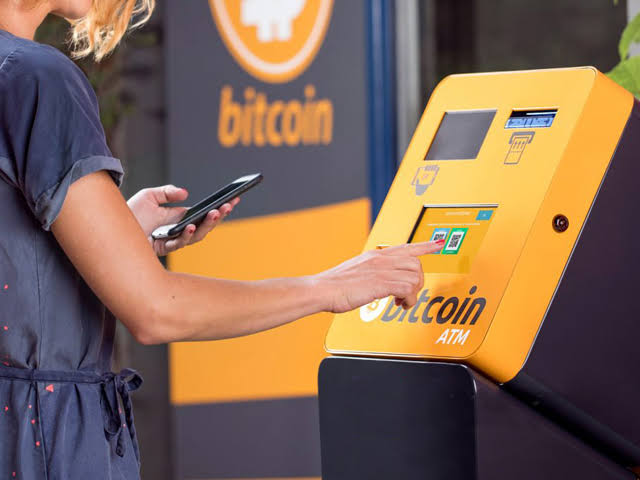
Minnesota Attorney General Keith Ellison launched a statewide survey to document cryptocurrency ATM fraud after federal authorities estimated Americans lost $246.7 million through the machines in 2024, with one major operator seeing 93% of deposits linked to scams.
The initiative, announced alongside a Dec. 19 scam alert, seeks firsthand accounts from all Minnesota residents who have used crypto ATMs as regulators escalate enforcement against operators accused of enabling fraud through poorly monitored kiosks.
“Scammers and fraudsters are constantly developing new tools and tactics to steal money from hard-working Minnesotans, and it is essential for us to keep pace with them,”
Ellison said in a statement, urging all Minnesota residents who have ever used a crypto ATM to complete the survey.
“Crypto ATMs have become one of the go-to methods that scammers use to extract money from their targets, which is deeply concerning to me.”
The survey asks Minnesotans about their experiences with crypto ATMs — including the brands of machines used, who introduced them to the ATM, and whether they suffered financial losses. Notifications were also directly emailed to customers of major operators.
The timing of the survey coincides with federal and local crackdowns on crypto ATM operations and with growing data showing the scale of the problem:
The FBI estimated that roughly $246.7 million was lost in crypto ATM-related fraud in 2024, going through the high stakes faced by unsuspecting users.
Similar litigation in Washington, D.C., alleges a major operator saw 93% of ATM deposits linked to scams, bringing heightened scrutiny to industry practices.
“What we need is clear data so we can target enforcement effectively,” said a Minnesota Department of Commerce official, referring to the uptick in complaints about ATM-related fraud and the machines’ opaque fee structures.
The Minnesota survey initiative sits within a broader reaction from authorities concerned that bad actors disproportionately exploit crypto ATMs.
Several Minnesota municipalities have moved to regulate or ban crypto ATMs, citing patterns of fraud that disproportionately affect seniors and less financially experienced residents.
A law passed last year requires licensed operators to issue refunds for fraud victims under specific conditions and caps daily transactions for new users, though complaints persist.
Law enforcement officials across the state and nationally stress that crypto ATMs are not inherently scams, but their ease of use and anonymity make them ideal tools for scam artists.
“Add in the difficulty of reversing blockchain transactions, and these machines become a conveyor belt of loss for victims,” said Seth Boffeli, senior adviser for fraud prevention programmes at AARP’s national office, noting the rapidly rising volume of ATM-linked complaints.
Heightened scrutiny and data collection may inform future federal guidance or legislation aimed at standardising protections around crypto ATM transactions.
Greater transparency and reporting requirements could emerge if regulators demonstrate widespread misuse through survey data and concurrent enforcement actions.
As Minnesota collects user experiences through the end of the year, crypto investors should monitor how the findings influence regulatory frameworks, industry self-regulation, and the risk landscape for alternative crypto access points.
Reporting scams to authorities and choosing reputable trading platforms over ATMs can help mitigate risks while the policy response evolves.



Copyright © 2025 - The Bit Gazette.