






- Trending
- Comments
- Latest

Minnesota lawmakers are considering a statewide ban on Bitcoin and crypto ATMs following a sharp increase in fraud cases linked to the machines, particularly scams targeting older residents.
The proposal, introduced in February 2026, marks one of the most aggressive state-level actions against crypto kiosks in the United States.
The bill, House File 3642, was introduced by Democratic-Farmer–Labour (DFL) Representative Erin Koegel and is currently under review by the Minnesota House Commerce, Finance, and Policy Committee.
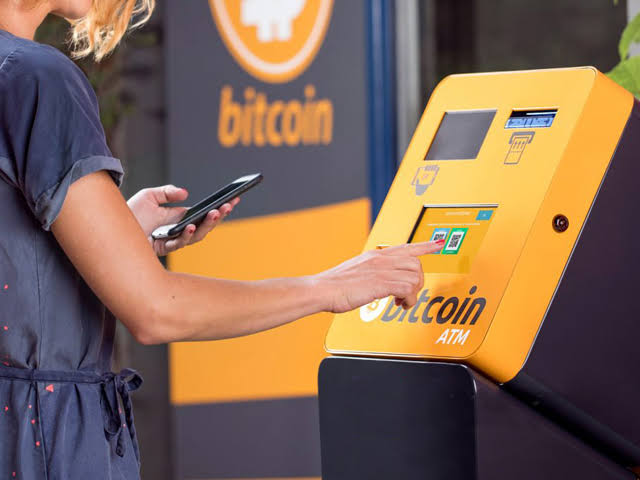
If passed, it would prohibit the placement or operation of all virtual currency kiosks across the state, effectively shutting down roughly 350 licensed crypto ATMs currently in operation.
Lawmakers say the move responds to growing evidence from law enforcement that scammers are increasingly using crypto ATMs to extract money from victims.
Because cryptocurrency transactions are irreversible and difficult to trace, authorities argue that the machines have become a preferred tool for fraudsters.
“We have heard from our law enforcement officials that they are a prime target for people looking to take advantage of our loved ones.” Erin Koegel, Minnesota State Representative, during committee discussions.
According to state data, Minnesota recorded at least 70 complaints tied to crypto kiosks in 2025, with reported losses totalling about $540,000.
Officials believe the real figure may be higher due to underreporting.
Minnesota had already attempted to regulate crypto ATMs rather than ban them outright. A 2024 consumer protection law imposed safeguards, including a $2,000 daily transaction cap for new users, mandatory risk disclosures, and refund requirements for victims of fraud.
However, lawmakers now say those measures failed to stop scams.
Law enforcement testimony presented to legislators described how fraudsters adapted quickly, instructing victims to conduct multiple transactions or travel to neighbouring states without transaction limits.
Detective Lynn Lawrence of the Woodbury Public Safety Department told lawmakers that scammers frequently coach victims step-by-step over the phone while they use the machines, limiting opportunities for intervention.
“These kiosks are a prime target for individuals seeking to exploit vulnerable residents.” Lynn Lawrence, Detective, Woodbury Public Safety Department.
Authorities say elderly residents are disproportionately affected.
National data from the FBI shows more than 12,000 crypto ATM fraud complaints between January and November 2025, totalling over $333 million in losses, with adults over 60 accounting for the majority of victims.
Supporters of the bill argue that the technology’s design for fast transactions with limited consumer protections makes recovery nearly impossible once funds are transferred.
The proposed ban has sparked debate within the cryptocurrency industry and among digital asset advocates, who warn that eliminating kiosks could restrict legitimate access to crypto markets.
Crypto ATM operators argue that bad actors misuse many financial tools and that stronger compliance rules would be more effective than a blanket prohibition.
Companies operating machines in Minnesota, including major kiosk providers, say ATMs provide essential access for users who lack traditional banking services or prefer cash-based transactions.
Critics also note that the legislation would repeal Minnesota’s existing regulatory framework entirely, replacing oversight with a full prohibition.
Industry voices contend that removing regulated kiosks could unintentionally push users toward less transparent alternatives, including peer-to-peer transactions or offshore platforms.
Still, policymakers backing the bill say public safety outweighs convenience. Bipartisan lawmakers have signalled growing concern that crypto kiosks function less like financial infrastructure and more like fraud gateways when misused.
Minnesota’s proposal reflects a broader shift across the United States, where regulators are increasingly scrutinising crypto ATMs amid rising reports of scams.
Several states have tightened rules or pursued legal action against operators, while others are considering moratoriums or outright bans.
Law enforcement agencies nationwide report that scammers commonly impersonate government officials, tech support agents, or family members in distress, instructing victims to withdraw cash and deposit it into crypto ATMs.
If Minnesota enacts HF 3642, it could become one of the first U.S. states to fully eliminate cryptocurrency kiosks, potentially setting a regulatory precedent for others weighing similar measures.
The bill remains in committee, and no final vote has been scheduled.
Even so, the debate highlights a growing policy dilemma facing governments worldwide: how to balance financial innovation with consumer protection in a rapidly evolving digital economy.
As regulators, industry leaders, and consumers watch closely, Minnesota’s decision may help determine how far states are willing to go to curb crypto-related fraud and what that means for the future accessibility of digital assets.



Copyright © 2025 - The Bit Gazette.

