


- Trending
- Comments
- Latest

Tether’s USDT has shed roughly $2.7 billion in circulating supply over just two months, putting February on pace to become the worst month for the stablecoin since the weeks after FTX imploded in late 2022 — yet the broader stablecoin market is growing, suggesting capital is rotating, not retreating.
Blockchain data shows that Tether’s dollar-pegged stablecoin, USDT, has seen roughly $1.5 billion in supply wiped out so far in February, following a $1.2 billion decline in January. If the pace continues, the USDT circulating supply will record its largest monthly decrease in nearly three years — a milestone not seen since the weeks after FTX unraveled in November 2022.
Back then, the USDT circulating supply fell by around $2 billion in December 2022 as panic rippled across digital asset markets. Today’s drawdown is smaller but significant, particularly given USDT’s dominant role in global crypto trading.
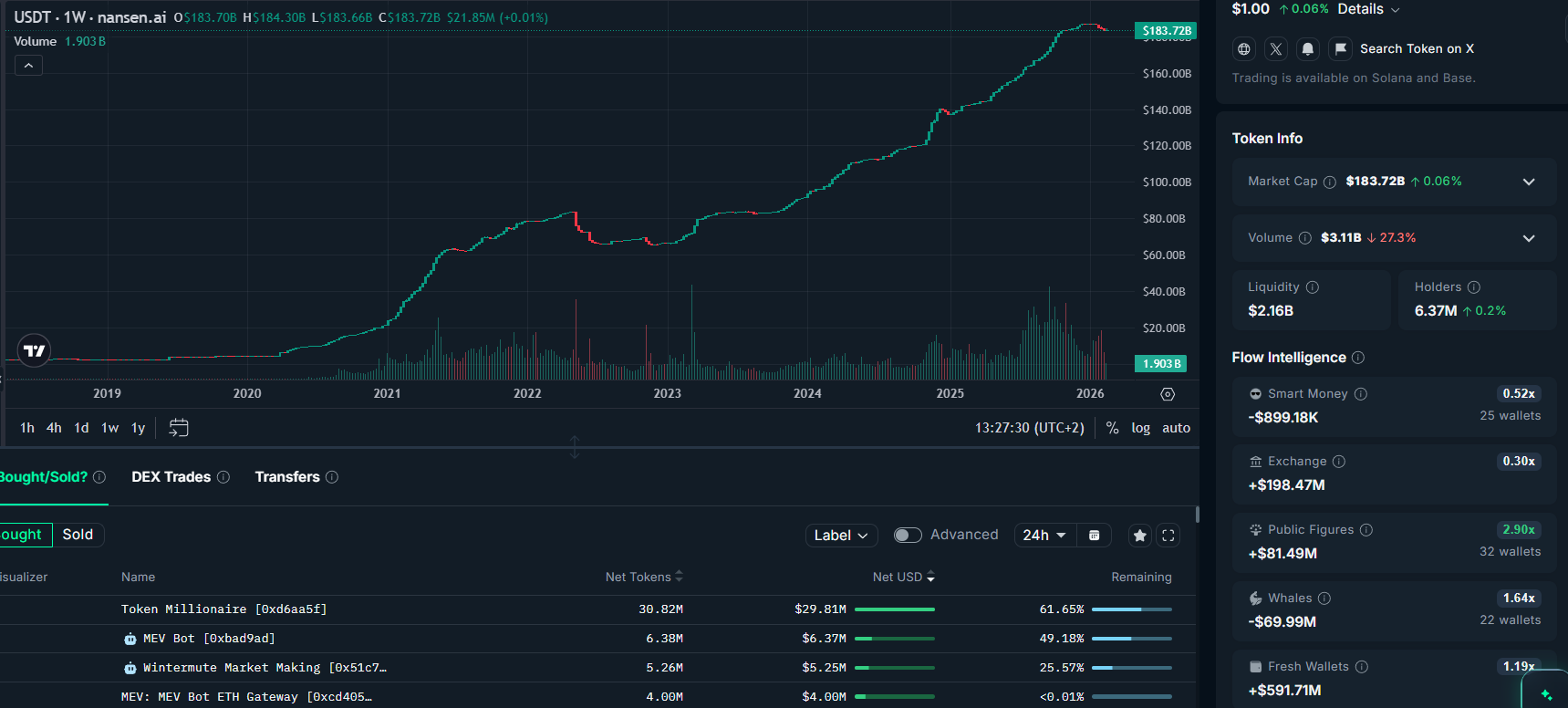
With a market capitalization of approximately $183 billion, USDT represents about 71% of the total stablecoin market, according to CoinMarketCap. That dominance means any shift in the USDT circulating supply carries broader implications for digital asset liquidity.
“Stablecoins are the plumbing of crypto markets,” said Noelle Acheson, author of the “Crypto Is Macro Now” newsletter. “When we see notable changes in supply, it can signal shifts in risk appetite, capital allocation, or redemptions back into fiat.”
Because USDT functions as a primary on-ramp and trading pair across exchanges, a declining USDT circulating supply may reflect investors pulling funds off platforms, reallocating capital, or simply adopting a more cautious stance.
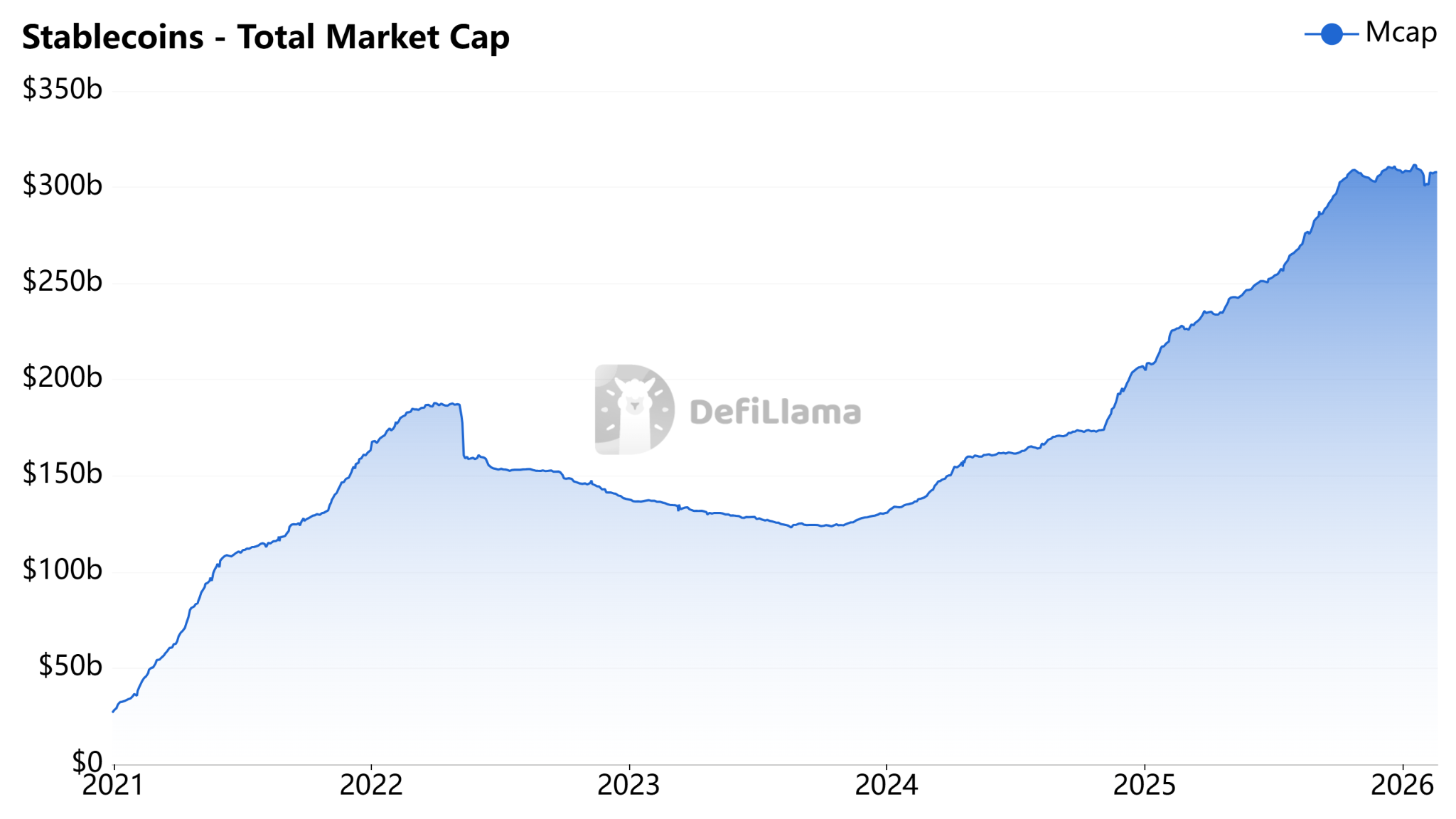
Data from Artemis Analytics, reported by Bloomberg, confirms that February’s contraction puts the USDT circulating supply on pace for its biggest monthly drop since the immediate aftermath of FTX’s implosion.
The comparison to 2022 is inevitable. FTX’s collapse triggered widespread fear, leading investors to redeem stablecoins en masse. At that time, the USDT circulating supply dropped sharply as market participants sought safety.
However, the current environment appears more measured.
“This doesn’t look like a systemic event,” said a digital asset strategist at a major European exchange who requested anonymity due to compliance policies. “The contraction in USDT circulating supply seems more tactical than panic-driven.”
Indeed, while the USDT circulating supply is shrinking, the broader stablecoin market tells a different story.
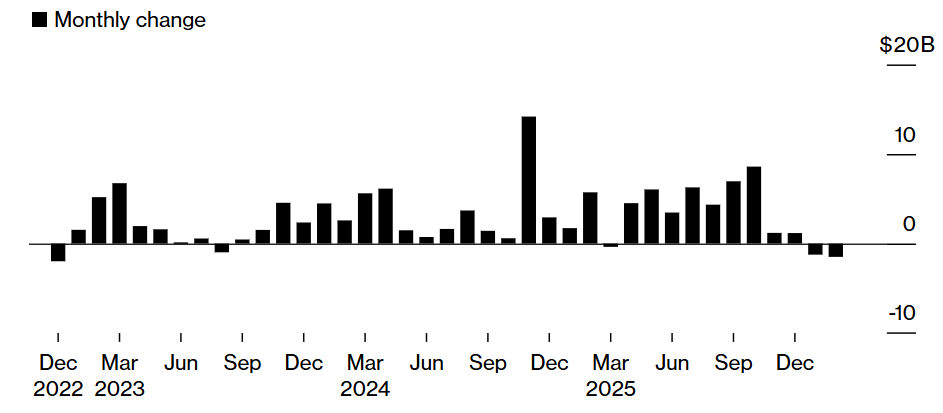
Data from DeFiLlama shows that the total stablecoin market capitalization has increased by 2.33% in February, rising from $300 billion to $307 billion. That means the reduction in USDT circulating supply has not translated into an industry-wide contraction.
Instead, capital may be rotating into alternative dollar-pegged assets.
“The stability in total stablecoin market cap suggests this isn’t an exit from crypto altogether,” Acheson added. “It may reflect diversification within stablecoins or strategic reallocations.”
In other words, while the USDT circulating supply is falling, liquidity hasn’t evaporated — it may simply be shifting.
On-chain intelligence platform Nansen provides further insight into who is driving the changes in USDT circulating supply.
Over the past week, 22 whale wallets offloaded a combined $69.9 million worth of USDT, marking a 1.6-fold acceleration in selling activity from this cohort. Large holders — often early investors, funds, or high-net-worth traders — appear to be trimming positions.
At the same time, Nansen’s “smart money” category — traders with historically strong returns — has also been a net seller. Their activity has contributed to downward pressure on the USDT circulating supply, reinforcing the narrative of capital rotation or defensive positioning.
“Whale flows often act as early indicators,” said Andrew Thurman, a contributor to Nansen research. “But they don’t always reflect broader retail sentiment.”
While whales are reducing exposure, newer participants are stepping in.
Wallets created within the last 15 days purchased approximately $591 million in USDT over the past week, according to Nansen. This influx of new demand partially offsets the redemptions that are weighing on the USDT circulating supply.
The divergence underscores a split market: experienced capital reallocating or withdrawing, while new entrants accumulate stablecoins, potentially preparing to deploy them into crypto assets.
“The churn in USDT circulating supply highlights a transition phase,” Thurman noted. “Capital isn’t disappearing — it’s moving between hands.”
Because USDT underpins a large share of spot and derivatives trading pairs, a shrinking USDT circulating supply can tighten liquidity conditions if not offset elsewhere.
Historically, expansions in stablecoin supply have coincided with rising crypto prices, as fresh liquidity enters the ecosystem. Conversely, contractions in USDT circulating supply can signal reduced buying power on exchanges.
However, the stablecoin market’s overall growth tempers immediate concerns. If capital is migrating to other dollar-pegged assets rather than exiting crypto entirely, the liquidity impact may be limited.
Still, market participants are watching closely.
“Tether remains systemically important,” Acheson said. “Any sustained decline in USDT circulating supply warrants attention, even if it doesn’t yet signal stress.”
Cointelegraph reached out to Tether for comment regarding the drivers behind the February decline but had not received a response at the time of publication.
In past instances, Tether has emphasized that changes in supply reflect customer-driven redemptions and issuances rather than internal policy shifts.
For now, the trajectory of the USDT circulating supply remains a key metric for traders gauging short-term liquidity trends.
Whether February ultimately marks a temporary recalibration or the beginning of a deeper contraction will depend on redemption flows, market volatility, and investor confidence in the weeks ahead.
One thing is clear: in a crypto market built on dollar-pegged rails, the direction of the USDT circulating supply continues to serve as one of the most closely watched indicators of underlying sentiment.



Copyright © 2025 - The Bit Gazette.