






- Trending
- Comments
- Latest

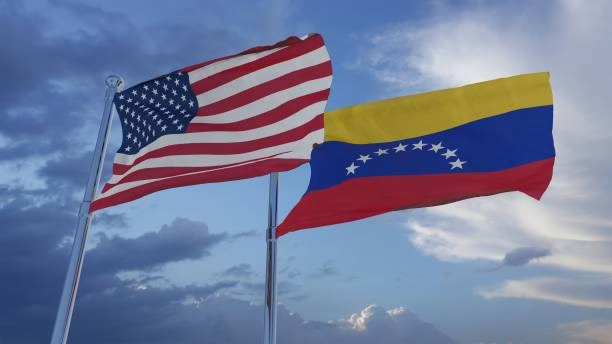
Venezuela may hold 600,000 bitcoin worth $56 billion as Maduro capture raises questions over control
Venezuela may control as many as 600,000 bitcoin worth between $56 billion and $67 billion, according to unverified intelligence reports that have resurfaced following the US capture of former President Nicolás Maduro in early January.
The alleged holdings, which analysts say were accumulated through gold swaps, sanctioned oil sales settled in stablecoins, and mining seizures since 2018, would rank among the largest sovereign or institutional bitcoin positions globally—rivaling MicroStrategy and BlackRock.
However, no blockchain forensics have conclusively linked specific wallets to Venezuelan state control, leaving major questions about ownership and access unresolved.
Investors and analysts tracking this situation point to multiple channels through which the reserve may have grown since 2018:
Gold swaps: Venezuela exported substantial gold from the Orinoco Mining Arc and reportedly swapped at least $2 billion of that gold into bitcoin when prices averaged around $5,000 per coin. That tranche alone could represent hundreds of thousands of BTC at today’s levels.
Oil settled in crypto: Facing sanctions that restricted access to global financial systems, state energy giant PDVSA is said to have required some crude buyers to settle in Tether (USDT) stablecoins, which were later converted to bitcoin.
Mining seizures: Domestic crypto mining operations reportedly added a smaller amount of bitcoin to the reserves via asset confiscations.
“This is the sort of accumulation that would make Venezuela a major holder on par with leading institutional treasuries,” said Serenity, a market analyst specializing in sovereign crypto flows.
The implications of a sovereign holding hundreds of thousands of bitcoin are multi-faceted and potentially massive.
If the bitcoin reserves are real and subject to legal actions or seizure by the U.S. government as part of sanctions enforcement or litigation tied to state actors, large amounts of BTC could be frozen, effectively removing supply from the market for years.
Some analysts argue this could create a long-term bullish supply shock, tightening available bitcoin liquidity. If these coins were somehow liquidated in bulk—whether through settlement of international claims or forced sale—the impact on bitcoin price discovery could be severe, especially in thin trading conditions.
The potential of a government using bitcoin as a de facto reserve asset to circumvent sanctions introduces a new geopolitical dimension to crypto markets.
Venezuela’s alleged strategy of substituting traditional reserve assets with decentralised digital assets, forcing investors to weigh not just market cycles but also global political risk and sanctions dynamics.
Crypto investors should note that, even if the reserve exists, its legal status remains unclear. There is no verified public record confirming the country’s control over 600,000 BTC, nor clarity on where private keys are held, who controls them, or how international courts might claim them in disputes.
The market’s next moves will likely depend on verification, legal developments, and clarity around control of the assets. Investors should monitor:
On-chain analysis updates from forensic blockchain firms seeking to trace large wallets potentially tied to Venezuelan state interests.
Regulatory actions or litigation outcomes involving U.S. authorities and Venezuelan officials;
Broader macro sentiment in crypto markets is responding to unfolding geopolitical shifts.



Copyright © 2025 - The Bit Gazette.

