


- Trending
- Comments
- Latest

Vietnam is moving closer to formally taxing cryptocurrency activity, with a draft proposal that would treat digital asset transactions in much the same way as stock trading.
The plan, unveiled by the Ministry of Finance and now open for public consultation, introduces a Vietnam crypto tax framework that combines a flat transaction levy, profit-based corporate taxation, and some of the strictest licensing requirements seen in Southeast Asia.
According to a report by The Hanoi Times, the proposal would impose a 0.1% personal income tax on the value of each crypto transfer executed through licensed service providers. The structure mirrors Vietnam’s existing tax on securities trades, reinforcing the government’s view that crypto assets should be regulated and taxed alongside traditional financial instruments.
If implemented, the Vietnam crypto tax would mark a significant policy shift in one of Asia’s most active retail crypto markets, signaling that authorities are ready to move from pilot programs to enforceable fiscal rules.
Under the draft circular, individuals trading or transferring crypto assets would pay a 0.1% tax on each transaction’s gross value, regardless of profit or loss. The levy would apply whenever a transfer is processed by a licensed intermediary operating in Vietnam.
Notably, the tax would apply to both residents and non-residents, as long as the transaction is executed through a regulated local platform. While crypto transactions would remain exempt from value-added tax, the turnover-based Vietnam crypto tax would ensure the government collects revenue even in cases where profits are difficult to calculate.

Tax experts say this approach prioritizes simplicity and enforceability. “A flat transaction tax is easier to administer than capital gains in highly volatile markets,” said a Hanoi-based tax consultant familiar with the draft. “It’s similar to how Vietnam already treats stock trading.”
Companies operating in Vietnam would fall under a different regime. Institutional investors and businesses earning income from crypto transfers would be subject to a 20% corporate income tax on net profits, calculated after deducting acquisition costs and relevant expenses.
This profit-based approach aligns with existing corporate tax rules and reflects a more conventional treatment of crypto as a business activity. Still, analysts note that combining a transaction tax for individuals with a profit tax for firms makes the Vietnam crypto tax framework unusually broad.
“It shows the government is trying to capture revenue from all sides of the market,” said a regional policy analyst. “Retail traders pay on turnover, while companies pay on earnings.”
Beyond taxation, the draft policy provides a formal legal definition of crypto assets for the first time. Authorities describe them as digital assets that rely on cryptographic or similar technologies for issuance, storage, and verification of ownership or transfers.
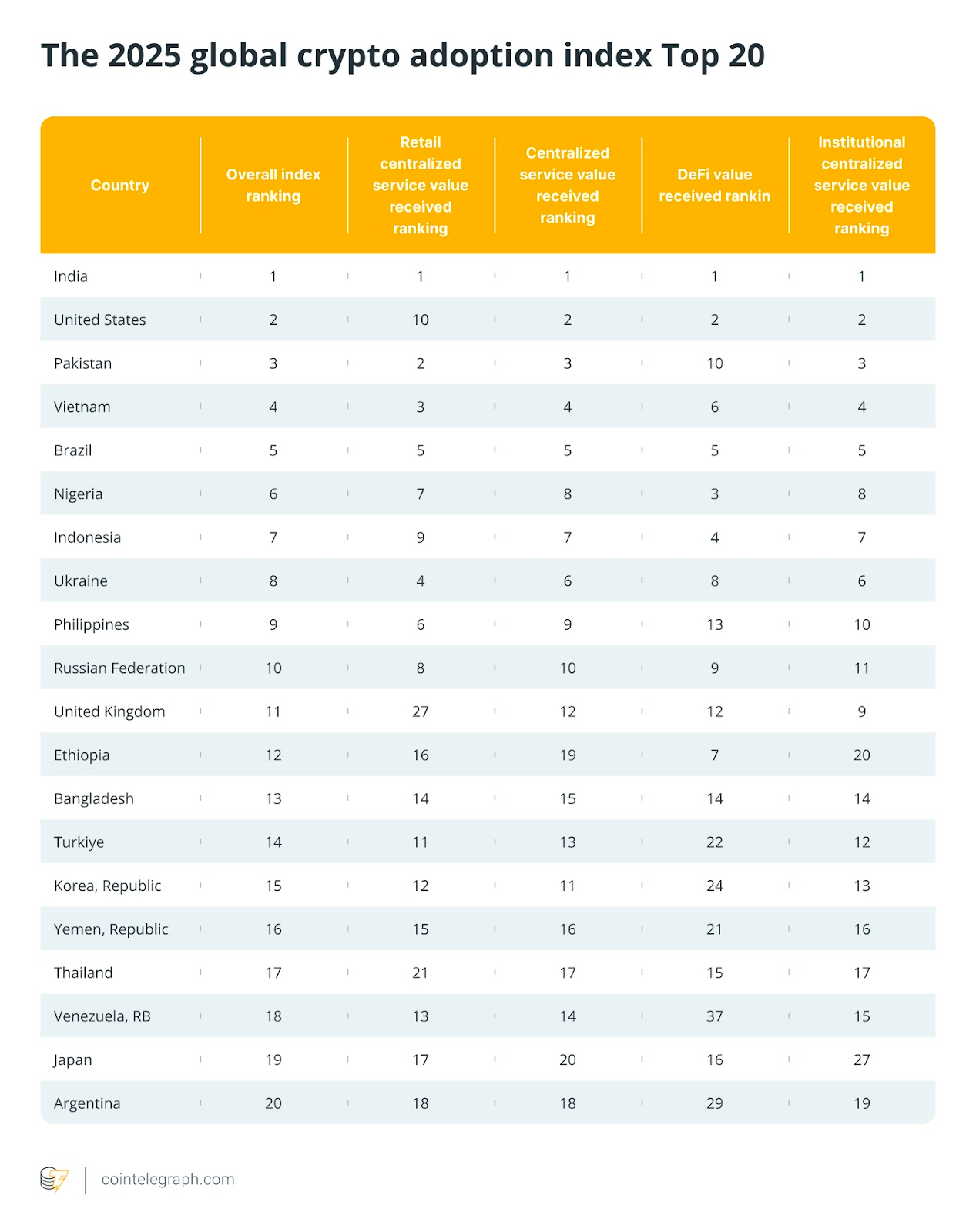
This definition is expected to underpin not only the Vietnam crypto tax rules, but also licensing, compliance, and enforcement standards. Legal clarity has long been a missing piece in Vietnam’s crypto landscape, where trading has thrived despite regulatory ambiguity.
By codifying what constitutes a crypto asset, policymakers aim to close loopholes and bring digital markets under clearer supervision.
Perhaps the most controversial aspect of the proposal is its stringent licensing requirement for digital asset exchanges. Firms seeking to operate a crypto trading platform would need a minimum charter capital of 10 trillion Vietnamese dong — roughly $408 million.
That threshold is higher than the capital required for commercial banks and far exceeds requirements in most other industries. Foreign ownership would be allowed but capped at 49% of an exchange’s equity.
Critics argue that such conditions could limit competition and deter innovation. Supporters, however, say the rules are designed to ensure only well-capitalized, compliant operators handle customer funds — an important consideration as the Vietnam crypto tax brings crypto activity further into the formal economy.
The tax proposal builds on Vietnam’s five-year pilot program for a regulated crypto asset market, launched in September 2025. The initiative was designed to test oversight mechanisms before full-scale legalization.

However, progress has been slow. On Oct. 6, 2025, the Ministry of Finance confirmed that no companies had applied to join the pilot at that time, citing high capital requirements and strict eligibility criteria.
The lack of early participation underscores the tension at the heart of the Vietnam crypto tax debate: how to balance consumer protection and fiscal oversight with market accessibility.
Despite the slow start, Vietnam has taken another step forward. Last month, the country began accepting applications for licenses to operate digital asset trading platforms, marking the operational phase of the pilot program.
“Applications for the aforementioned administrative procedures will be accepted beginning January 20, 2026,” the State Securities Commission of Vietnam (SSC) said in a statement, framing the move as part of a broader push to bring crypto markets under formal regulation.
Regulators hope that the combination of licensing clarity and a defined Vietnam crypto tax regime will encourage compliant firms to enter the market.
If enacted, the Vietnam crypto tax could reshape trading behavior. A flat transaction levy may discourage high-frequency trading, while corporate taxation could push firms toward more structured accounting and compliance practices.
At the same time, the framework positions Vietnam among a growing group of countries treating crypto less as an experiment and more as a taxable financial activity.
“The direction is clear,” said one Southeast Asian crypto policy researcher. “Vietnam wants crypto inside the system, not operating in a gray zone.”
As public consultation continues, industry participants will be watching closely. The final shape of the Vietnam crypto tax may determine whether the country becomes a regulated crypto hub — or a market where high barriers keep activity offshore.



Copyright © 2025 - The Bit Gazette.