






- Trending
- Comments
- Latest

Utility tokens are digital assets designed to unlock specific functions within blockchain platforms—from paying transaction fees to accessing services or participating in governance.
Unlike Bitcoin or Ethereum, which serve broader economic purposes, utility tokens are engineered for narrow, specific use cases: the Basic Attention Token rewards users in the Brave browser; Filecoin buys decentralized storage. Understanding how they work, how they differ from securities, and why many failed during the 2017–2018 ICO boom is essential for navigating Web3.
At its core, a Utility Token is a type of blockchain-based digital asset designed to provide access to a product, service, or function within a specific platform. Unlike cryptocurrencies such as Bitcoin, which primarily serve as a store of value or medium of exchange, a Utility Token is created to perform a particular function inside a blockchain ecosystem.
In simple terms, a Utility Token can be thought of as a digital key that unlocks features or services on a decentralized network.
“Utility tokens are blockchain-based tokens that provide access to services or products within a platform,” according to educational materials from CoinMarketCap.
These tokens are often integrated into the core functionality of blockchain projects, allowing users to interact with applications, pay transaction fees, or access premium features.
A Utility Token functions as a built-in economic mechanism within a blockchain ecosystem. Instead of representing ownership in a company or investment rights, the token is designed to enable participation in a platform’s services.
For example, some decentralized networks require users to hold a Utility Token to access certain features, perform transactions, or participate in governance decisions.
Developers typically create and distribute a Utility Token during fundraising events such as Initial Coin Offerings (ICOs) or token sales. These tokens help fund the development of a project while giving early supporters access to the platform once it launches.
Because each Utility Token is tied to a specific blockchain ecosystem, its value often depends on the demand for the services provided by that network.
Several major blockchain projects rely on a Utility Token to power their ecosystems.
One widely known example is the Basic Attention Token used within the Brave browser ecosystem. The token rewards users for viewing advertisements while allowing advertisers to pay for user attention.
Another example is Filecoin, where the Utility Token is used to pay for decentralized data storage services on the network.
In these cases, the Utility Token acts as the fuel that keeps the platform running, enabling transactions and incentivizing network participants.
According to blockchain analysts, this model helps create self-sustaining digital economies within decentralized applications.
A key distinction in the crypto market lies between a Utility Token and a security token.
A Utility Token is designed primarily to provide access to a platform’s services rather than represent ownership in a company or project. Security tokens, by contrast, are digital assets that function similarly to traditional securities such as stocks or bonds.
This difference has important regulatory implications.
Regulators such as the U.S. Securities and Exchange Commission often apply the “Howey Test” to determine whether a token should be classified as a security. If a token represents an investment contract promising profits based on the efforts of others, it may fall under securities law.
Because a Utility Token is meant to provide access to services rather than financial returns, many projects structure their tokens specifically to avoid classification as securities.
The importance of the Utility Token goes beyond simple payments within blockchain applications.
In many decentralized ecosystems, a Utility Token helps coordinate user incentives, reward participation, and maintain network security.
For instance, some blockchain projects distribute a Utility Token to users who contribute computing power, provide liquidity, or participate in governance decisions.
By aligning incentives between developers and users, the Utility Token model helps decentralized platforms grow without relying on traditional centralized intermediaries.
Analysts say this mechanism is one of the key innovations driving the growth of decentralized finance (DeFi), decentralized applications (dApps), and Web3 infrastructure.
Despite their usefulness, Utility Token projects have faced criticism and scrutiny over the years.
During the 2017–2018 ICO boom, hundreds of startups launched tokens promising revolutionary blockchain services. Many of these projects failed to deliver functional products, leaving investors with tokens that had little practical value.
Regulators and industry observers say this period demonstrated the importance of evaluating whether a Utility Token truly provides meaningful functionality within its ecosystem.
Some jurisdictions are now developing clearer regulatory frameworks for digital assets, including rules governing the issuance and disclosure requirements for Utility Token offerings.
As blockchain technology continues to mature, the role of the Utility Token is likely to expand across multiple industries.
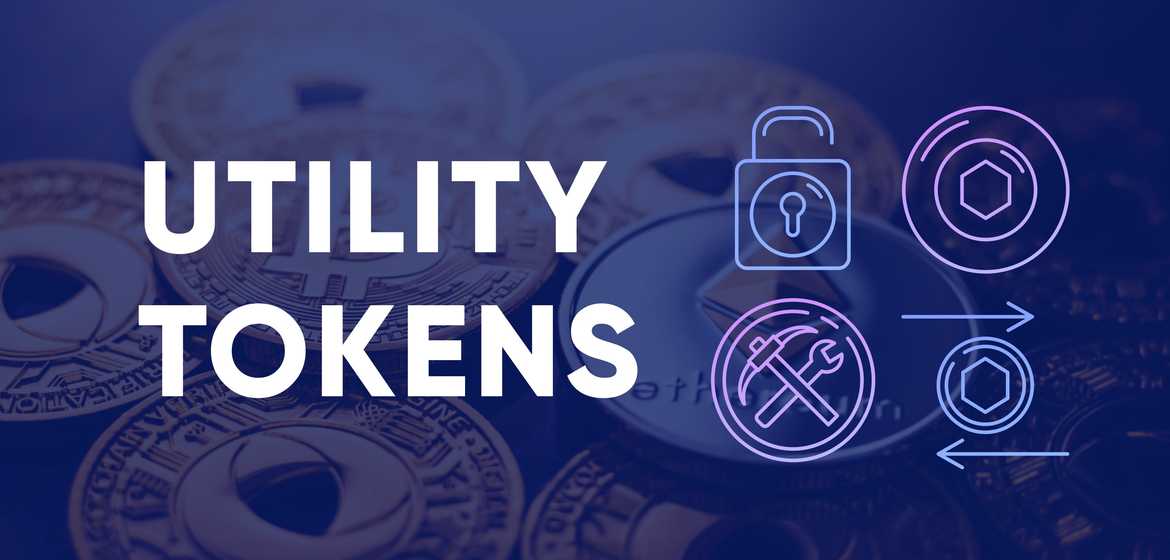
From decentralized finance platforms to gaming, digital identity systems, and data storage networks, the Utility Token is increasingly being used to power complex decentralized economies.
Developers are experimenting with new ways to integrate tokens into governance systems, reward mechanisms, and digital marketplaces.
For blockchain projects seeking to build sustainable ecosystems, the Utility Token remains one of the most powerful tools available.
Ultimately, the success of any Utility Token depends on one crucial factor: real-world utility. Projects that create meaningful use cases for their tokens are far more likely to survive the volatility of the crypto market and become long-term pillars of the Web3 economy.



Copyright © 2025 - The Bit Gazette.

