







- Trending
- Comments
- Latest

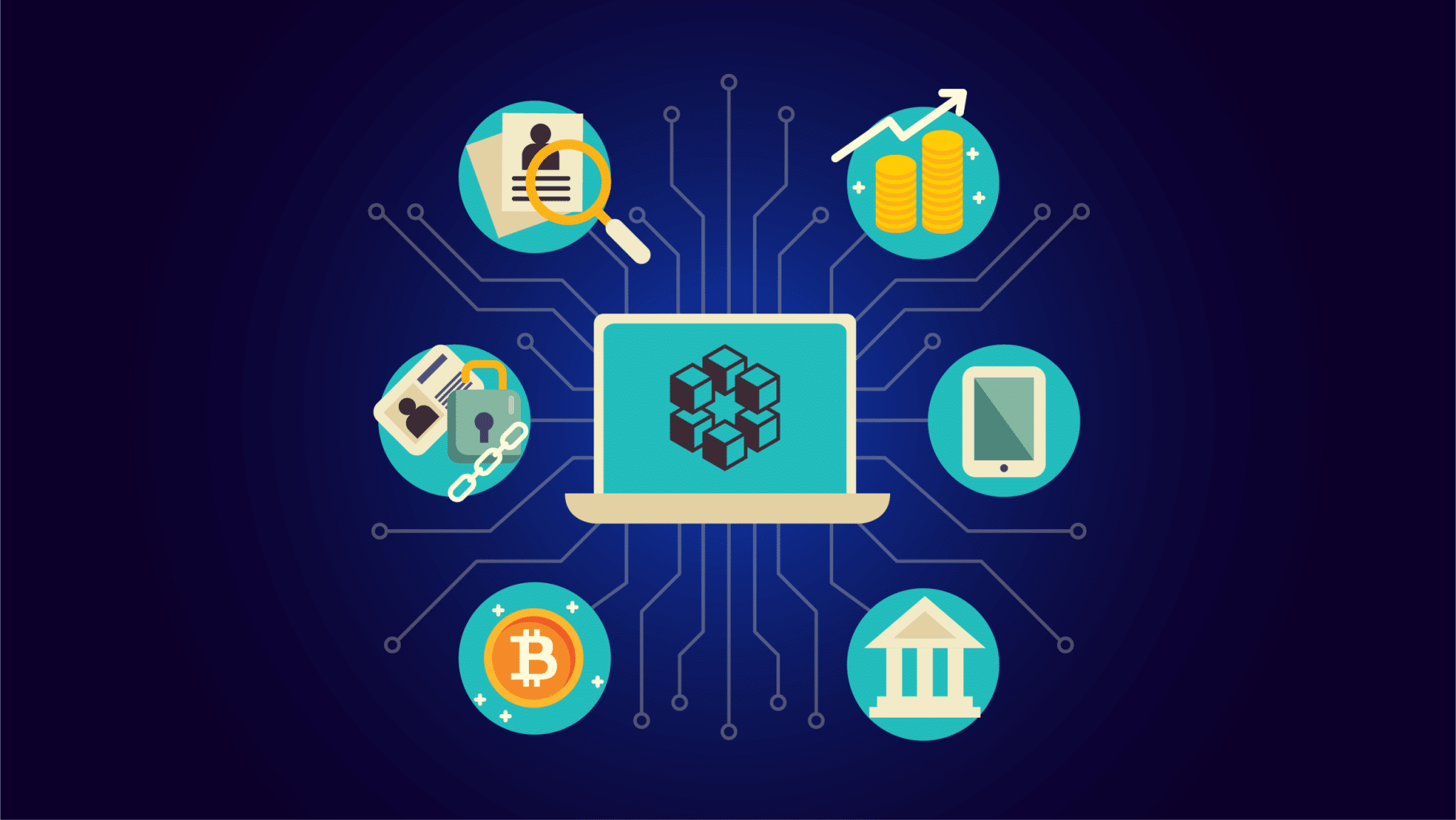
If you’re still measuring Web3 by wallet growth or NFT volume, you’re tracking the wrong signals. The $584 million just deployed into blockchain settlement infrastructure wasn’t a bet on users. It was a bet on pipes.
The early promise of Web3 was expansion. More users, more applications, more visible activity.
But the B2B blockchain settlement layer tells a different story. Instead of expanding outward, Web3 is embedding itself inward into the core systems that already move money, assets, and obligations between institutions.
This is a depth play, not a growth play.
In this model, success is not measured by adoption curves but it’s measured by how difficult it becomes to remove the infrastructure once it’s in place.
Most people underestimate how broken settlement systems are because they never interact with them directly.
Behind every cross-border transfer, institutional trade, or corporate payment lies a network of intermediaries:
Each layer adds time, cost, and risk.
The B2B blockchain settlement layer targets this exact inefficiency. By enabling near-instant, programmable settlement, blockchain compresses processes that traditionally take days into minutes or seconds.
For institutions, this is not innovation for its own sake. It is margin expansion.
Every delay removed is capital unlocked. Every intermediary bypassed is cost saved.
Retail chases narratives. Institutional capital chases inevitabilities.
The emergence of a $584 million allocation into settlement-focused blockchain infrastructure is a clear indication of where serious money believes value will accrue.
Not in:
But in:
The B2B blockchain settlement layer sits at the intersection of all three.
This is not a bet on Web3 becoming popular. It is a bet on Web3 becoming necessary.
Consumer-facing Web3 has a problem: it asks users to change behavior.
B2B infrastructure does not.
The B2B blockchain settlement layer works precisely because it integrates into existing workflows rather than replacing them. Businesses do not need to understand blockchain as they only need to experience better outcomes:
This creates a powerful adoption dynamic:
In other words, it solves problems without demanding attention.
One of the defining traits of the B2B blockchain settlement layer is that it becomes more valuable the less visible it is.
Once integrated, settlement systems are rarely replaced. They become foundational infrastructure quietly powering transactions without drawing attention.
This is how real financial systems scale:
As more institutions plug into blockchain-based settlement, the network effect compounds not at the user level, but at the infrastructure level.
At a certain point, switching away becomes more costly than staying.
That is when adoption becomes irreversible.
The B2B blockchain settlement layer reveals a truth that contradicts much of Web3’s early narrative: the future of blockchain may not be consumer-facing at all.
It may live entirely in the background.
The $584 million signal is not just capital deployment as it is a directional shift. Web3 is moving away from being a product and toward becoming a system.
Not something you use.
Something that runs beneath everything else.
And once that transition is complete, the question won’t be whether businesses adopt blockchain.
It will be whether they can afford not to.



Copyright © 2025 - The Bit Gazette.

