


- Trending
- Comments
- Latest

The Singapore Police Force warned on Wednesday, July 1, that scammers are using fake World Cup ticket websites, counterfeit tokens, and malware to steal cryptocurrency from fans, urging the public to avoid ticketing platforms that require crypto payments.
The warning comes as cybercriminals increasingly exploit global sporting events to target cryptocurrency users.
The Singapore Police Force said cryptocurrency ticketing fraud has evolved beyond fake ticket sales into a broader network of scams targeting cryptocurrency holders.
According to the advisory, scammers have been creating convincing World Cup-themed ticketing websites advertising “exclusive” match tickets or official merchandise. Victims are instructed to complete purchases using cryptocurrencies such as Bitcoin or USDT.
After payment is made, however, neither the tickets nor the merchandise arrive. Shortly afterward, the fraudulent websites disappear, leaving victims with little chance of recovering their funds.
The police also warned that cryptocurrency ticketing fraud is expanding into fake digital assets. Fraudsters are promoting counterfeit “official World Cup tokens” or fan coins by falsely claiming they are affiliated with tournament organizers or national teams.
Victims who invest in these tokens risk substantial losses as scammers artificially inflate prices before selling off their holdings, triggering a rapid market collapse.
“Scammers have been creating World Cup-themed ticketing sites that offer ‘exclusive’ tickets and directing victims to pay using cryptocurrencies such as Bitcoin or USDT.” — Singapore Police Force
Authorities noted that the schemes are designed to exploit the excitement surrounding one of the world’s biggest sporting events while taking advantage of the irreversible nature of cryptocurrency transactions.
Beyond fake ticket sales, cryptocurrency ticketing fraud is increasingly relying on phishing websites and social engineering tactics.
The police said individuals searching online for free World Cup livestreams may unknowingly land on malicious websites that request cryptocurrency wallet connections, demand cryptocurrency payments, or encourage users to download malware.
These fraudulent websites can compromise login credentials, financial information, and cryptocurrency holdings.
Officials further warned that scammers are using artificial intelligence-generated deepfake videos featuring well-known athletes and celebrities to make fake investment platforms and fraudulent promotions appear legitimate.
The combination of sporting excitement, AI-generated content, and sophisticated phishing tactics has significantly increased the credibility of many scam campaigns, making it harder for victims to distinguish legitimate offers from fraudulent ones.
“These sites may compromise victims’ credentials, financial information, or cryptocurrency assets.” — Singapore Police Force
The advisory stressed that users should remain cautious of any website or promotion promising exclusive World Cup access, discounted tickets, or guaranteed cryptocurrency investment returns.
Authorities also highlighted another variation of cryptocurrency ticketing fraud involving malware installation and remote access.
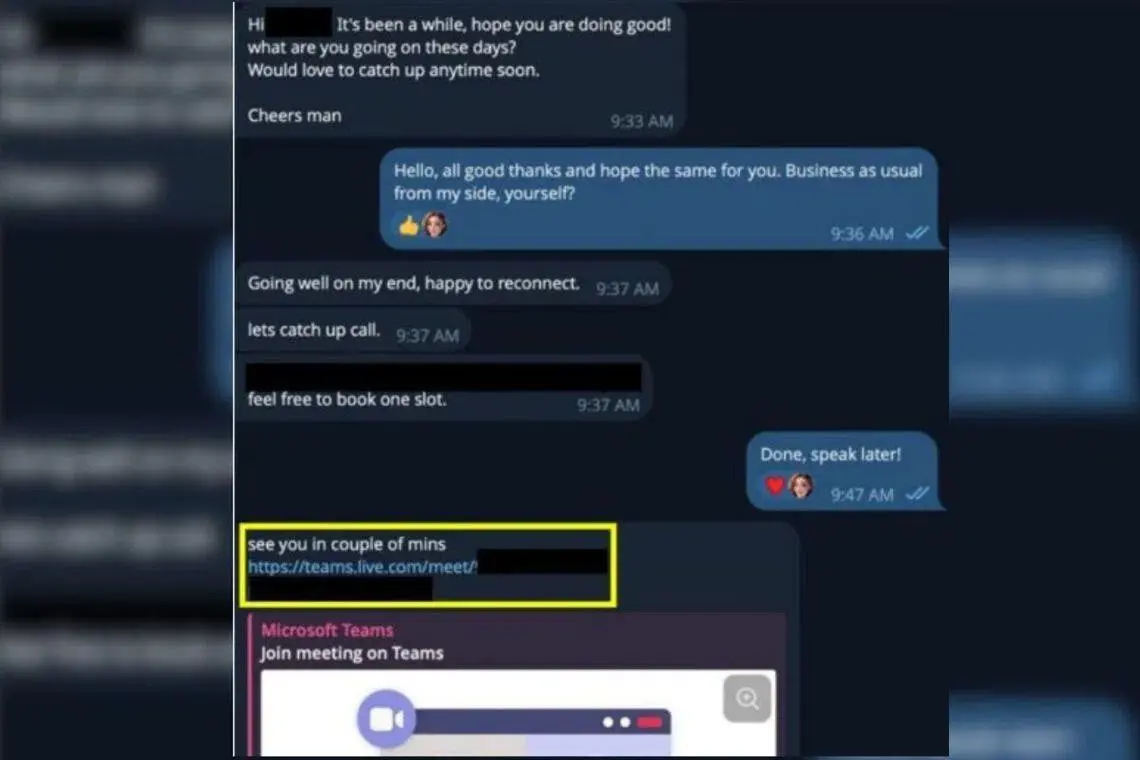
According to the police, victims are often approached through messaging applications such as Telegram by individuals posing as business associates or potential clients.
The scammers then arrange a video call and send victims a browser-based meeting link. After opening the link, users receive a fake notification claiming that a software component has expired and requires an urgent update.
Victims are instructed to download a file and execute commands on their computers, unknowingly installing malware that gives attackers access to sensitive cryptocurrency information.
The police explained that scammers frequently persuade victims to approve a “permit signature,” an off-chain authorization allowing future cryptocurrency transactions without additional confirmation.
“By approving such requests, victims may unknowingly allow scammers to carry out future cryptocurrency transactions from their wallets without further approval, even if a hardware wallet is used.” — Singapore Police Force
Because no immediate transfer occurs, many victims remain unaware that they have granted ongoing access to their wallets until their digital assets are eventually stolen and transferred across multiple platforms to obscure their origin.
This technique makes cryptocurrency ticketing fraud particularly dangerous because victims may believe their wallets remain secure long after the initial interaction.
To reduce the risks associated with cryptocurrency ticketing fraud, Singapore police urged cryptocurrency users to adopt stronger security practices.
The advisory recommends storing digital assets in hardware wallets whenever possible, as they offer greater protection against online attacks than internet-connected wallets.
Authorities also advised users to transact only through cryptocurrency service providers licensed or regulated by the Monetary Authority of Singapore, helping reduce exposure to fraudulent platforms.
Anyone who believes they have fallen victim to cryptocurrency ticketing fraud should immediately contact their cryptocurrency exchange to halt pending transactions or freeze their account where possible.
Victims are also encouraged to report incidents to the Singapore Police Force and the Cyber Security Agency of Singapore’s Cyber Emergency Response Team to improve response efforts and assist ongoing investigations.
With global sporting tournaments continuing to attract massive audiences, authorities warned that cryptocurrency ticketing fraud is likely to remain an active threat.
Fans are therefore encouraged to verify ticket sellers carefully, avoid cryptocurrency-only payment requests, and remain cautious of unsolicited links, fake investment opportunities, and software downloads promising exclusive World Cup access.
Primary source; Star Times



Copyright © 2025 - The Bit Gazette.