

- Trending
- Comments
- Latest

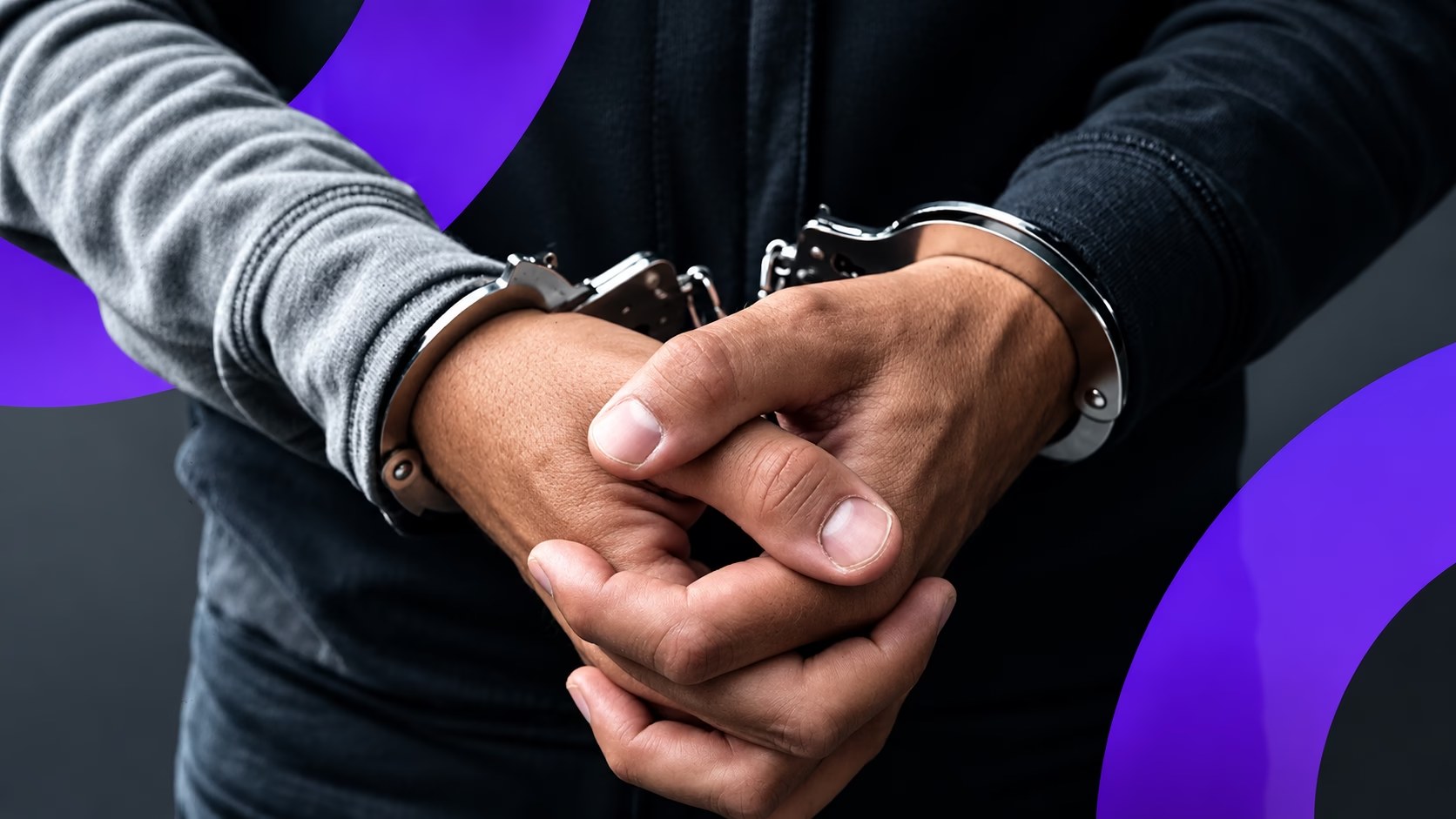
Three men have been jailed for up to six years for breaking into a Bristol home, beating the occupant and demanding cryptocurrency, after his teenage sister alerted police and officers arrested all three at the scene.
According to Avon and Somerset Police, Terroll Paul, 31, Mohamed Samagassi, 37, and Pierre Madzou, 30, forced their way into the victim’s home during the early hours of May 15, 2026. The victim was struck over the head, sustaining an injury serious enough to require hospital treatment.
All three men subsequently pleaded guilty to aggravated burglary and were sentenced at Bristol Crown Court on October 15. Their convictions bring renewed attention to the risks associated with Crypto Theft schemes that target individuals in their homes.
The court handed Paul, who lives in Barking, London, a six-year prison sentence. Madzou, also from Barking, received five and a half years, while Samagassi, who has no fixed address, was sentenced to five years.
The men entered the property intending to force the victim to surrender a large amount of cryptocurrency. Police have not disclosed the precise value of the digital assets demanded during the incident.
The victim’s teenage sister played a decisive role in bringing the incident to an end. After alerting the authorities, she helped ensure that officers arrived while the three offenders were still at the scene.
The arrests prevented the suspects from escaping immediately after the attack and allowed investigators to pursue the case through the courts.
PC Gemma Childs, the investigating officer, praised the teenager’s actions and described her response as exceptionally courageous. She said the girl’s quick thinking directly contributed to the arrests and helped prevent her brother from suffering further harm.
The officer also highlighted the lasting consequences for the victim, noting that the incident had dramatically changed his life.
Although the attempted robbery did not result in a disclosed cryptocurrency transfer, the violence left the victim dealing with significant emotional consequences.
In a personal statement read during sentencing, he explained that the experience had fundamentally altered his personality and his sense of security.
He described himself as previously outgoing, cheerful and talkative. Since the break-in, however, he said he had become tense and apprehensive.
The victim also told the court that he continued to experience intense fear and feelings of paranoia following the incident. His account illustrates how Crypto Theft attempts can inflict lasting harm even when criminals fail to obtain the assets they seek.
The physical injury required hospital care, but the psychological effects extended beyond the immediate aftermath of the assault.
The police statement praised the victim for cooperating throughout the investigation and showing resilience despite the ordeal. It also emphasised that no one, particularly a young person, should have to experience such violence at home.
The sentences reflect the seriousness of the aggravated burglary and the harm caused to the victim and his family.
The Bristol case is part of a wider pattern of attacks commonly known as wrench attacks. The term describes crimes in which perpetrators use threats, physical force or intimidation to make cryptocurrency owners surrender access to their digital assets.
Unlike conventional cyberattacks, these incidents target the individual rather than relying exclusively on compromised passwords, software vulnerabilities or stolen online credentials.
Cryptocurrency transactions can be difficult to reverse once authorised, making coercion a potentially effective method for criminals seeking immediate access to funds. Depending on how a wallet is secured, attackers may attempt to force victims to reveal passwords, surrender devices or approve transfers.
The Bristol incident demonstrates that Crypto Theft can involve serious physical violence, even when the intended financial gain remains unknown.
In February 2026, three teenagers were jailed in the United Kingdom over a separate wrench attack in which approximately $4.3 million in cryptocurrency was stolen during a robbery in London. The offenders reportedly posed as delivery drivers before threatening their victim.
More recently, a couple in the West Midlands were targeted in a home invasion involving cryptocurrency transfers. In September, Crimestoppers announced a reward of up to £10,000 for information leading to an arrest and conviction in connection with that case.
These incidents indicate that Crypto Theft is not limited to exchanges, online wallets or sophisticated digital intrusions. Personal residences can also become targets when criminals believe someone holds valuable digital assets.
The Bristol convictions reinforce the need for cryptocurrency owners to consider personal safety alongside digital security. Strong passwords, hardware wallets and secure authentication can help protect accounts, but they cannot independently prevent someone from using violence to demand access.
Reducing unnecessary public disclosure of cryptocurrency holdings, protecting personal information and avoiding revealing wallet balances or security arrangements can help limit exposure to potential targeting.
Anyone facing an immediate threat should prioritise physical safety and contact emergency services rather than attempting to protect digital assets at the risk of serious injury.
The case also highlights the importance of swift reporting and effective police intervention. The victim’s sister alerted authorities quickly enough for officers to arrest all three men at the property.
Ultimately, the failed robbery ended in prison sentences, but the victim’s account shows that the consequences extended well beyond the attempted financial crime. As digital assets become more widely held, Crypto Theft remains a concern that reaches beyond cybersecurity and into personal safety.
For cryptocurrency investors, the lesson is clear: protecting digital wealth requires attention not only to wallets and passwords but also to privacy, physical security and the risks of targeted violence.



Copyright © 2025 - The Bit Gazette.