






- Trending
- Comments
- Latest

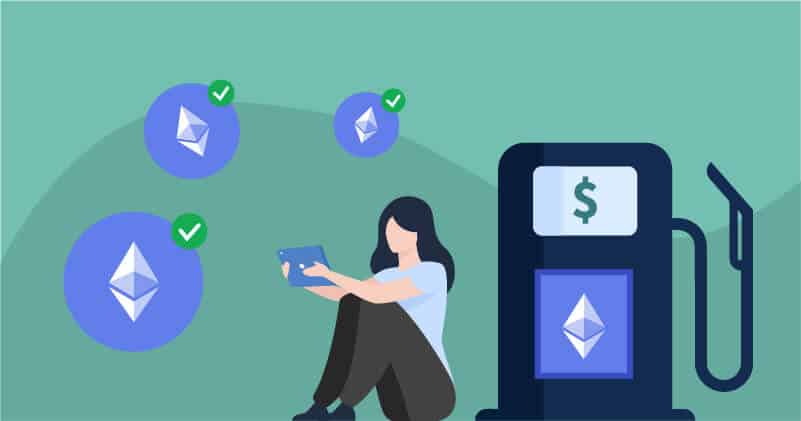
On Sunday, November 10, 2025, the Ethereum gas fee benchmark dropped to a historic low of 0.067 Gwei on the base layer of the Ethereum blockchain.
For users, this translates into ultra-low transaction costs: token swaps around US$0.11, NFT transfers near US$0.19, and cross-chain bridging around US$0.04. The drop in the ethereum gas fee has spurred increased on-chain activity, especially among smaller traders and hobbyists who had previously been deterred by higher costs.
The shift reflects major changes in network usage and architecture. Following the Dencun upgrade in March 2024, transaction costs on layer-2 networks soared in importance, relieving congestion on the main chain—and contributing to the sharp decline in the ethereum gas fee.
While users celebrate the low fees, the fall in the ethereum gas fee also raises questions about how the network finances itself and rewards validators in a world of multi-layer protocols.
The dramatic fall in the ethereum gas fee is not just a user-benefit—it carries deeper implications for blockchain economics and security. Analysts report that revenue on Ethereum’s base layer has dropped by nearly 99% since the Dencun upgrade, with validators earning significantly less from transaction fees.
“Ultra-low fees may signal weakening network demand or a temporary lull in activity,” — industry analyst, in a statement to The Cryptonomist.
In Ethereum’s proof-of-stake model, validators rely on staking rewards, fees, and MEV (maximum extractable value) to sustain their operations. When the ethereum gas fee falls dramatically, the balance between accessibility for users and sufficient incentives for validators becomes delicate. If revenue struggles, the network’s decentralised security model could face pressure.
Industry commentary warns that the drop of the ethereum gas fee reflects a structural shift: activity is moving to layer-2 networks such as Arbitrum, Optimism or Base. While this improves user cost and scalability, it also channels fee income away from the main chain.
As one expert puts it: “The challenge is finding a model that preserves low transaction costs for users while maintaining the main layer’s security budget.” Blockchain strategist, in comment to OneSafe blog.
For users and developers of Ethereum, the low ethereum gas fee presents both an opportunity and a signal. On the opportunity side, transactions and smart-contract experimentation become far cheaper and more accessible—opening the door to broader participation and innovation. Smaller token swaps or on-chain interactions that were previously uneconomical now become viable.
However, the low ethereum gas fee also places strategic decisions on projects and the ecosystem. Developers must anticipate whether the trend holds or reverses, and build accordingly. For infrastructure providers and validators, the ethereum gas fee drop requires adjustment in business models and cost-structures.
In the broader ecosystem, the dynamic influences competition among blockchains. Networks that promise very low fees gain user appeal, but if those fees undermine the security or incentive structure of the parent chain (in this case Ethereum), the long-term value proposition may be challenged.
The steep fall in the ethereum gas fee sets the stage for several key indicators to monitor:
For crypto investors, developers and infrastructure stakeholders, the collapse in the ethereum gas fee represents more than a cost-reduction moment—it may mark a turning point in network economics and competitive positioning.
Bottom line: The ethereum gas fee has collapsed to a new low, delivering excellent value for users but raising serious governance and sustainability questions for the network. As the ecosystem adapts, how Ethereum resolves the tension between affordability and security will shape its trajectory.



Copyright © 2025 - The Bit Gazette.

