







- Trending
- Comments
- Latest

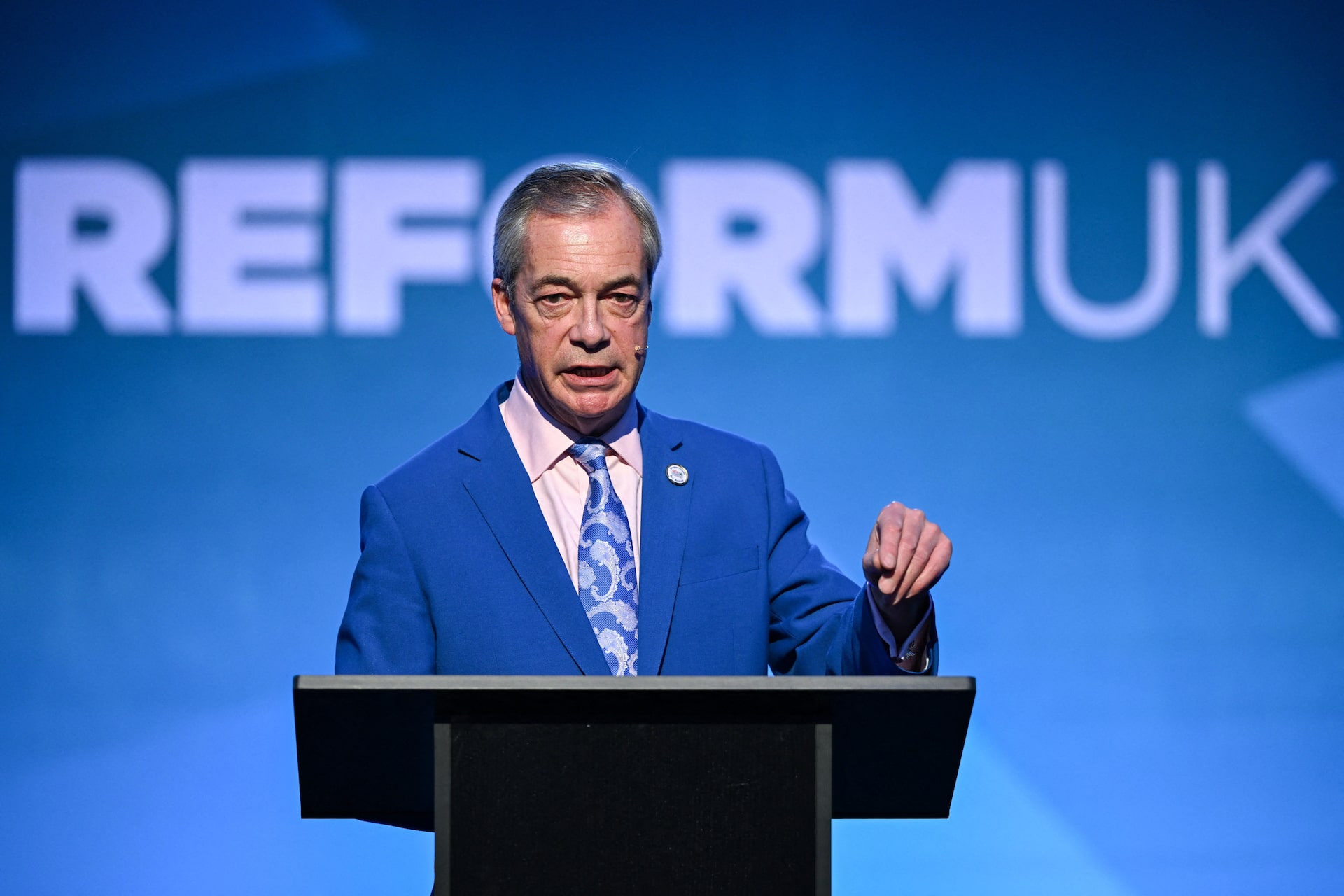
Reform UK leader Nigel Farage resigned as MP for Clacton on July 7, triggering a by-election he intends to contest, as Parliament’s standards watchdog investigates a £5 million gift from crypto billionaire Christopher Harborne and undeclared support from longtime associate George Cottrell.
The announcement came as the UK’s Parliamentary Commissioner for Standards investigates allegations surrounding undeclared financial support.
With over £5 million gift included in the investigation from crypto billionaire Christopher Harborne and additional assistance allegedly provided by longtime associate George Cottrell.
Farage denies wrongdoing, arguing the support was either exempt from parliamentary disclosure rules or unrelated to his parliamentary duties.
At the center of the controversy is Christopher Harborne, a Thailand-based investor known for his significant involvement in the cryptocurrency industry and his financial backing of Reform UK.
According to reports, the Parliamentary Commissioner for Standards is examining whether Farage should have declared a £5 million gift received before entering Parliament.
Farage has maintained that the money was intended to cover his personal security following multiple attacks during the 2024 general election campaign and therefore did not require declaration under parliamentary rules.
Investigators are reviewing whether that interpretation complies with Westminster’s disclosure requirements.
The investigation has also expanded to examine other forms of financial support allegedly provided by George Cottrell, a longtime Farage associate who previously served a prison sentence in the United States for fraud-related offenses before becoming involved in crypto-related ventures.
Authorities are assessing whether any benefits should have been formally declared under parliamentary standards rules. Farage has denied any intentional wrongdoing.
Announcing his resignation, Farage framed the decision as an appeal directly to voters rather than Parliament.
“The people of Clacton should be the judges of my actions. This will be a people-versus-the-establishment by-election.” — Nigel Farage, Leader of Reform UK.
The investigation underscores how digital asset entrepreneurs have become increasingly influential political donors across major democracies.
In recent years, crypto executives and investors have emerged as major contributors to election campaigns in the United Kingdom, the United States, and Europe, raising fresh questions about transparency, disclosure standards, and the role of digital wealth in shaping public policy.
Harborne has previously donated substantial sums to political organizations, making him one of the UK’s best-known crypto-linked political financiers.
While political donations themselves are legal when they comply with UK regulations, disclosure requirements remain a critical safeguard for maintaining public confidence.
Farage has repeatedly positioned himself as a supporter of cryptocurrency innovation, advocating policies designed to make the UK more competitive in digital assets.
Farage’s resignation immediately drew criticism from political opponents, who argued the move was intended to interrupt or delay parliamentary scrutiny.
Prime Minister Keir Starmer described the decision as a distraction from the ongoing investigation.
“It’s a desperate stunt designed to distract from serious allegations.” — Keir Starmer, Prime Minister of the United Kingdom.
Farage rejected those accusations, insisting he has complied with the rules and arguing that voters not Westminster should decide his political future.
Political analysts note that although resigning temporarily pauses parliamentary proceedings connected to his seat, any standards investigation could resume if Farage is re-elected. Depending on its outcome, he could still face disciplinary measures in the future.
While the by-election is fundamentally a political event, it carries broader implications for the cryptocurrency sector.
Institutional investors increasingly recognize that regulatory outcomes are influenced not only by legislation but also by the political relationships surrounding digital asset advocates and major industry donors.
Cases involving high-profile crypto financiers can shape public perceptions of the industry, influence future disclosure requirements, and affect policymakers’ willingness to support crypto-friendly initiatives.
The Farage investigation also highlights a growing trend: cryptocurrency wealth is no longer confined to venture capital, exchanges, or blockchain startups.
It is becoming an increasingly visible force in political financing, placing digital asset entrepreneurs under the same public scrutiny long associated with traditional financial donors.
Regardless of the by-election’s outcome, the episode is likely to intensify calls for stronger transparency around political donations linked to the crypto sector.
For investors, the story serves as another reminder that regulatory risk extends well beyond markets and into the political institutions responsible for shaping the industry’s future.



Copyright © 2025 - The Bit Gazette.

