

- Trending
- Comments
- Latest

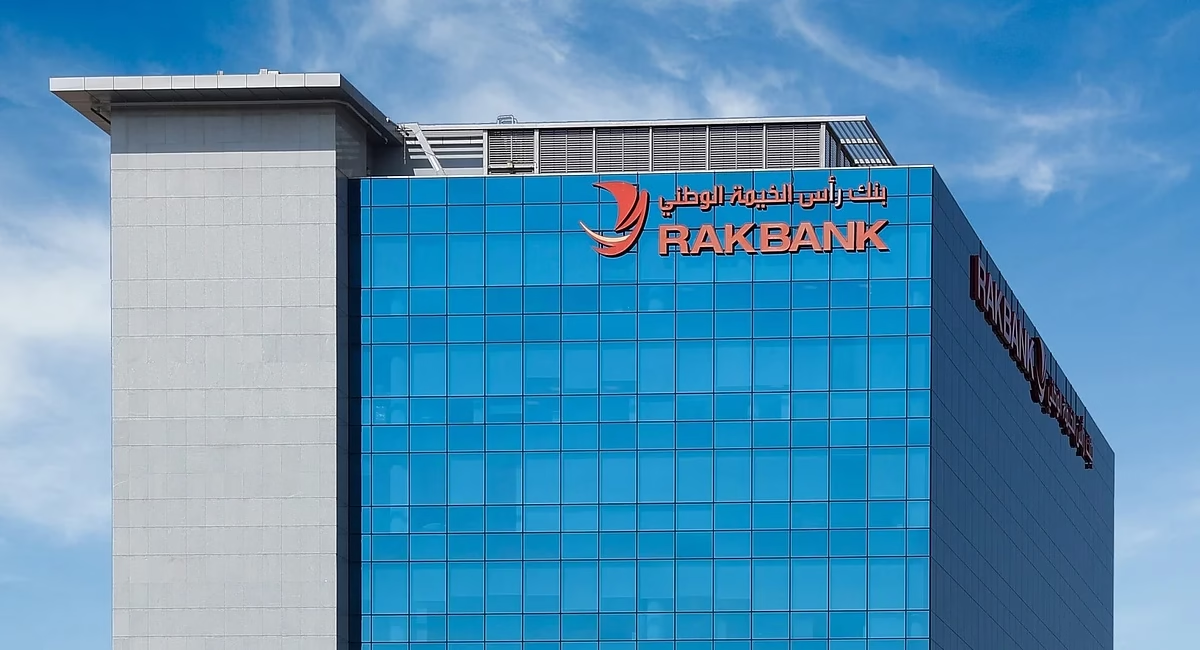
RAK Bank has received in-principle approval from the Central Bank of the UAE to issue a dirham-backed stablecoin, making it the second licensed bank in the country to move forward with regulated digital currency issuance.
The approval, announced Tuesday, marks a significant milestone in the UAE’s push to build blockchain-based payment infrastructure within its traditional banking system.
The approval, announced on January 7, 2026, allows RAK Bank to proceed with plans to issue a dirham-backed stablecoin, subject to the completion of regulatory and operational requirements set by the CBUAE.
The bank said further details on the pilot phase and any potential expansion will be communicated once final approvals are secured.
According to the bank’s press release, the initiative forms part of RAK Bank’s broader digital assets journey and reflects its commitment to aligning with the UAE’s national digital economy framework.
With this move, RAK Bank is set to become the second bank in the country to issue a regulated dirham-backed stablecoin, underscoring the accelerating pace of institutional adoption in the sector.
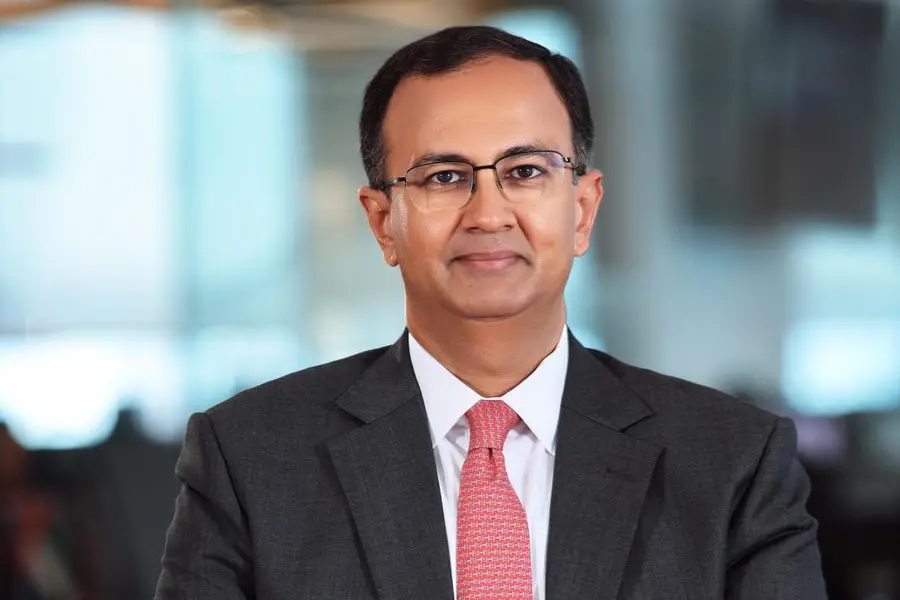
Raheel Ahmed, Group CEO of RAK Bank, said the in-principle approval highlights the bank’s emphasis on innovation within a regulated environment.
“This in-principle approval reflects our focus on responsible innovation, regulated and built on trust,” Raheel Ahmed, Group CEO, RAK Bank.
He added that the milestone coincides with the bank’s long-term vision.
“As we mark our 50th anniversary, we remain committed to developing solutions that are designed around our customers’ needs and aligned with the UAE’s vision for a future-ready financial system,” — Raheel Ahmed, Group CEO, RAK Bank.
RAK Bank said its proposed dirham-backed stablecoin is designed to combine the stability associated with traditional banking with the efficiency of blockchain technology. The digital asset will be backed 1:1 by the UAE dirham and structured to support full redemption at par value.
Key features outlined in the announcement include audited smart contracts and real-time reserve attestations aimed at enhancing transparency and trust.
By anchoring the token directly to fiat reserves and regulatory oversight, the bank is positioning the dirham-backed stablecoin as a payment and settlement tool suitable for both retail and institutional use cases.
This is not RAK Bank’s first engagement with crypto-related services. In 2025, the bank announced plans to allow its retail customers to trade cryptocurrencies through Dubai-regulated exchange Bitpanda, signaling an incremental approach toward digital asset adoption that now extends into stablecoin issuance.
RAK Bank’s announcement comes amid a broader push across the UAE financial sector to develop a dirham-backed stablecoin ecosystem.
In October, Dubai’s Department of Finance (DoF), working with the Dubai Land Department (DLD), Digital Dubai Authority, and Foris Dax represented by Crypto.com and Emirates NBD, successfully piloted crypto-to-AED payment settlements for government service fees.
The DLD said the test transaction was conducted for the “Issuance of a Property Map” service, describing the initiative as part of efforts to evaluate new technologies within a secure environment ahead of a wider rollout.
Separately, First Abu Dhabi Bank (FAB) has disclosed plans to issue its own dirham-backed stablecoin, which will be built on the ADI Chain. The project is being developed by the ADI Blockchain Foundation with backing from sovereign investor ADQ and investment firm IHC, reflecting growing institutional confidence in regulated digital currency models.
Despite the recent announcements, RAK Bank and FAB are not the first movers. Al Maryah Community Bank (MBANK) was the first UAE bank to issue a regulated dirham-backed stablecoin, known as AE Coin.
The token has already been integrated across several government entities and private sector companies, providing a working example of how stablecoins can be embedded into real-world payment systems.
The increasing number of bank-led initiatives highlights intensifying competition in the UAE’s stablecoin landscape. While global players such as Tether were among the earliest to signal plans for an AED-pegged token, those efforts have yet to materialize, leaving domestic institutions to define the regulatory and operational standards for the dirham-backed stablecoin market.
As more banks seek approval and pilots move closer to commercial deployment, the UAE is positioning itself as a regional leader in regulated stablecoin issuance—using the dirham-backed stablecoin as a bridge between traditional finance and blockchain-based infrastructure.



Copyright © 2025 - The Bit Gazette.