
- Trending
- Comments
- Latest

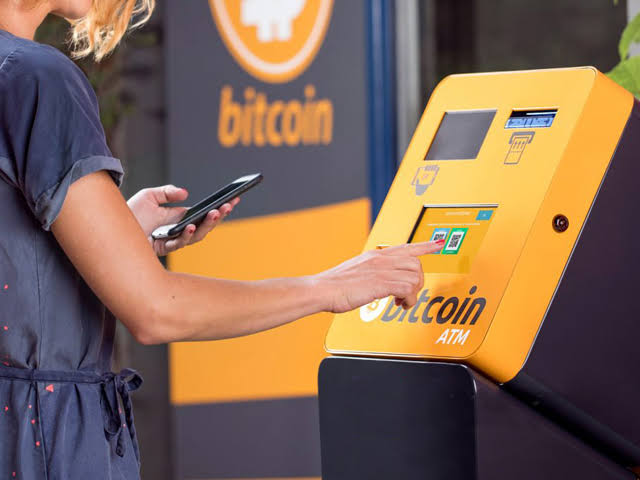
Smith County officials convened an emergency meeting on June 23 to discuss banning cash-to-crypto kiosks after a surge in fraud cases, including one in which an elderly resident lost $13,000 to a Georgia inmate posing as a sheriff’s deputy, prompted the county sheriff, state legislators, and federal crime investigators to demand immediate action.
The meeting, convened by Smith County Sheriff Larry Smith, brought together key stakeholders including Texas Senator Bryan Hughes, State Representatives Cole Hefner and Daniel Alders, as well as Jeff Roberts, Captain of the Texas Federal Crimes Intelligence Center. Officials said the gathering was prompted by a surge in reports involving cryptocurrency kisok scams, many of which target elderly residents through deceptive phone calls and impersonation schemes.
As losses mount across the region, authorities say urgent action is needed to prevent more East Texans from becoming victims.
Law enforcement agencies across Virginia have reported a growing number of cases involving cryptocurrency kisok scams, where fraudsters manipulate victims into depositing cash into Bitcoin or cryptocurrency kiosks under false pretenses.
According to officials, the scams often begin with a phone call designed to create panic and urgency. Victims are told that a loved one is in trouble, that they owe money to authorities, or that immediate payment is required to avoid legal consequences. They are then directed to deposit cash into a cryptocurrency kiosk, after which the funds are transferred and become nearly impossible to recover.
Sheriff Smith called the meeting amid concerns that the increasing sophistication of these schemes is making residents more vulnerable.
The issue has become particularly concerning for older adults, who are frequently targeted by scammers exploiting fear and confusion to obtain funds quickly.
One recent case highlighted the emotional manipulation commonly associated with cryptocurrency kisok scams.
Smith County resident Tammy Humes told KETK News that she received a phone call earlier this month from what appeared to be a local wireless number. The caller urgently claimed that her daughter had been involved in a car accident and needed money to have her vehicle towed.
Adding credibility to the deception, Humes said she could hear a woman in the background shouting, “Mom!”
Fortunately, Humes recognized warning signs before sending any money. However, authorities say many others have not been as fortunate.
The emotional pressure tactics used in cryptocurrency kisok scams often convince victims to act before verifying the information, increasing the likelihood of financial loss.
Officials warn residents to independently confirm any emergency involving family members before sending money or sharing personal information.
One of the most significant recent cases occurred in May when an elderly Smith County woman lost $13,000 in a fraud scheme linked to cryptocurrency kisok scams.
According to authorities, a Georgia inmate allegedly orchestrated the operation by posing as an employee of the sheriff’s office. The suspect instructed the victim to deposit funds into a local cryptocurrency kiosk.
The woman complied, transferring thousands of dollars before realizing she had been deceived.
Law enforcement later charged the suspect with theft from the elderly.
Officials say the case underscores how cryptocurrency kisok scams have evolved beyond simple phishing attempts into sophisticated operations capable of reaching victims across state lines.
The incident also highlights the challenges investigators face when attempting to recover cryptocurrency transactions, which are often irreversible once completed.
As concern over cryptocurrency kisok scams grows, officials participating in the Smith County meeting agreed that stronger measures may be necessary.
Participants argued that cash-to-crypto kiosks have increasingly become tools exploited by criminals to facilitate fraud. As a result, several attendees expressed support for legislation that would prohibit or significantly restrict the operation of such kiosks.
According to officials, outlawing cash-to-crypto kiosks could reduce opportunities for scammers to direct victims into making irreversible payments.
The sheriff’s office and local lawmakers pledged to strengthen public awareness campaigns while simultaneously pursuing legislative solutions aimed at preventing future cases of cryptocurrency kisok scams.
Authorities emphasized that education remains a critical defense against fraud, urging residents to remain skeptical of unsolicited requests for money and to report suspicious calls immediately.
As policymakers evaluate potential restrictions, the debate over cryptocurrency kiosks is likely to intensify, especially as communities grapple with the growing financial and emotional toll caused by cryptocurrency kisok scams.
For now, East Texas officials say their focus remains on protecting residents, increasing public awareness and ensuring that fraudsters are held accountable for exploiting vulnerable individuals through cryptocurrency kisok scams.
Source: KETK News (June 23, 2026)



Copyright © 2025 - The Bit Gazette.