






- Trending
- Comments
- Latest

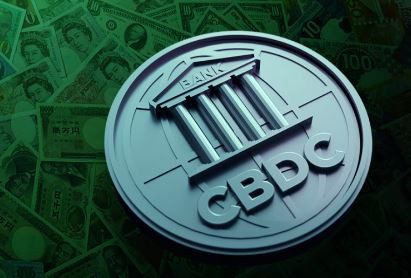
South Carolina Governor Henry McMaster has signed a cryptocurrency law that protects residents’ right to self-custody, shields mining operations from restrictive local rules, and bars state agencies from accepting or participating in any central bank digital currency programme.
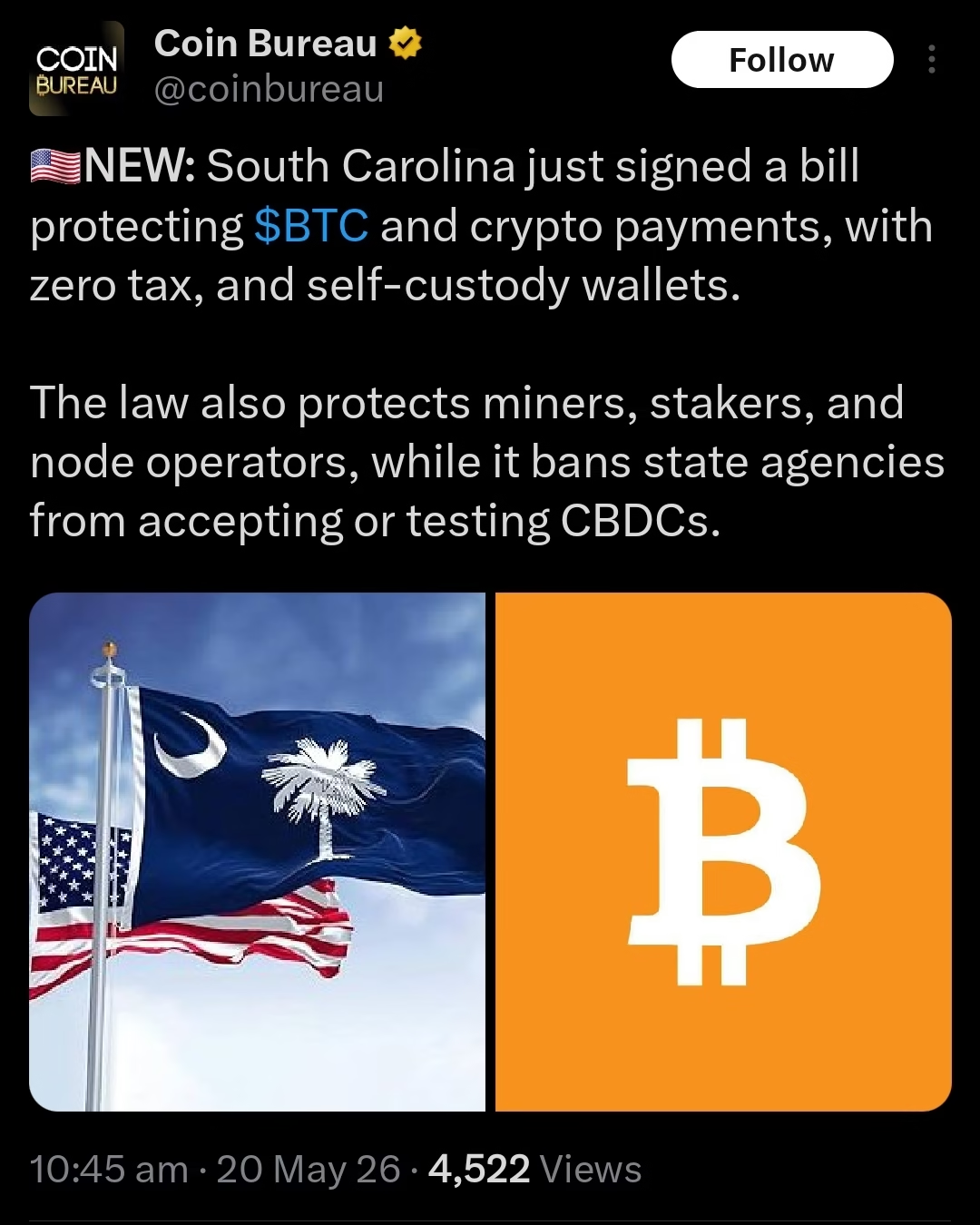
Governor Henry McMaster signed the legislation into law on Tuesday, marking a significant development in the state-level battle over crypto regulation in the United States.
The passage of Senate Bill S.163 establishes a comprehensive legal framework for digital assets in South Carolina and places the state among a growing number of U.S. jurisdictions adopting pro-crypto policies.
The legislation outlines protections for self-custody, exempts several blockchain activities from money transmitter licensing requirements, and prevents state entities from accepting or requiring payments in CBDCs.
The move comes as lawmakers across the United States continue to debate the future of digital assets, stablecoins, and government-issued digital currencies.
Under Senate Bill S.163, individuals and businesses in South Carolina cannot be prohibited from accepting cryptocurrencies as payment for goods and services. The law also protects the right of residents to hold digital assets through self-hosted wallets or hardware wallets without state interference.
According to the legislation, crypto transactions used for payments are exempt from “additional tax, withholding, assessment, or charge” imposed by state or local governments. The measure is aimed at preventing discriminatory taxation policies targeting cryptocurrency users.
“South Carolina has enacted new legislation establishing a comprehensive regulatory framework for cryptocurrency-related matters,” — The Block report on Senate Bill S.163.
The legislation also provides formal definitions for industry terms such as blockchain, digital assets, staking, wallets, nodes, and crypto mining. Supporters argue that these definitions offer greater legal clarity for businesses operating within the digital asset sector.
Another major provision within Senate Bill S.163 exempts several blockchain-related activities from money transmitter licensing requirements. These include crypto mining, operating blockchain nodes, developing onchain applications, and crypto-to-crypto trading.
The exemptions are expected to reduce compliance burdens for blockchain developers and infrastructure operators seeking to establish operations in the state.
One of the most closely watched aspects of Senate Bill S.163 is its explicit opposition to central bank digital currencies.
The law prohibits any state agency, department, board, commission, or political subdivision from accepting CBDCs as payment or participating in any Federal Reserve pilot program involving a government-issued digital currency.
“The legislation prohibits any state agency, board, commission, department, or political subdivision from accepting or requiring payment in central bank digital currency,” — The Block report detailing Senate Bill S.163.
The anti-CBDC language reflects broader concerns among some U.S. lawmakers and crypto advocates who argue that government-issued digital currencies could increase financial surveillance and reduce monetary privacy.
While the Federal Reserve has not announced plans to launch a U.S. CBDC, debates surrounding the technology have intensified over the past two years. Several Republican-led states have introduced legislation aimed at restricting or prohibiting the use of CBDCs within their jurisdictions.
By embedding anti-CBDC provisions into Senate Bill S.163, South Carolina joins a wider national movement seeking to limit state-level cooperation with potential federal digital currency initiatives.
The law also delivers strong support for crypto mining operations, a sector that has increasingly become a political and economic flashpoint in the United States.
Under Senate Bill S.163, local governments are prohibited from restricting crypto mining businesses in industrial zones or imposing sound-level requirements beyond existing local noise pollution rules.
“The new law bans state entities from accepting or requiring payments in CBDC, and offers strong support for crypto mining,” — The Block, in its summary of Senate Bill S.163.
The provision is designed to protect mining operators from local ordinances viewed by industry advocates as discriminatory or overly restrictive.
Crypto mining has faced increasing scrutiny in several U.S. states over concerns related to electricity consumption, environmental impact, and noise pollution. However, supporters argue that mining operations can strengthen local economies, create jobs, and stabilize energy infrastructure through flexible demand management.
Industry observers note that Senate Bill S.163 could make South Carolina more attractive to mining firms and blockchain infrastructure companies searching for regulatory certainty.
The enactment of Senate Bill S.163 follows similar legislative efforts in other states. In March 2025, Kentucky passed House Bill 701, which guaranteed residents the right to hold digital assets in self-hosted wallets and prohibited discriminatory local regulations targeting crypto mining businesses.
The growing trend highlights how U.S. states are increasingly shaping crypto policy independently while federal lawmakers continue debating nationwide regulatory frameworks.
Supporters of Senate Bill S.163 argue that the law promotes innovation and financial freedom, while critics of aggressive crypto regulation maintain concerns about oversight, consumer protection, and systemic risks.
Still, the legislation signals that South Carolina intends to position itself as a favorable destination for blockchain businesses, crypto developers, and digital asset investors.
As the national conversation surrounding cryptocurrency regulation evolves, Senate Bill S.163 may serve as a model for other states seeking to balance innovation, regulatory clarity, and resistance to federal digital currency initiatives.



Copyright © 2025 - The Bit Gazette.

