Tag: binance

  • Centralized exchanges underreport liquidations by up to 100x, Hyperliquid founder alleges after $19B crash

    Centralized exchanges underreport liquidations by up to 100x, Hyperliquid founder alleges after $19B crash

    The debate over CEX transparency issues resurfaced this week after Hyperliquid co-founder Jeff Yan accused Binance of underreporting user liquidations during the October 10–11 crypto market crash, which wiped out billions in leveraged positions.

    In a post on X (formerly Twitter), Yan argued that on-chain platforms like Hyperliquid provide a transparent and verifiable record of trades and liquidations, unlike centralized exchanges (CEXs) that, he claimed, obscure data.“Some CEXs publicly document that they dramatically underreport user liquidations,” he wrote, pointing directly to Binance.

    “Even if there are thousands of liquidation orders in the same second, only one is reported,” Yan added. “Because liquidations happen in bursts, this could easily be 100× underreporting under some conditions.”

    The comments quickly went viral, with many traders and analysts weighing in on the broader implications of CEX transparency issues and the need for greater accountability in centralized trading systems.

    CZ defends Binance’s actions, highlights “different value systems”

    Binance CEO Changpeng Zhao (CZ) responded indirectly to the accusations on X, emphasizing that Binance’s priority during the crash was protecting users, not engaging in public disputes.

    “While others tried to ignore, hide, shift blame, or attack competitors, the key @BNBChain ecosystem players (Binance, Venus, and more) took hundreds of millions out of their own pockets to PROTECT USERS,” CZ posted. He ended with the phrase “different value systems,” which many interpreted as a subtle rebuke of Yan’s comments on CEX transparency issues.

    Zhao’s defense came amid widespread frustration from traders, some of whom claimed that Binance’s systems temporarily froze during the market crash, preventing users from closing positions. Binance later issued a statement confirming that certain modules experienced short-term disruptions but denied that its core matching engines went offline.

    In a Binance blog update, the exchange clarified that “the platform remained fully operational throughout the event” and announced a $283 million compensation fund for affected users which is a move intended to restore confidence in its handling of liquidation events.

    Bitcoin crash intensifies spotlight on CEX transparency issues

    The tensions between Binance and Hyperliquid stem from one of the most significant liquidation cascades in crypto history. According to CoinGlass, the two-day market crash erased more than $19 billion in leveraged positions and impacted over 1.6 million traders globally.

    Bitcoin’s price plunged from $122,000 to $109,000 within hours, triggering mass liquidations across both centralized and decentralized exchanges. Hyperliquid, operating entirely on-chain, processed $50–70 billion in trading volume during the event without any downtime which is a stark contrast to the temporary service issues reported by several CEXs.

    “Transparency and neutrality are key advantages of decentralized infrastructure,” Yan said in his post, calling for the industry to adopt higher reporting standards to address persistent CEX transparency issues.

    Analysts say the episode underscores one of the crypto industry’s longest-running debates: the trade-off between the scalability and speed of centralized systems versus the auditability and trustlessness of decentralized alternatives.

    CEX transparency issues have been a recurring theme since the early days of crypto,” noted James Harris, senior analyst at CryptoCompare, in an interview with Decrypt. The lack of standardized reporting creates a trust gap, especially during market stress.

    Binance denies links to Hyperliquid, clarifies past investments

    In the aftermath of the spat, CZ addressed rumors that Binance had an ownership stake in Hyperliquid, clarifying that while Jeff Yan previously participated in Binance Labs’ first incubation program through a company called YZiLabs, the project failed, and Binance “did not recover its investment.”

    According to DefiLlama data, Hyperliquid has since emerged as one of the largest decentralized perpetual exchanges, with $319 billion in July trading volume as part of a record $487 billion across DeFi perpetual markets that month.

    The platform’s rapid growth and emphasis on verifiable data have made it a leading voice in the push for more transparent crypto trading infrastructure.

    “Decentralized systems inherently make CEX transparency issues obsolete,” said Yan in a follow-up interview with the Hong Kong Economic Times. “Everything is verifiable, auditable, and public.”

    Broader implications for market integrity

    The public back-and-forth between Yan and CZ has amplified calls for industry-wide reform around CEX transparency issues. Regulators in multiple jurisdictions including the U.S. Securities and Exchange Commission (SEC) and Hong Kong Monetary Authority (HKMA) have previously warned exchanges about misleading reporting and inconsistent disclosures.

    Centralized exchanges need to earn user trust through transparency, not just liquidity, said Clara Medrano, policy fellow at Blockchain Association, in a statement to CoinDesk. Events like this prove that opacity breeds skepticism, and skepticism leads to outflows toward DeFi platforms.

    As the dust settles, one thing is clear: the CEX transparency issues debate has become a flashpoint in crypto’s ongoing evolution. Whether the industry embraces decentralized verification or doubles down on internal reporting remains to be seen but the call for openness is louder than ever.
  • India hunts 400 wealthy crypto traders hiding Binance profits from 42% tax

    India hunts 400 wealthy crypto traders hiding Binance profits from 42% tax

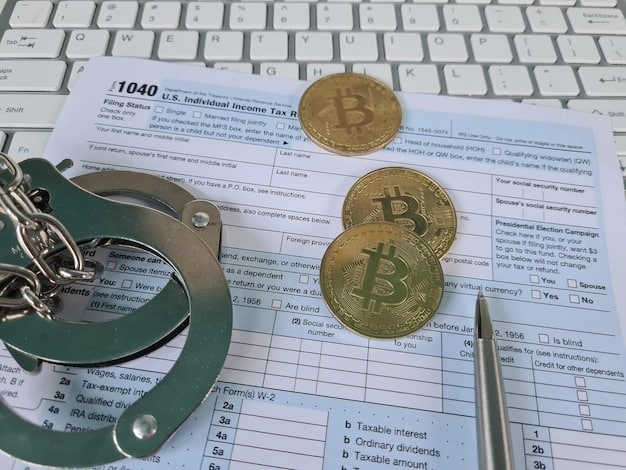
    India’s tax authorities are stepping up enforcement efforts in a sweeping India crypto tax crackdown, targeting more than 400 high-net-worth individuals (HNIs) accused of concealing digital asset profits. The move is part of a coordinated national effort to close loopholes in cryptocurrency taxation, particularly involving offshore exchanges such as Binance.

    According to officials, many investors failed to disclose their crypto holdings and profits on Binance, believing offshore storage could shield them from tax obligations. The Income Tax Department (I-T) confirmed that it is tracing undeclared trades and digital assets held between the 2022–23 and 2024–25 fiscal years.

    An internal communication circulated to regional tax offices has directed the Central Board of Direct Taxes (CBDT) to compile and report findings by October 17. “The investigation wing of the I-T department across major cities has been mobilized to identify and act on potential non-disclosures,” a senior CBDT official reportedly told local media.

    The campaign underscores India’s renewed commitment to enforcing India crypto tax compliance amid growing concerns that wealthy traders are using offshore accounts and stablecoins to evade taxes.

    Crypto Tax Fraud Conviction
    Crypto Tax Crackdown 

    Complex trading patterns drive crypto tax evasion

    Under India’s current tax regime, crypto gains are taxed at rates ranging between 33% and 42%, depending on income brackets, in addition to a 1% tax deducted at source (TDS) on every crypto sale. Despite these provisions, many investors have reportedly exploited blockchain anonymity to mask profits.

    “The tax department is empowered to issue a summons to confirm if due reporting is being done while filing the return of income by the taxpayer,” Siddharth Banwat, Chartered Accountant, Mumbai. He added that taxpayers who have taken “an aggressive position and not reported the income” still have an option to rectify it by filing an updated return, albeit at an additional tax cost.

    Officials noted that many cases involve multi-layered crypto transactions where users move assets between wallets, exchanges, and stablecoins, making enforcement difficult. For example, a trader might buy USDT, transfer it to an offshore Binance wallet, exchange it for Bitcoin, and later cycle profits back through the same token, all without declaring these movements for India crypto tax purposes.

    This pattern of trading complicates tax oversight and increases the likelihood of unintentional non-compliance, particularly when traders fail to declare such holdings under the Foreign Assets (FA) schedule of India’s Income Tax Return (ITR) form.

    Binance cooperation boosts data transparency

    The enforcement drive gains strength following Binance’s registration with India’s Financial Intelligence Unit (FIU) earlier this year. The registration requires Binance to report suspicious crypto transactions and share user data with Indian authorities, a development seen as critical to improving India crypto tax transparency.

    India’s FIU serves as the central body for monitoring and investigating money laundering and illicit fund flows. Its arrangement with Binance now allows authorities to trace Indian users’ transactions that might previously have gone undetected.

    Many traders who believed offshore transactions were beyond scrutiny are now under investigation. “Investors who moved digital assets abroad under the assumption that they would escape India crypto tax scrutiny are now realizing that these transactions are traceable,” said a senior FIU source familiar with the investigation.

    Under India’s Liberalized Remittance Scheme (LRS), residents can invest up to $250,000 annually in foreign assets, but most banks require clients to declare that these funds will not be used for crypto-related activities. However, authorities say several investors circumvented this by transferring funds through third-party accounts and failing to report their digital holdings overseas.

    Policy implications for India’s digital economy

    The ongoing India crypto tax investigations highlight the government’s increasing vigilance toward digital asset regulation and cross-border money flows. With over 115 million crypto users, India remains one of the world’s largest cryptocurrency markets, but compliance gaps persist.

    Analysts suggest that stricter enforcement could push investors toward greater transparency while also prompting the government to refine its tax framework to accommodate evolving blockchain technologies.

    As authorities prepare their findings ahead of the October 17 deadline, the message from New Delhi is clear: tax evasion in the crypto sector, particularly under the India crypto tax regime will face tougher scrutiny and possible penalties.

  • Binance Alpha Token plunges 99% in two minutes as whale wallets control 97% of supply

    Binance Alpha Token plunges 99% in two minutes as whale wallets control 97% of supply

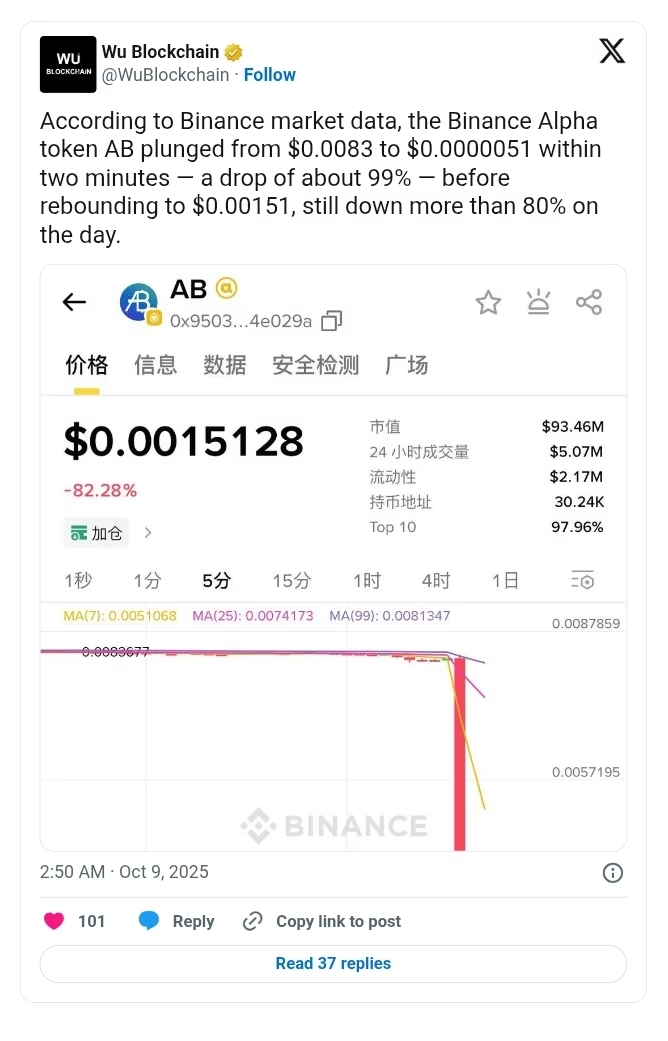
    Binance Alpha Token lost 99% of its value in two minutes Wednesday morning, crashing from $0.0083 to $0.000005 in what analysts attribute to extreme wallet concentration, with blockchain data showing 10 addresses controlling 97% of the token’s total supply.

    The abrupt crash has quickly become one of the steepest intraday declines of any asset listed on Binance this year. Analysts say the volatility surrounding Binance Alpha Token underscores the growing risks in newly listed or lightly traded crypto assets.

    During the crash, trading volume spiked dramatically, with more than 573,000 AB tokens exchanged within minutes, generating over $5 million in 24-hour volume. Despite the surge, liquidity remains low at roughly $2.17 million, while the token’s market capitalization hovers near $93 million.

    Adding to concerns, data shows that over 97% of Binance Alpha Token’s total supply is held by its top 10 wallets a concentration that leaves the asset highly vulnerable to market manipulation or liquidity shocks.

    Concentrated ownership and liquidity concerns

    The sudden collapse of Binance Alpha Token has reignited debate over the structural risks of tokens with limited holder diversity. When a handful of wallets control the majority of supply, any large sale or internal movement can trigger cascading effects across the order book.

    Market observers suggest several possible explanations for the incident. One theory points to a “whale dump” where a large holder intentionally or accidentally liquidates their position. Such concentrated ownership makes Binance Alpha Token particularly susceptible to these sudden liquidity drains.

    Another explanation could be a technical malfunction or trading algorithm error. In the fast-moving world of decentralized finance, flash crashes can be triggered by a mispriced oracle feed or an automated system reacting to incorrect data.

    “These types of flash crashes frequently happen when price oracles provide inaccurate values to automated systems, or when trading algorithms interpret market data incorrectly,” according to market analysts familiar with similar incidents.

    Possible oracle or smart contract malfunction

    The Binance Alpha Token event also raises questions about the reliability of smart contracts and automated liquidity systems on new projects. A temporary withdrawal of liquidity by a market maker could have left order books unusually thin, making the asset prone to slippage.

    In such cases, even a small volume of sell orders can trigger massive downward spirals. Industry experts note that in emerging crypto ecosystems, the removal of liquidity pools, known as a “liquidity pull” can drastically distort price action within seconds.

    Although Binance has yet to issue an official statement on the crash, market participants are closely monitoring the situation. Many traders have expressed frustration on social media, demanding transparency regarding the causes behind the price collapse.

    As of publication, the token continues to trade erratically, and confidence remains low among investors.

    What’s next for Binance Alpha Token?

    With no clear cause identified, uncertainty continues to cloud the outlook for Binance Alpha Token. Analysts warn that its extreme price concentration and limited liquidity make it one of the riskiest tokens currently on Binance.

    “The high volatility emphasizes the dangers of newly launched or thinly traded tokens,” said a blockchain market researcher. “Especially those with a high holder concentration, which can make price movements unpredictable.”

    Until Binance provides clarification or stabilization measures, investors are being urged to proceed with caution. For now, staying on the sidelines may be the most prudent choice, as the full extent of the market damage and potential recovery remains unclear.

  • BNB hits record $1,280 as chain surpasses Solana with 58 million active addresses

    BNB hits record $1,280 as chain surpasses Solana with 58 million active addresses

    BNB, the native cryptocurrency of BNB Chain, surged to an all-time high of $1,280 on October 7, driven by explosive growth on the Aster decentralized exchange and surging network activity that overtook Solana to become the blockchain industry’s most active network.

    According to data from TokenTerminal, BNB Chain’s monthly active addresses hit 58 million, surpassing Solana’s 38.3 million to become the most active blockchain network. The unprecedented blockchain activity surge reflects a sharp increase in on-chain usage and developer engagement, a clear signal that demand for decentralized finance (DeFi) products on BNB Chain is accelerating.

    Institutional momentum and DeFi growth lead the charge

    The latest blockchain activity surge was fueled by Aster, a decentralized exchange that saw its total value locked (TVL) jump more than 500% to $2.4 billion, according to DeFiLlama. Analysts attribute this growth to both the platform’s innovative liquidity features and increasing institutional adoption of DeFi protocols.

    “This acquisition enables Ondo to expand access as the tokenized securities market rapidly accelerates, predicted to exceed $18 trillion by 2033,” the announcement noted.

    BNB’s role within Binance’s ecosystem offering transaction fee discounts and powering numerous smart contracts, has further amplified its appeal. Trading volumes also spiked beyond the 24-hour average during the rally, suggesting broad participation and robust investor sentiment.

    “This level of network activity underscores how demand for real-world DeFi solutions continues to expand even amid market uncertainty,” TokenTerminal data analyst, in a statement.

    Partnership with Chainlink adds regulatory credibility

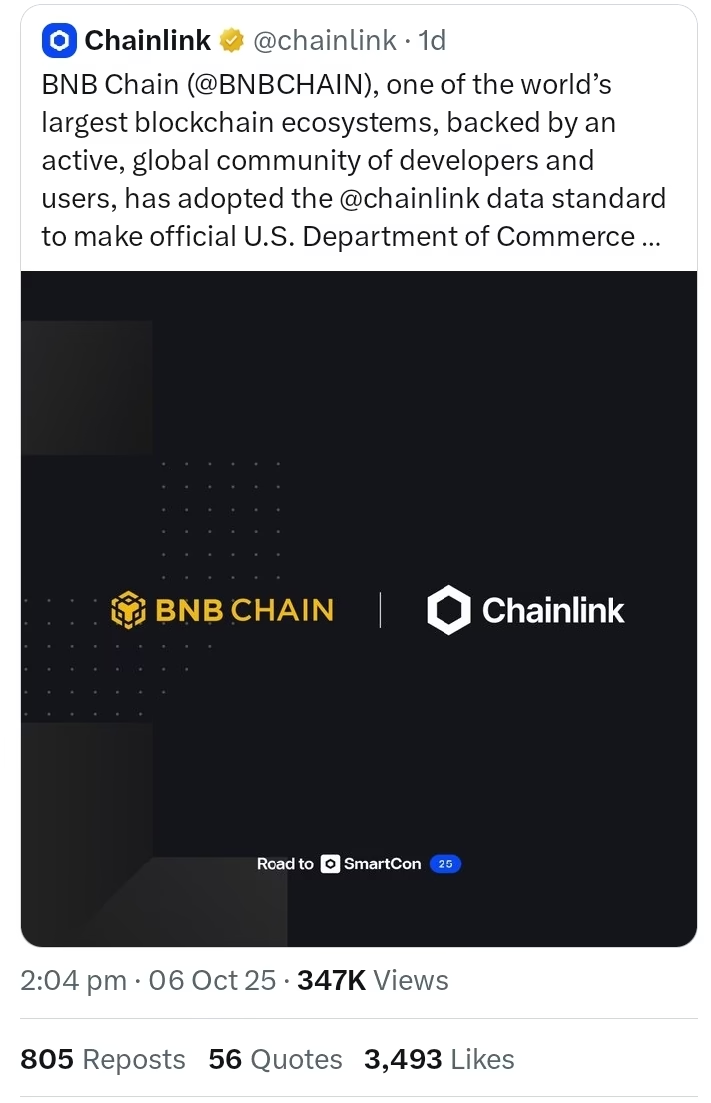
    The blockchain activity surge also coincides with BNB Chain’s new partnership with Chainlink, aimed at integrating official U.S. economic data on-chain. The collaboration seeks to bolster transparency and data reliability in DeFi applications a key step in attracting traditional finance (TradFi) institutions.

    The partnership could position BNB Chain as a compliant, data-driven hub for global blockchain projects. “Bringing reliable off-chain data on-chain is crucial to the next phase of financial innovation,” Chainlink spokesperson, in the official statement.

    The integration aligns with Binance’s broader effort to bridge decentralized and regulated financial systems, enhancing both trust and scalability within its ecosystem.

    Market outlook and investor sentiment

    While the blockchain activity surge has propelled BNB to outperform the wider market, sustainability remains tied to continued ecosystem growth. The CoinDesk 20 (CD20) index rose only 0.3% in the same period, underscoring BNB’s relative strength.

    Market analysts suggest that a potential U.S. Federal Reserve rate cut could further benefit risk assets, including cryptocurrencies like BNB. The broader crypto rally has been supported by delays in U.S. economic data amid the government shutdown, creating favorable conditions for speculative assets.

    As BNB cements its leadership in network usage and partnerships, investors are watching closely to see if this blockchain activity surge represents a structural shift or a temporary rally.

  • Binance pledges $150,000 for Monsoon flood victims across nine Indian states

    Binance pledges $150,000 for Monsoon flood victims across nine Indian states

    Binance has committed $150,000 to flood relief efforts across nine Indian states through a partnership with disaster response NGO Goonj, the exchange announced October 6.

    The funds will provide emergency supplies including food, clean water, hygiene kits, and temporary shelter materials to communities affected by severe monsoon flooding in Uttarakhand, Punjab, Bihar, West Bengal, Odisha, Karnataka, Rajasthan, Uttar Pradesh, and Assam. The 2025 monsoon season has displaced thousands of families according to India’s National Disaster Management Authority.

    Partnership with Goonj ensures effective response

    The Binance Charity Pledge partners with Goonj, a leading Indian NGO founded by Anshu Gupta, known for its community-based disaster response. Gupta described the flooding as catastrophic and emphasized the need for cross-sector collaboration.

    Tech-driven giving for long-term recovery

    Beyond immediate aid, the Binance Charity Pledge aligns with Binance’s vision of “Web3 for Social Good,” integrating technology into humanitarian work.

    “We believe technology should serve people,” Manupati added. “The Binance Charity Pledge demonstrates how innovation can drive accountability in global relief.”

    As India begins rebuilding after weeks of heavy rains, the Binance Charity Pledge represents more than financial assistance, it is a model for transparent, sustainable disaster recovery. By combining digital innovation with grassroots expertise, Binance and Goonj are setting a precedent for tech-driven compassion in crisis response.

  • BNB Chain regains hacked account after $13k phishing attack

    BNB Chain regains hacked account after $13k phishing attack

    The BNB Chain hack briefly compromised the project’s official X account on October 1, 2025, allowing attackers to post phishing links that led to financial losses. According to the BNB Chain team, the account has since been fully restored, with all malicious content removed.

    Preliminary findings show that the hackers shared ten phishing links, luring users into interacting with fake smart contracts. These actions resulted in approximately $8,000 in losses, including a single user who lost $6,500. Additional manipulation of a phishing contract allowed the attackers to inject $17,800 and withdraw meme tokens worth $22,000, generating an extra $4,000 profit. Combined, the BNB Chain hack yielded about $13,000 in illicit gains.

    In its official update, the BNB Chain team reassured its community:

    “We’re back! The team has regained full access of the @BNBCHAIN account. The root cause of this breach is still under active investigation and we will share the updates as soon as we can. The estimated damage is $8K and the victims will be…” — BNB Chain, official statement on X.

    Binance confirms compensation for victim

    Binance founder Changpeng Zhao (CZ) addressed the incident, confirming that all affected users will be reimbursed. He also provided perspective on the relatively small financial impact compared to the potential scope of such an attack.

    “Hacker got $13K. Security teams are still tracking, with a possible linked KYC. He could have made more by building,” — Changpeng Zhao, Binance founder.

    CZ stressed the importance of distinguishing between social media breaches and the security of the blockchain itself, noting that most of the Binance community did not fall for the phishing scam. He highlighted the resilience of users against social engineering tactics.

    Market reaction remains steady despite BNB Chain hack

    Despite the breach, Binance Coin (BNB) has remained resilient. Data from crypto.news shows BNB trading at $1,033, reflecting a 2.47% gain over the past 24 hours and a 1.45% increase over the week. Analysts suggest the stability reflects strong investor confidence in the platform’s long-term fundamentals, even as social media vulnerabilities are exposed.

    The BNB Chain hack underscores the risks tied not to blockchain technology itself, but to human and social media vulnerabilities. For crypto investors, the incident serves as a reminder of the importance of vigilance against phishing attempts, even from seemingly verified sources.

    Strengthening security to prevent future attacks

    BNB Chain has pledged to continue investigating the root cause of the hack and share further details with its community. The protocol reiterated its commitment to enhancing defenses against similar incidents.

    The team’s swift recovery of the compromised account and immediate removal of phishing content prevented the incident from escalating further. For now, the promise of full reimbursement offers relief to victims and may help reinforce trust within the BNB ecosystem.

    As the crypto industry grows, the BNB Chain hack highlights the increasing need for robust security protocols, not only within blockchain networks but also across their wider digital presence, including social media platforms.

  • Kazakhstan launches national crypto reserve with Binance, commits $1B to BNB

    Kazakhstan launches national crypto reserve with Binance, commits $1B to BNB

    Kazakhstan has launched a state-backed crypto reserve fund with Binance as its first partner and BNB as its initial asset. The Alem Crypto Fund, unveiled by the Ministry of Artificial Intelligence and Digital Development, is managed by Qazaqstan Venture Group within the Astana International Financial Centre.

    Deputy Prime Minister Zhaslan Madiyev said the Kazakhstan National Crypto Reserve aims to be “a reliable instrument for major investors and a key foundation for digital state reserves.” He added that the reserve could evolve into a state-level savings mechanism, underscoring the strategic value of BNB in Kazakhstan’s digital economy.

    Nurkhat Kushimov, General Manager of Binance Kazakhstan, called the move “a new chapter for institutional recognition of cryptocurrencies in Kazakhstan.”

    Binance TROY Deposit Suspension
    Kazakhstan launches national crypto reserve with Binance, commits $1B to BNB

    BNB at the heart of Kazakhstan’s digital asset strategy

    The decision to anchor the Kazakhstan National Crypto Reserve with BNB highlights the government’s focus on established and widely adopted tokens. With a market capitalization of more than $138 billion, BNB is one of the most reputable digital assets, serving as the native token of the BNB Chain, where it is used for transaction processing, fee payments, and governance participation.

    The initiative follows President Kassym-Jomart Tokayev’s directive to build a state-backed crypto reserve through the National Bank’s Investment Corporation. Tokayev has pledged up to $1 billion in funding to promote high-tech and fintech innovation, alongside plans to expand the use of the digital tenge and strengthen cybersecurity with a national anti-fraud center.

    Regulatory groundwork for digital payments

    Kazakhstan has been steadily building regulatory infrastructure to support the Kazakhstan National Crypto Reserve. Earlier this month, during the Astana Finance Days, the country approved stablecoin payments for regulatory fees. Bybit became the first exchange to sign a Memorandum of Understanding with the Astana Financial Services Authority, enabling fee settlement in dollar-pegged stablecoins.

    This is a first-of-its-kind regulatory framework for payments in stablecoins in the region,” said Evgeniya Bogdanova, CEO of the Astana Financial Services Authority (AFSA).

    In July, National Bank Chairman Timur Suleimenov confirmed that parts of Kazakhstan’s gold and foreign exchange reserves, as well as National Fund assets, may be allocated to crypto-linked investments.

    He cautioned, however, that “there is no need to rush here,” acknowledging the volatility of digital assets even as potential for high returns remains.

    Kazakhstan has also taken steps to broaden access to crypto-based financial products. The Fonte Bitcoin ETF, launched in August on the Astana International Exchange, marked Central Asia’s first spot Bitcoin ETF. The physically backed fund, managed by Fonte Capital with custody by BitGo Trust, adds another layer to the nation’s crypto-linked investment ecosystem.

    From mining hub to CryptoCity

    The Kazakhstan National Crypto Reserve builds on the country’s broader crypto journey. Kazakhstan became a global mining hub in 2021 when Chinese miners relocated after Beijing’s crackdown, briefly controlling 27% of global Bitcoin mining before scaling down to 4% in 2023 due to energy strains and regulatory challenges.

    The government has since formalized the sector, licensing 84 mining firms with 64 currently active and registering more than 415,000 machines. Its “70/30 project” directs foreign investment into power plant upgrades, allocating 70% of new capacity to the national grid and 30% to licensed miners.

    President Tokayev has also announced plans for “CryptoCity” in Alatau, a pilot zone where everyday cryptocurrency payments will be tested under regulatory supervision. The proposed crypto banking system will handle exchanges, storage, and transaction processing, while embedding anti-money laundering compliance.

    The Kazakhstan National Crypto Reserve positions the country at the forefront of digital finance in Central Asia. By aligning with Binance and anchoring its fund in BNB, Kazakhstan is signaling its intention to balance innovation, regulation, and state-backed reserves to shape the future of digital assets.


  • CZ’s $10B family office YZi Labs weighs opening to external investors

    CZ’s $10B family office YZi Labs weighs opening to external investors

    Changpeng Zhao, better known as CZ, is considering opening his $10 billion family office, YZi Labs, to outside capital as the firm builds capacity and scales its investment strategy. The potential for a YZi Labs external investment has drawn interest from backers eager to align with Zhao’s capital and track record.

    Currently, YZi Labs manages Zhao’s wealth alongside funds from early Binance executives, including co-founder Yi He. The company invests primarily in crypto start-ups while also targeting biotech and artificial intelligence ventures.

    Chief executive Ella Zhang told the Financial Times that the firm could eventually convert into an external fund once its internal capabilities mature. She noted there is steady interest from outside backers, but emphasized that timing is crucial.

    Opening to outsiders would be a “huge responsibility,” Zhang said, stressing that the near-term focus is on hiring and deepening expertise in AI and biotech rather than rushing into a YZi Labs external investment.

    The 12-person team takes what Zhang called a “super long-term” view, reflecting Zhao’s preference for scale and patience over short-term returns.

    Binance roots and regulatory considerations

    If YZi Labs pursues a YZi Labs external investment strategy that includes US backers, it would likely trigger stricter oversight. The move would come against the backdrop of Washington’s shifting stance toward digital assets, which some industry figures view as more accommodative.

    Zhao co-founded Binance in 2017 and built it into the world’s largest cryptocurrency exchange. His majority stake cemented his position as one of the sector’s wealthiest founders.

    But his journey has been marked by regulatory setbacks. In 2023, Zhao pleaded guilty to a US criminal charge linked to anti-money laundering failures. Binance also admitted to sanctions violations, agreeing to pay more than $4.3 billion in penalties. US officials alleged the platform had failed to report suspicious transactions tied to crimes and terrorist groups.

    Zhao resigned from Binance and served a four-month sentence. Since then, he has sought a presidential pardon in the United States which is an effort that could shape the path forward for any YZi Labs external investment involving American capital.

    SEC interest and Silicon Valley shift

    Despite Zhao’s legal history, YZi Labs continues to attract regulatory and institutional attention. Zhang revealed that the US Securities and Exchange Commission requested a private showcase of YZi-backed portfolio companies after its chair was unable to attend a demo day at the New York Stock Exchange.

    She also noted that founders who had left the United States in recent years are now returning to Silicon Valley. The shift, she said, reflects an administration intent on promoting the US as a crypto hub. Some commissioners, Zhang added, appear “open minded” to innovation.

    This environment could play a pivotal role in the timing of a YZi Labs external investment, as regulatory openness may make it easier for the firm to welcome US-based limited partners in the future.

    Expanding strategies and treasury structures

    Deploying Zhao’s vast capital pool remains a challenge. Still, YZi Labs is steadily broadening its portfolio. About 70% of its assets remain in digital assets, but interest in artificial intelligence, biotech, and robotics is growing.

    The firm has leaned heavily into innovative crypto treasury structures. One strategy involves using public companies to raise funds for token purchases. For instance, YZi is pursuing a $1 billion deal with former Bitmain executives. In July, it also backed a plan to convert a Nasdaq-listed vape manufacturer into a BNB-focused treasury vehicle.

    These experiments underline YZi’s willingness to blend traditional finance structures with digital asset strategies, even as it evaluates when and how to pursue a YZi Labs external investment.

    Outlook for YZi Labs external investment

    For crypto investors watching from the sidelines, the question is not if but when YZi will open its doors to outside capital. With Zhao’s wealth anchoring the platform, any YZi Labs external investment move could reshape flows into crypto venture markets.

    By pacing its growth and focusing first on internal expertise, YZi Labs signals caution rather than haste. But with regulatory interest rising, and demand from backers already apparent, the timeline for an external fund could accelerate.

    Until then, YZi Labs’ trajectory in crypto, biotech, and AI offers a glimpse into how one of the industry’s most prominent figures is repositioning after regulatory battles and why the eventual YZi Labs external investment may be one of the sector’s most closely watched developments.

  • Trust Wallet token surges After Binance founder CZ Zhao puts it in the spotlight

    Trust Wallet token surges After Binance founder CZ Zhao puts it in the spotlight

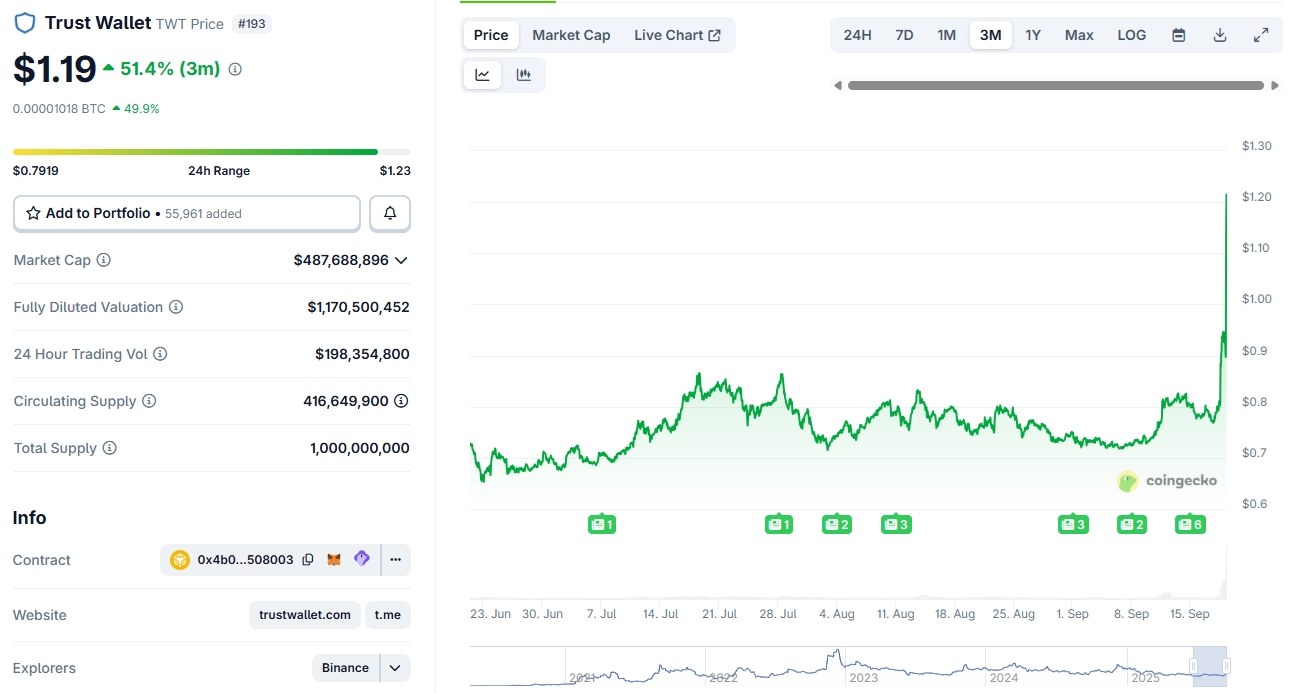
    Trust wallet token surge was back in focus this week after Binance co-founder Changpeng “CZ” Zhao mentioned the asset on social media. Trust Wallet Token (TWT) rallied to $1.19, marking a three-month peak, and underscoring how market sentiment remains tied to Binance’s influence.

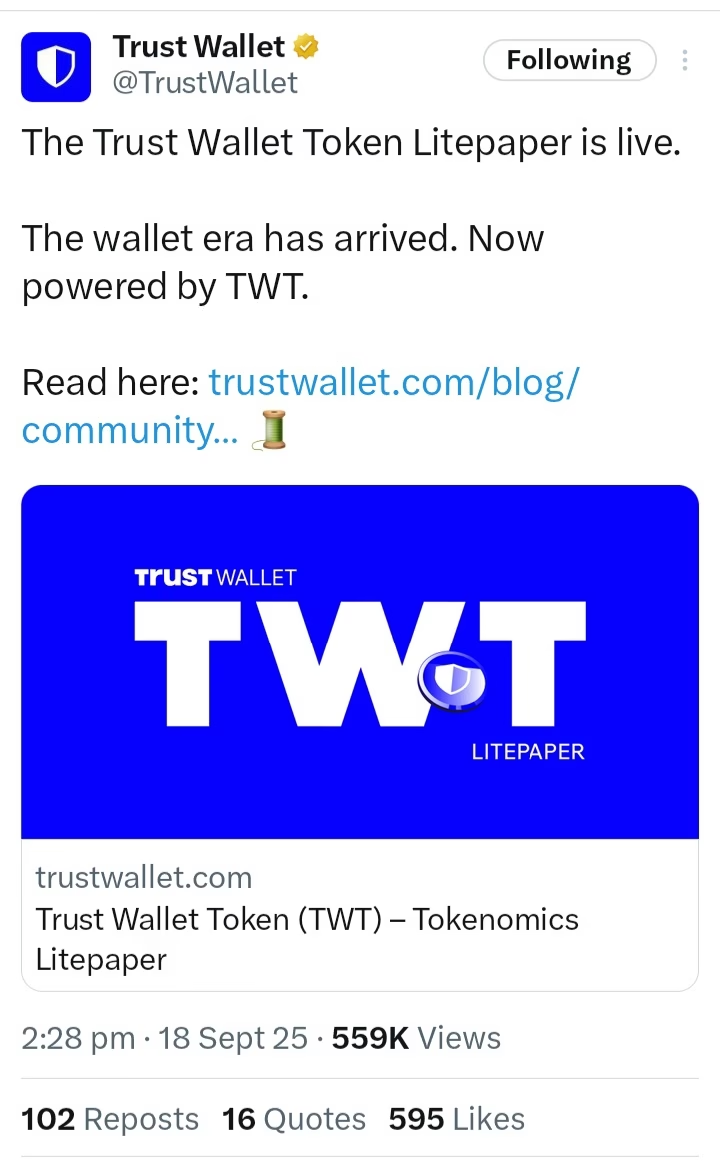
    The surge came just as Trust Wallet published a new litepaper outlining expanded use cases for TWT, including staking for premium services, trading features, and participation in exclusive token events.

    “TWT token started as an experiment. The FDV got too high quickly. They burned 99% of the supply, but didn’t have too many use cases for it. Now that’s expanding,” — Changpeng Zhao, Co-founder, Binance, in a post on X (formerly Twitter).

    CZ 🔶 BNB @cz_binance · Follow TWT token started as an experiment. The FDV got too high quickly. They burned 99% of the supply, but didn't have too many use cases for it. Now that's expanding. Trust Wallet @TrustWallet The Trust Wallet Token Litepaper is live. The wallet era has arrived. Now powered by TWT. Read here: https://trustwallet.com/blog/community/trust-wallet-token-twt-litepaper 🧵 5:36 AM · Sep 19, 2025

    For crypto investors, the trust wallet token surge highlights how centralized personalities still play a decisive role in token performance, even in a decentralized ecosystem.

    From experimental asset to ecosystem driver

    Launched in 2020, Trust Wallet Token has mirrored the boom-and-bust cycles of the broader crypto market. Initially viewed as non-essential — especially since rival wallets functioned without native tokens — TWT nevertheless benefited from waves of speculation.

    The last major rally occurred in December 2022, when the token briefly hit $2.25. But unlike previous speculative runs, the latest trust wallet token surge is backed by a clear roadmap. The new litepaper positions TWT as both a utility and loyalty incentive within the Trust Wallet ecosystem.

    According to the document, users will be able to lock TWT to unlock tiered benefits. These include gas fee discounts, early access to features, premium customer support, and marketing opportunities. At higher staking levels, investors can access exclusive airdrops, advanced trading tools, and specialized events.

    This structural shift in token utility marks a turning point. By directly tying wallet engagement to token holding, Trust Wallet is aiming to increase both adoption and retention, while discouraging short-term selling pressure.

    Market dynamics and Binance’s influence

    The trust wallet token surge also reflects broader market dynamics. Over 30% of TWT’s trading volume currently comes from a single Binance pair, making the token particularly sensitive to concentrated orders. This reliance on Binance liquidity shows how the so-called “Binance effect” continues to drive altcoin valuations.

    Just days before TWT’s rally, another token, APX, jumped 400% under similar conditions. Analysts say this correlation suggests that tokens tied to prominent platforms or founders can still benefit disproportionately during bullish waves.

    “Web3 wallets are becoming key hubs for activity, offering seamless access to new projects,” — Trust Wallet litepaper, September 2025.

    TWT tokens rallied after the mention by CZ Zhao, with additional influence from the new litepaper suggesting TWT may be locked for premium wallet services. | Source: CoinGecko.
    TWT tokens rallied after the mention by CZ Zhao, with additional influence from the new litepaper suggesting TWT may be locked for premium wallet services. | Source: CoinGecko.

    Competitors are taking note. MetaMask, one of the leading Web3 wallets, has hinted at launching a native token and stablecoin to maintain its edge in the rapidly evolving space. This raises the stakes for Trust Wallet, which currently boasts 210 million users and access to more than 100 blockchains.

    Financials and adoption metrics

    Beyond market speculation, the fundamentals of Trust Wallet appear robust. In 2025, the platform facilitated the staking of over 102,169 ETH and more than 67 million TWT tokens. On-chain reserves total $3.49 million, while accumulated fees for the year already exceed $45 million, according to Dune Analytics data. Full-year fees are projected to surpass $63 million, raising questions about potential token buybacks.

    The trust wallet token surge reflects not only speculation but also sustained demand from a growing user base. With a circulating supply of roughly 416 million TWT, out of a total 1 billion, scarcity is amplified by the earlier burn of 99% of the initial supply. This limited float may further intensify upward price movements during high-demand periods.

    By integrating loyalty and incentive mechanics, Trust Wallet aims to ensure that token growth aligns more closely with platform adoption, reducing reliance on external hype. Still, as long as trading volumes remain concentrated on Binance, investor sentiment will continue to be influenced by Zhao’s endorsements and the exchange’s liquidity.

    Outlook for investors

    For crypto investors, the trust wallet token surge presents both opportunity and caution. The token’s new utility-driven model could provide long-term stability, but its sensitivity to Binance-driven momentum remains a double-edged sword.

    Advanced trading, staking, and premium rewards tied to TWT may increase investor interest, but also raise the risk of speculative overextension. Whether the latest rally leads to sustained adoption or another short-lived peak will depend on how well Trust Wallet delivers on its roadmap in the coming months.

    As Web3 wallets evolve into core gateways for decentralized activity, tokens like TWT could become indispensable to user engagement. For now, the trust wallet token surge is a reminder of how closely the future of digital assets can be shaped by a single founder’s mention and a well-timed utility upgrade.

Are you sure want to unlock this post?
Unlock left : 0
Are you sure want to cancel subscription?