




- Trending
- Comments
- Latest

Visa and Bridge announced plans this week to expand their stablecoin-backed card offering from 18 countries to more than 100 by the end of 2026—a pivotal step toward making digital dollar spending as routine as swiping a traditional credit card.
The expansion signals that stablecoins are transitioning from a trading instrument into everyday transactional currency accepted at millions of merchants globally.
Now, that footprint is set to multiply.
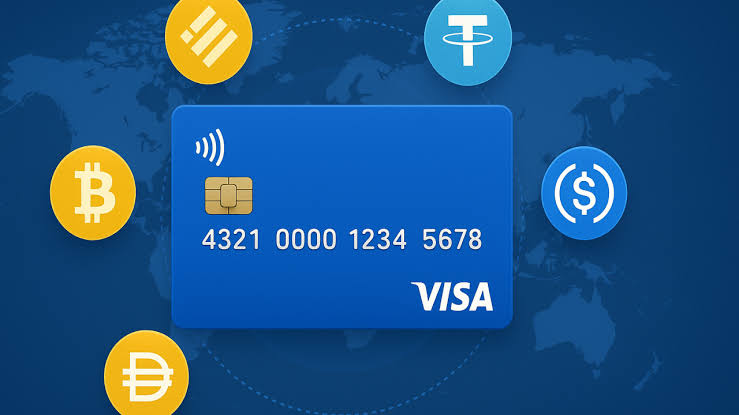
At the center of the initiative are Stablecoin-Linked Cards that connect users’ digital asset wallets to Visa’s global acceptance network. Instead of converting crypto manually into fiat before spending, cardholders can use stablecoin balances directly for everyday transactions.
Bridge enables fintech companies and developers to issue Visa cards backed by stablecoins, providing the infrastructure layer that makes this functionality possible. By leveraging Visa’s global payment rails, Stablecoin-Linked Cards allow digital dollars to move through the same system that processes trillions in annual card payments.
A Visa spokesperson said in the company’s official announcement that the expansion reflects “continued demand for seamless ways to connect digital assets with global commerce.”

The companies first unveiled the Stablecoin-Linked Cards issuance product last year. With the planned 100-country rollout, they are signaling that stablecoins are no longer confined to trading platforms—they are being positioned as usable money.
The expansion underscores a broader transformation within the crypto sector. Stablecoins, once largely associated with trading liquidity and decentralized finance, are increasingly viewed as practical payment instruments.
Industry analysts say Stablecoin-Linked Cards could play a decisive role in accelerating that shift.
“Stablecoins have always promised faster, cheaper cross-border value transfer,” said a senior digital assets researcher at a major global consultancy. “The missing piece was consumer usability. Stablecoin-Linked Cards close that gap by embedding digital dollars into everyday payment behavior.”
Crypto platforms such as Phantom and MetaMask are already integrating these cards to allow millions of wallet users to spend stablecoins at retail stores, online merchants, and service providers worldwide. The result is frictionless spending without forcing users to exit the crypto ecosystem.
For Visa, the strategy aligns with its multi-year exploration of digital asset settlement options. The payments giant has previously tested USDC settlement and blockchain-based treasury flows. The Stablecoin-Linked Cards initiative builds on that foundation.
Beyond consumer payments, Visa is evaluating whether to support Bridge-issued assets in future settlement processes across its network. According to the companies, the review will examine how these assets might enhance cross-border settlement efficiency and offer new liquidity pathways for financial partners.
If Visa integrates Bridge-backed assets deeper into its infrastructure, Stablecoin-Linked Cards could evolve from a consumer-facing feature into a backend settlement alternative. That would represent a structural change in how funds move between banks, fintechs, and merchants globally.
A payments industry executive familiar with the matter noted, “Visa’s exploration isn’t just about enabling crypto spending. It’s about whether blockchain-based assets can streamline global settlement at scale.”
The potential impact is especially pronounced in emerging markets, where currency volatility and limited banking access create demand for stable, dollar-pegged instruments. In regions across Africa and parts of Asia Pacific, Stablecoin-Linked Cards may offer a practical bridge between digital assets and physical commerce.
Bridge’s acquisition by Stripe adds another layer of strategic weight. Stripe, one of the world’s largest fintech infrastructure providers, has been steadily re-engaging with crypto after pausing support during earlier market turbulence.
By integrating Bridge’s stablecoin capabilities, Stripe strengthens its ability to offer crypto-native financial tools to online businesses and developers. The Stablecoin-Linked Cards initiative effectively plugs that infrastructure into Visa’s acceptance network, creating a powerful distribution channel.
For fintech startups, the model is simple: issue Visa cards backed by stablecoins without building payment rails from scratch.
That efficiency could accelerate innovation across digital banking, remittances, and global payroll services.
The timing of the announcement is notable. Reports suggest that Meta may be considering a return to the stablecoin space after previously scaling back its Diem project. While no formal product has been announced, renewed interest from a tech giant underscores the growing legitimacy of blockchain-based payment instruments.
In that context, Stablecoin-Linked Cards represent more than a product launch—they signal competitive positioning.
As regulatory frameworks around stablecoins mature in regions such as Europe and parts of Asia, global payment companies appear increasingly comfortable building infrastructure around compliant digital dollar models.
Today, the product is active in 18 countries. By 2026, Visa and Bridge aim to surpass 100.
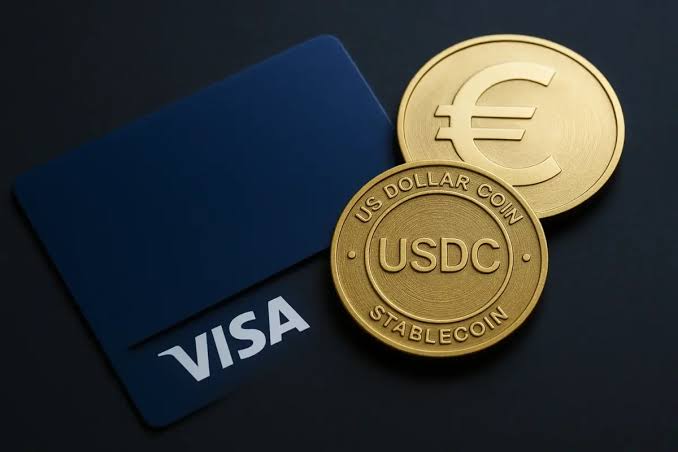
If achieved, Stablecoin-Linked Cards would move from a specialized crypto feature to a near-global payment option embedded in the world’s largest card network.
The implications are substantial:
For a sector long criticized for lacking real-world use cases, this expansion represents a tangible milestone.
The question now is execution. Scaling Stablecoin-Linked Cards across more than 100 jurisdictions will require regulatory alignment, local partnerships, and seamless technical integration. But the direction of travel is clear.
Stablecoins are no longer waiting for mainstream adoption—they are being engineered into it.
And with Stablecoin-Linked Cards at the forefront, the payments industry may be entering its next structural shift.



Copyright © 2025 - The Bit Gazette.