


- Trending
- Comments
- Latest

Reform UK’s financial dominance in British politics intensified after receiving a £3 million donation from cryptocurrency investor Christopher Harborne in November 2025, according to the Financial Times.
Combined with an £12 million contribution in August 2025, Harborne’s donations have propelled Reform UK to £18 million in annual funding—surpassing the Conservative Party (£17M) and Labour (£10M)—raising regulatory concerns about crypto wealth’s influence on democracy.
Data cited by the Financial Times shows that Reform UK funding reached roughly $18 million in 2025, putting the party ahead of both the Conservative Party (UK) and the governing Labour Party (UK).
The Conservatives reportedly collected about $17 million, while Labour received roughly $10 million in donations during the same period.
The new influx of cash has further cemented Reform UK funding as one of the most formidable financial forces in British politics despite the party not currently holding power.
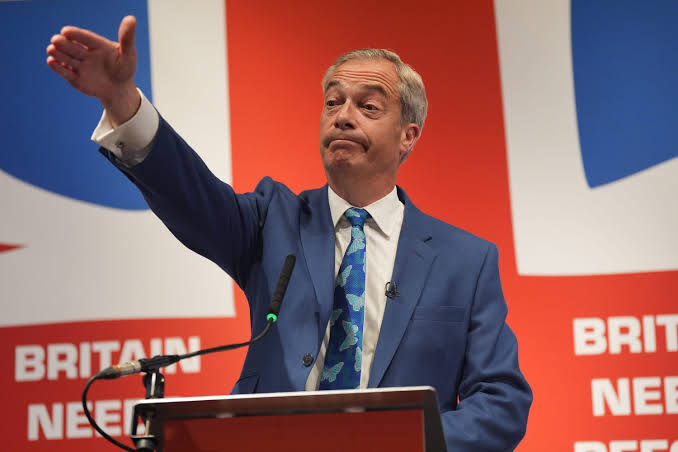
Political analysts say the surge demonstrates how a small number of wealthy donors can reshape campaign finances and influence the competitive landscape.
At the center of the Reform UK funding boom is Christopher Harborne, a British-born entrepreneur who has long lived in Thailand and is also known by the name Chakrit Sakunkrit.
Harborne built his fortune in aviation and digital assets and is considered an early backer of cryptocurrency markets. He also holds a significant financial stake in Tether, the issuer of the world’s largest stablecoin, Tether (USDT).
Reports indicate Harborne owns close to 13% of Tether, a stake tied partly to compensation arrangements connected to the aftermath of the Bitfinex Hack.
His financial involvement in Reform UK is not his first foray into political donations. Harborne previously backed the Conservatives during the leadership of Boris Johnson.
He also provided about $13 million to Farage’s earlier political vehicle, the Brexit Party, during the 2019–2020 election cycle.
Those contributions made him one of the most influential private financiers on Britain’s political right.
The rapid growth of Reform UK funding has also drawn attention because of the party’s openness to cryptocurrency donations.
In 2025, Farage announced that Reform UK would become the first political party in the country to formally accept digital assets such as Bitcoin as campaign contributions.
The declaration was made during the Bitcoin 2025 Conference in Las Vegas, where Farage pitched a pro-crypto vision for Britain’s financial future.

He said the party would introduce a “Cryptoassets and Digital Finance Bill” if it wins the next general election, which must take place before August 2029.
Supporters argue that embracing cryptocurrency donations modernizes political fundraising and aligns the party with a rapidly expanding sector of the global economy.
However, critics say the trend raises serious transparency concerns.
The expansion of Reform UK funding is unfolding as policymakers in the United Kingdom weigh whether to tighten regulations around crypto-related political donations.
Government ministers are currently evaluating proposals within a new Elections Bill that could reshape how political parties accept digital assets.
Possible measures under discussion include:
An outright ban on cryptocurrency donations to political parties
Stricter financial disclosure requirements
Greater oversight of shell companies and unincorporated associations used to channel campaign funds
The debate intensified earlier this year after senior lawmakers warned about the risks of anonymous or foreign-linked digital wealth influencing British elections.
Matt Western, chair of Parliament’s Joint Committee on the National Security Strategy, urged the government to impose tighter restrictions on crypto-funded political activity.
In a letter sent on Feb. 23 to the secretary of state responsible for housing and local government, Western called for safeguards including mandatory conversion of cryptocurrency donations into fiat currency within 48 hours.
He also recommended limits on funds that originate from privacy-enhancing technologies such as crypto mixers or anonymous wallets.
Those concerns reflect broader anxiety among lawmakers, security officials and transparency campaigners.
Critics warn that the rapid rise in Reform UK funding tied to crypto-linked wealth highlights a larger vulnerability in democratic systems.
Digital assets can move across borders quickly and sometimes anonymously, making it difficult for regulators to track the ultimate source of funds.
Anti-corruption advocates argue that this could open the door to foreign influence or undisclosed financial power shaping political outcomes.
“Political finance rules were written for a traditional banking system,” analysts at the Transparency International have previously noted in discussions about cryptocurrency donations. “Digital assets present a new challenge for oversight.”
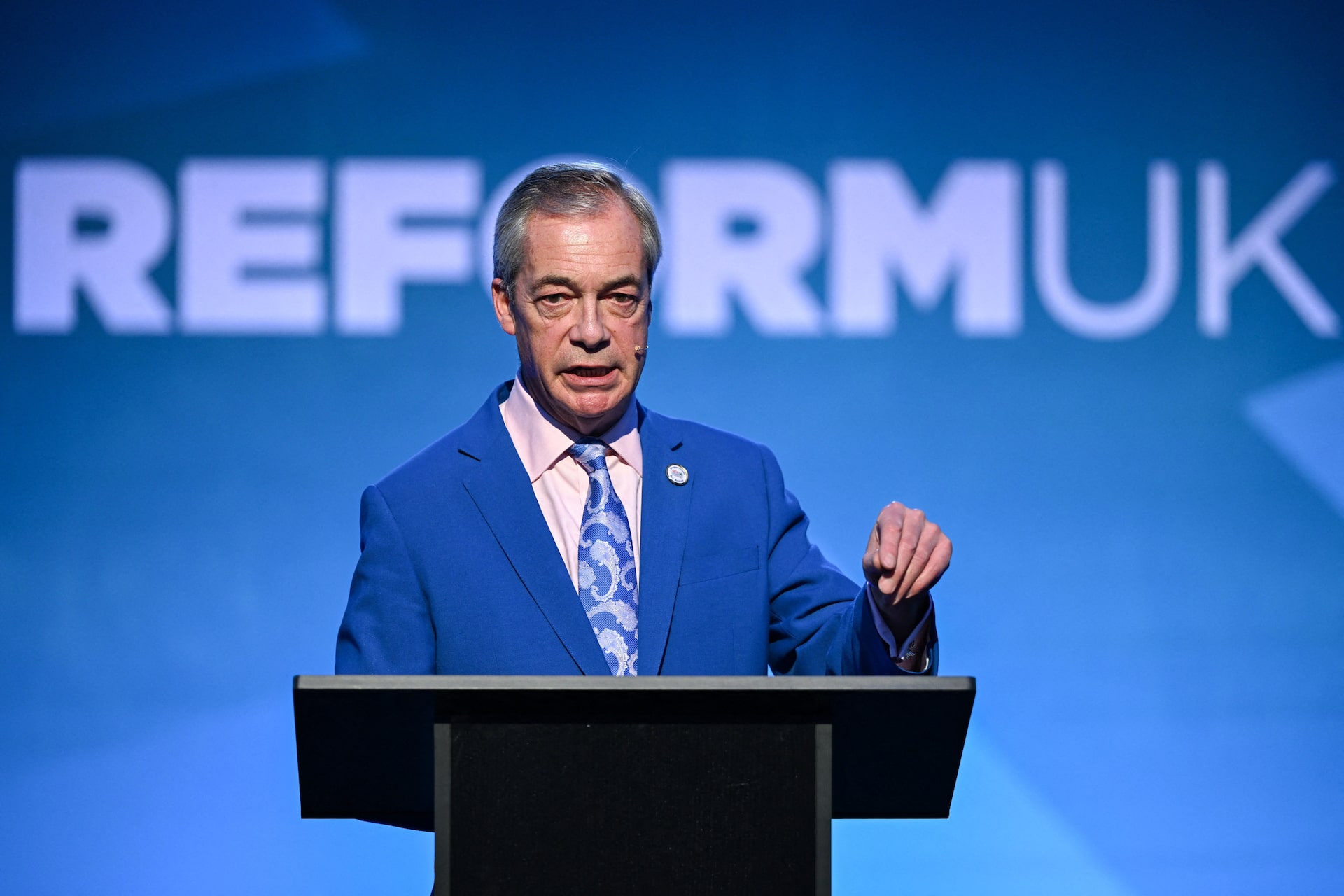
Still, supporters of crypto-friendly fundraising say transparent blockchain ledgers can actually improve traceability compared with cash donations.
As Britain heads toward the next general election cycle, the scale of Reform UK funding will likely remain under intense scrutiny.
The party’s expanding war chest provides it with a significant financial platform for campaigning, organizing and expanding its political reach.
Yet the reliance on wealthy crypto-connected donors may also keep Reform UK funding at the center of regulatory debates about transparency, influence and the future role of digital assets in democratic systems.
For now, one thing is clear: the intersection of cryptocurrency wealth and political fundraising is no longer theoretical—it is already reshaping the financial dynamics of British politics.



Copyright © 2025 - The Bit Gazette.