- Trending
- Comments
- Latest

Dubai’s Virtual Asset Regulatory Authority (VARA) issued a cease-and-desist order on this week against KuCoin, prohibiting the global cryptocurrency exchange from serving residents without proper licensing.
The action follows similar regulatory scrutiny in Austria, where KuCoin’s EU operations faced customer onboarding restrictions due to anti-money-laundering compliance failures.
The Vara KuCoin alert specifically names several entities associated with the exchange, including Phoenixfin PTe Ltd, MEK Global Limited, and Peken Global Limited. These companies collectively operate under the KuCoin brand.
VARA said these firms have been advertising and offering crypto-related services to Dubai residents despite lacking authorization to operate in the jurisdiction.
As a result, the regulator ordered KuCoin to cease and desist from providing unlicensed virtual asset services in Dubai.
“Unlicensed companies pose a risk to consumers because they do not comply with VARA’s regulations and rulebooks,” the authority said in its statement explaining the Vara KuCoin alert.

Officials warned that individuals using such services could face financial losses or legal complications due to the lack of oversight.
The Vara KuCoin alert highlights Dubai’s increasingly strict approach to regulating cryptocurrency businesses.
Under Dubai Law No. 4 of 2022 and UAE Cabinet Resolution No. 111 of 2022, all virtual asset service providers must secure regulatory approval before offering services within the emirate.
The laws were introduced as part of Dubai’s broader ambition to become a global hub for blockchain innovation while maintaining robust investor protection standards.
VARA has repeatedly emphasized that compliance with licensing requirements is non-negotiable. The Vara KuCoin alert reinforces the authority’s willingness to publicly call out companies that operate outside the regulatory framework.
Industry observers say such actions are designed to signal that Dubai’s crypto-friendly reputation does not mean regulators tolerate unauthorized activity.
The Vara KuCoin alert arrives during a turbulent regulatory period for the exchange.
Earlier in 2026, KuCoin secured authorization under the European Union’s landmark Markets in Crypto-Assets Regulation (MiCAR) through registration in Austria.
The approval theoretically allowed the platform to operate as a crypto asset service provider across the EU’s single market.
However, complications soon emerged. In February 2026, Austria’s financial watchdog, the Austrian Financial Market Authority (FMA), halted KuCoin’s ability to onboard new customers in the region.

The regulator said the suspension stemmed from failures related to anti-money-laundering obligations.
According to the FMA, the restrictions were imposed because KuCoin’s European operations lacked adequate compliance staffing.
The regulator determined that the exchange did not have sufficient personnel in place to meet anti-money-laundering standards required under EU law.
As a result, new customer onboarding for KuCoin’s EU entity was temporarily suspended.
The timing of that decision has amplified the significance of the Vara KuCoin alert, which now adds regulatory pressure from the Middle East to the exchange’s growing list of compliance challenges.
Crypto analysts say the situation illustrates the increasingly complex regulatory environment facing global exchanges.
“Crypto platforms that operate internationally must align with multiple regulatory regimes simultaneously,” said experts from the International Organization of Securities Commissions (IOSCO) in previous commentary on digital asset oversight.
The Vara KuCoin alert underscores a core priority for Dubai regulators: protecting consumers in a market that has seen explosive growth.
The emirate has positioned itself as a global center for blockchain development and digital asset investment. Major crypto companies have set up regional headquarters in Dubai following the establishment of VARA.
But authorities insist that innovation must operate within a strict regulatory perimeter.
By issuing the Vara KuCoin alert, VARA is signaling that platforms offering services to local users must comply with licensing requirements, regardless of where the company is headquartered.
Officials warn that trading on unregulated platforms can expose users to risks such as lack of investor protections, unclear legal recourse, and limited regulatory oversight in the event of disputes or financial losses.
The Vara KuCoin alert reflects a broader trend in which regulators around the world are tightening oversight of cryptocurrency exchanges.
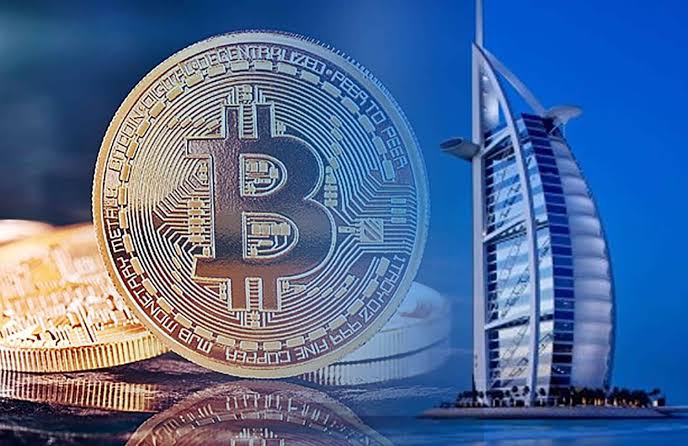
In recent years, authorities in the United States, Europe, and Asia have increased enforcement actions against platforms accused of operating without proper authorization.
Regulators argue that the crypto industry must adhere to the same standards applied to traditional financial institutions, including anti-money-laundering compliance and transparent licensing structures.
For exchanges like KuCoin, the challenge lies in navigating this evolving patchwork of rules across multiple jurisdictions.
While KuCoin remains one of the world’s largest cryptocurrency trading platforms, the Vara KuCoin alert adds to mounting regulatory scrutiny surrounding its operations.
Whether the exchange will seek official authorization to operate in Dubai remains unclear.
For now, the warning serves as a reminder that even in crypto-friendly markets, compliance remains essential.
As global regulators continue tightening oversight of digital asset companies, the Vara KuCoin alert may represent just the latest chapter in the ongoing effort to bring order and accountability to the rapidly evolving cryptocurrency industry.



Copyright © 2025 - The Bit Gazette.