







- Trending
- Comments
- Latest

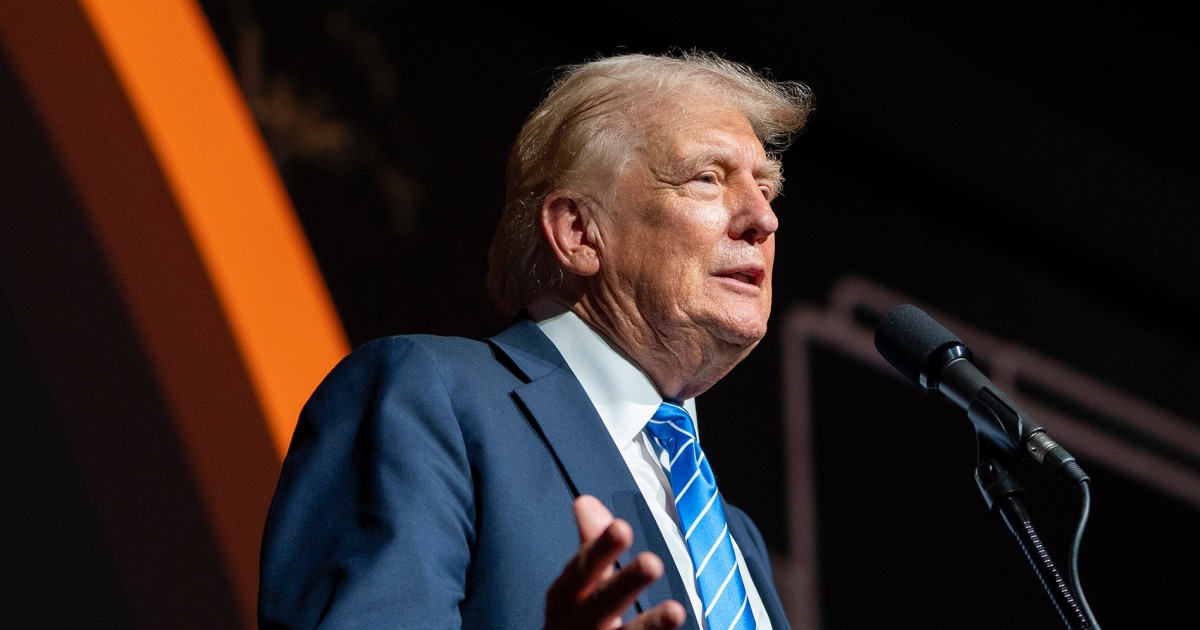
Four words from Donald Trump, “I don’t like it”, posted to Truth Social at 07:06 GMT on May 11 were enough to collapse a Bitcoin rally, trigger a $4,000 intraday swing, and erase $370 million in leveraged crypto positions within hours.
Within hours, more than $370 million in leveraged crypto positions had been wiped out.
Bitcoin had just reclaimed the $82,000 level as traders grew increasingly optimistic about reports of a potential ceasefire framework tied to ongoing Gulf negotiations.
But at 07:06 GMT, that optimism collapsed.
Reacting to Iran’s formal response to a US-backed peace proposal, Trump posted a short but market-moving statement on Truth Social:
“I don’t like it.”
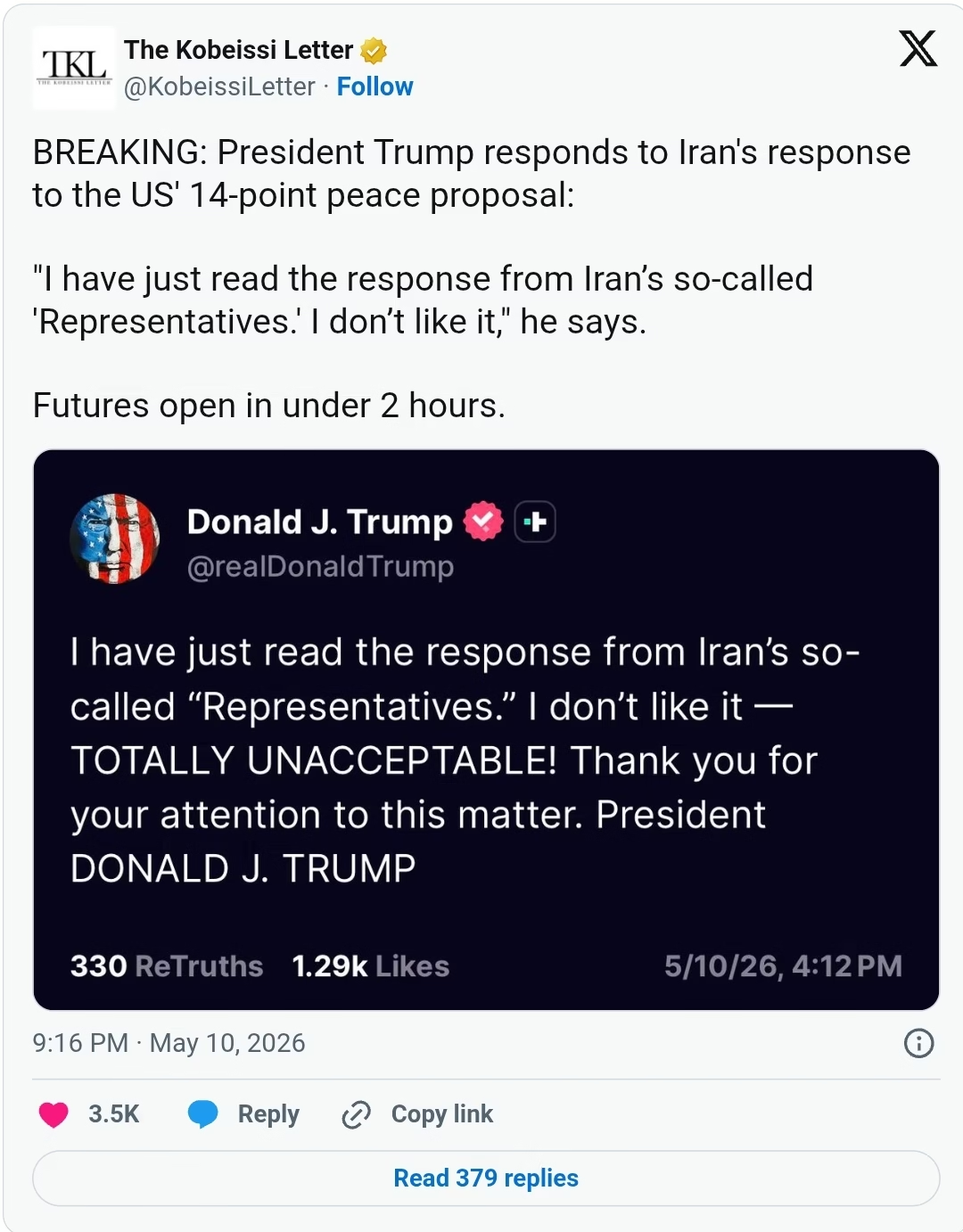
Iran’s proposal, reportedly delivered through Pakistani mediators, rejected dismantling its nuclear infrastructure while suggesting that portions of its uranium stockpile could be transferred to a third country during a proposed 30-day negotiation period. Washington reportedly viewed the response as an attempt to prolong negotiations without making major concessions.
The market reaction was immediate.
Bitcoin dropped roughly $1,200 within minutes, falling from around $81,500 to nearly $80,300 as algorithms and leveraged traders rushed to reposition.
The selloff quickly spread across the broader crypto market, with Ethereum and other major digital assets following Bitcoin lower.
The volatility that followed was not a straightforward crash. It became a classic liquidation cascade.
As Bitcoin initially fell, heavily leveraged long positions were forced out of the market. But once the first wave of panic cooled and US futures markets opened, Bitcoin sharply rebounded toward $82,400, trapping bearish traders who had opened short positions during the decline.
The recovery did not last.
Prices reversed again later in the session as concerns over oil prices, inflation, and the broader geopolitical outlook continued to weigh on risk assets.
Over a roughly 12-hour period, Bitcoin swung nearly $4,000 in both directions.
The result was a brutal whipsaw event that erased approximately $370 million in crypto positions across exchanges. The episode highlighted how vulnerable leveraged markets remain to sudden geopolitical headlines, especially during periods of reduced liquidity and elevated speculation.
The market reaction also exposed an uncomfortable reality for many crypto investors.
For years, Bitcoin advocates have promoted the asset as a form of “digital gold” capable of protecting investors during periods of geopolitical instability. But on May 11, traditional safe havens and crypto assets moved in opposite directions.
Gold and the US dollar initially gained as traders sought protection from rising geopolitical tensions. Bitcoin, meanwhile, traded more like a high-risk technology stock than a defensive asset.
The divergence reflects Bitcoin’s evolving identity within global markets.
In moments of immediate geopolitical stress, investors still prioritize liquidity, dollar strength, and traditional hedges. At the same time, rising oil prices — which reportedly jumped nearly 5% following the developments — reinforced fears that inflation could remain elevated and force the Federal Reserve to maintain higher interest rates for longer.
That environment has historically pressured speculative assets, including cryptocurrencies.
Rather than trading as a crisis hedge, Bitcoin reacted like a liquidity-sensitive risk asset.
The May 11 selloff did not emerge in isolation.
Traders were already carrying memories of the March 6, 2026 market shock, when Trump reportedly demanded Iran’s “unconditional surrender” during an earlier escalation in tensions.
That episode sent crude oil prices sharply higher and pushed Bitcoin down to nearly $68,800 as investors fled risk assets.
The latest volatility revived fears that markets could once again become trapped between geopolitical uncertainty, rising energy prices, and tighter monetary conditions.
Earlier optimism surrounding possible diplomatic progress including reports of informal understandings involving regional intermediaries and US envoys disappeared almost instantly after Trump dismissed the Iranian proposal.
For traders, the message was clear: political headlines now matter as much as economic data.
Some market analysts argued that the selloff merely exposed weaknesses that already existed beneath the surface.
Pseudonymous crypto analyst Doctor Profit had previously warned that Bitcoin’s move above $80,000 resembled a potential “bull trap,” particularly as retail traders aggressively re-entered the market after earlier corrections.
According to the analyst, the $82,000 to $85,000 range closely resembled the structure that preceded the sharp crypto correction in 2025.
Doctor Profit said he had been building short positions throughout the rally, arguing that weakening momentum and rising speculative activity made the market especially vulnerable to a sudden catalyst.
From that perspective, the geopolitical shock may have triggered the collapse, but excessive leverage amplified the damage.
The events of May 11 reinforced how deeply intertwined crypto markets have become with global macroeconomic and geopolitical developments.
Digital assets no longer trade in isolation from international diplomacy, energy markets, or central bank expectations. A single political statement can now trigger immediate reactions across crypto exchanges, oil markets, equities, and currencies simultaneously.
As traders look ahead to upcoming diplomatic negotiations and high-level international meetings, volatility is likely to remain elevated.
The larger lesson from the $370 million liquidation event is not simply that markets react to war. It is that crypto markets now react instantly to political uncertainty itself.
In 2026, geopolitics is no longer a background story for traders. It has become part of the chart.



Copyright © 2025 - The Bit Gazette.

