







- Trending
- Comments
- Latest

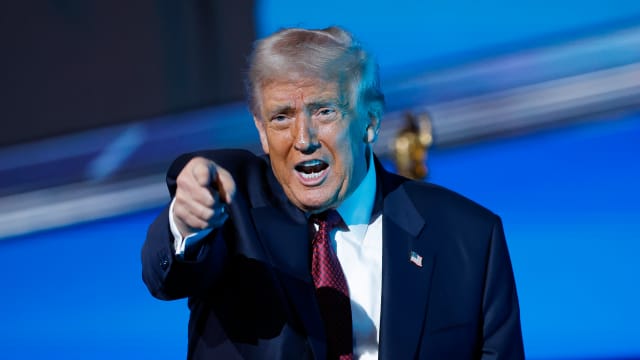
The White House is considering a wave of up to 250 presidential pardons timed to America’s 250th anniversary celebrations, according to the Wall Street Journal and Cointelegraph, a move that has triggered renewed clemency lobbying from convicted crypto executives including Sam Bankman-Fried and developers tied to Samourai Wallet and Tornado Cash.
The proposal, which could be announced as early as June 14 or during Independence Day celebrations on July 4, has triggered renewed lobbying efforts from several high-profile figures in the cryptocurrency industry.
The possibility of additional pardons for crypto executives could reshape perceptions around U.S. enforcement policy, regulatory risk, and the future legal treatment of decentralized finance platforms and privacy-focused technologies.
Among the most closely watched names is Sam Bankman-Fried, the former CEO of the collapsed crypto exchange FTX.
Bankman-Fried was sentenced to 25 years in prison in 2024 after being convicted on fraud and conspiracy charges tied to the exchange’s implosion.
According to reports, he has continued a public campaign for clemency despite earlier indications that Trump was unwilling to pardon him.
Another figure drawing attention is Keonne Rodriguez, a developer associated with the crypto-mixing protocol Samourai Wallet.
Rodriguez has publicly appealed for a pardon, arguing that software developers should not be criminally liable for how third parties use open-source privacy tools.
A petition supporting clemency for Rodriguez has reportedly gathered more than 16,000 signatures.
Meanwhile, supporters of Tornado Cash developers Roman Storm and Roman Semenov have also launched pardon campaigns.
Storm still faces federal charges linked to money laundering and sanctions violations, while Semenov remains wanted by U.S. authorities.
The broader debate has become a flashpoint in crypto policy circles, particularly among developers and privacy advocates concerned about the legal exposure surrounding decentralized protocols and non-custodial tools.
Trump’s second term has already produced several notable clemency decisions involving the crypto industry.
In 2025, the administration pardoned Changpeng Zhao, better known as CZ, after he served a four-month sentence related to anti-money laundering compliance failures at Binance.
The White House also granted pardons to BitMEX co-founders Arthur Hayes, Benjamin Delo, and Samuel Reed after the executives pleaded guilty to Bank Secrecy Act violations.
Perhaps the most symbolic pardon came earlier when Trump granted clemency to Ross Ulbricht, founder of the Silk Road marketplace, whose case had become a rallying point for libertarian and crypto communities.
“Trump has expanded his use of the pardon in his second term.”
The Wall Street Journal reported, noting that the president has already issued controversial pardons tied to political allies, financial executives, and crypto figures.
For investors, the growing list of crypto-related pardons suggests the administration may be signaling a softer stance toward parts of the digital asset sector.
The clemency discussions arrive at a critical moment for U.S. crypto regulation.
Congress is simultaneously debating new digital asset legislation, while federal agencies continue enforcement actions against exchanges, mixers, and decentralized finance platforms.
Analysts say additional pardons could complicate perceptions of regulatory consistency in the United States.
“The decision to pardon the BitMEX founders raises further questions about the future of cryptocurrency regulation in the United States.”
One report noted, particularly as policymakers debate how aggressively to pursue enforcement against crypto infrastructure providers.
Critics, however, warn that broad clemency for convicted crypto executives risks undermining confidence in financial oversight and accountability.
A recent analysis by The New Yorker described the administration’s expanding use of presidential pardons as part of a growing “pardon economy,” raising concerns about the politicization of clemency powers.
At the same time, supporters within the crypto industry argue that some prosecutions especially those involving privacy protocols and decentralized software.
No final decision has been announced, and White House officials have stressed that discussions remain preliminary.
Still, with more than 16,000 formal clemency requests reportedly filed last year, the crypto sector is closely watching whether another wave of presidential pardons could reshape the legal landscape for digital asset founders and developers.



Copyright © 2025 - The Bit Gazette.

