

- Trending
- Comments
- Latest

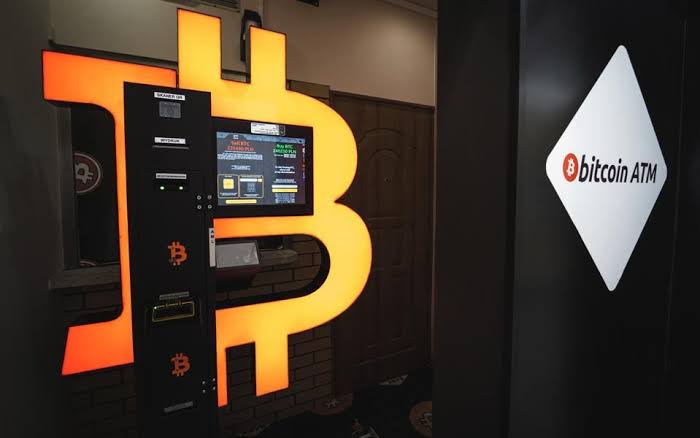
Minnesota’s ban on cryptocurrency kiosks took effect Aug. 1, 2026, prohibiting the machines statewide after fraudsters used them to steal nearly $1 million from residents between 2023 and 2025.
The legislation, backed by lawmakers, law enforcement agencies, and consumer advocates, aims to eliminate one of the most common tools used in cryptocurrency scams while allowing Minnesotans to continue buying and selling digital assets through regulated online platforms.
Officials say the crypto kiosk ban is intended to curb financial fraud, protect consumers, and reduce the growing number of scam cases reported to state authorities.
The new law requires cryptocurrency kiosks to stop operating by Aug. 1, with all machines scheduled to be physically removed from businesses by Dec. 31. Minnesota joins a small but growing number of U.S. states adopting aggressive measures against cryptocurrency kiosks amid rising scam-related losses.
State officials said the crypto kiosk ban was introduced after the Minnesota Department of Commerce investigated 134 complaints involving cryptocurrency kiosks between 2023 and 2025.
According to the department, Minnesotans reported losing nearly $1 million after scammers persuaded victims to withdraw money from their bank accounts and deposit it into cryptocurrency kiosks.
Once converted into digital assets and transferred to criminals’ wallets, the funds were typically impossible to recover.
Among those affected was Sharon Fleming, a resident of Woodbury, who deposited thousands of dollars into cryptocurrency kiosks at several Twin Cities convenience stores after a scammer falsely claimed her bank account had been compromised.
Believing she was safeguarding her savings, Fleming instead transferred the funds directly to criminals. She is one of the few victims who ultimately recovered all of her money.
The experiences of victims like Fleming helped build bipartisan support for the crypto kiosk ban, with lawmakers concluding that the machines had become a preferred payment method for fraudsters.
Minnesota officials argue the crypto kiosk ban will eliminate one of the fastest ways scammers move stolen funds.
“There is no safe crypto kiosk,” said Grace Arnold, Commissioner of the Minnesota Department of Commerce.
“Every complaint represents a Minnesotan whose life was turned upside down by a scammer. By banning these machines, Minnesota is shutting down one of the most effective tools scammers have used to steal from consumers.” — Grace Arnold, Commissioner, Minnesota Department of Commerce
State authorities emphasized that the legislation targets only physical cryptocurrency kiosks. Residents can still purchase and trade digital assets through licensed online platforms, which generally provide stronger consumer protections and lower transaction fees.
The investigations into cryptocurrency kiosk fraud often extended beyond state borders, requiring cooperation among local police departments, the Minnesota Bureau of Criminal Apprehension (BCA), federal agencies, financial institutions, cryptocurrency companies, and regulators.
BCA Superintendent Drew Evans said removing kiosks would significantly disrupt criminals’ operations.
“Cryptocurrency kiosks have become a powerful tool for scammers, allowing them to take and move a victim’s money in a matter of minutes — often before anyone can intervene. This ban closes a major pathway criminals have used to steal significant amounts of money from Minnesotans.” — Drew Evans, Superintendent, Minnesota Bureau of Criminal Apprehension
Support for the crypto kiosk ban extended beyond government agencies.
The legislation received bipartisan backing from lawmakers and was supported by organizations including AARP Minnesota, consumer advocates, and crime prevention groups.
Among those urging lawmakers to act was Sister Agnes Foley of St. Paul, who previously testified after scammers convinced her that her computer and bank account had been compromised. She narrowly avoided losing money after seeking help before completing a cryptocurrency kiosk transaction.
While officials welcomed the new law, they cautioned that scammers are likely to adapt rather than disappear.
Sara Payne, Assistant Commissioner of Enforcement at the Minnesota Department of Commerce, warned that fraud schemes continue to evolve rapidly.
“They create panic, impersonate trusted organizations, and pressure people to act immediately. We want people to know they didn’t ‘fall for a scam’ — they were the victim of a crime.” — Sara Payne, Assistant Commissioner of Enforcement, Minnesota Department of Commerce
Officials stressed that although the crypto kiosk ban removes one important tool used by criminals, consumers should remain cautious whenever they receive urgent requests involving money, particularly from individuals claiming to represent government agencies, financial institutions, or law enforcement.
The Minnesota Department of Commerce said it has been working with kiosk operators to ensure compliance with the new law. Businesses were required to deactivate cryptocurrency kiosks by Aug. 1, while all machines must be removed from stores by Dec. 31.
Authorities also encouraged residents to report any cryptocurrency kiosks that remain active after the deadline.
For Sharon Fleming, the crypto kiosk ban is more than a regulatory change—it represents an opportunity to spare others the emotional and financial hardship she experienced.
“I never imagined something like this could happen to me. If sharing my experience prevents even one person from losing their savings, then it’s worth it.” — Sharon Fleming, Minnesota scam survivor
As cryptocurrency adoption continues to grow, Minnesota’s decision marks one of the strongest state-level responses to kiosk-related fraud in the United States. Whether other states follow suit may depend on whether the crypto kiosk ban succeeds in reducing consumer losses while preserving access to digital assets through regulated online platforms.
Primary Source: Minnesota Department of Commerce and state officials’ announcement on the cryptocurrency kiosk ban.



Copyright © 2025 - The Bit Gazette.