






- Trending
- Comments
- Latest

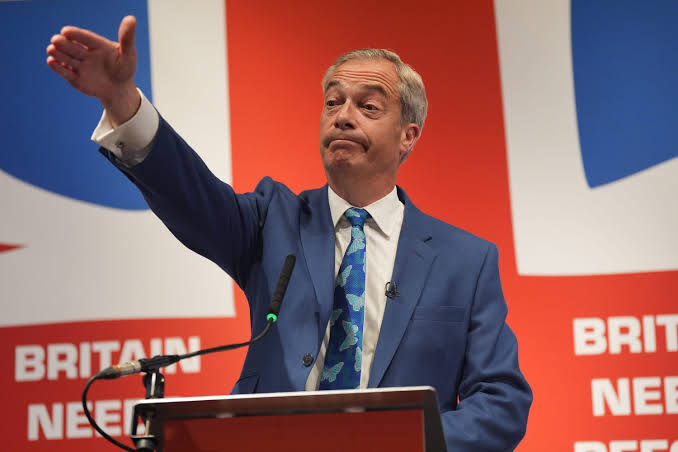
Reform UK is facing renewed scrutiny over its finances after an analysis of Electoral Commission figures found that the party received about £20 million from wealthy individuals linked to cryptocurrency since the beginning of 2024, with crypto interests accounting for roughly 60% of its donations during the period.
The findings, reported by The Independent over the weekend and reproduced by other outlets, highlight the growing role of cryptocurrency investors in funding Nigel Farage’s party at a time when Reform UK has adopted a notably pro-crypto policy position.
The party has become the first UK political party to accept cryptocurrency donations, while Farage has publicly promoted crypto-related policies. He has backed the creation of a state-owned Bitcoin reserve and called for greater deregulation of the cryptocurrency sector.
The scale of the funding has prompted criticism from political opponents, who argue that the concentration of crypto-linked money warrants closer examination of the relationship between Reform UK and the digital-asset industry.
The largest contribution identified in the analysis came from crypto billionaire Christopher Harborne, who has provided £15 million to Reform UK.
Other crypto-linked donors include BitMEX co-founder Ben Delo, who made two £2 million donations to the party in 2026, according to the figures cited in the reports. Maria Rost, who is married to US crypto investor John Rost, has also donated to the party.
Rost made nine payments of £125,000, bringing her total contributions to £1.125 million since 2024, according to the story.
The list also includes Simon William Smith, a London-based Bitcoin investor who founded a company that enables content creators to sell material in exchange for Bitcoin. Smith donated £116,000 before the 2024 general election.
Oscar Townsley, founder of Bitcoin derivatives trading firm A1X, gave Reform UK £30,000 last year.
The concentration of funding is notable even when measured against the party’s wider donation base. A separate calculation based on individually itemised Electoral Commission records identified at least £19.218 million from five crypto-linked donors during its defined period, representing 61.1% of the listed contributions in that dataset.
That calculation uses a narrower methodology than the £20 million figure reported by The Independent, meaning the totals should not be treated as identical measures.
The financial disclosures have attracted particular attention because Reform UK has simultaneously advanced policies favourable to the cryptocurrency industry.
Farage has advocated the creation of a government Bitcoin reserve and called for deregulation of crypto. The party has also published proposals covering cryptoassets and digital finance, including a proposed 10% capital-gains tax rate for cryptoassets and measures relating to regulation and the use of cryptocurrency for tax payments.
The proximity between the party’s funding and its policy agenda has become a central part of the political debate. However, the available donation records establish the source and scale of contributions but do not, by themselves, establish that individual donations resulted in particular policy decisions.
The issue has become more sensitive amid wider questions about Farage’s financial relationship with Harborne.
Farage has faced scrutiny after reports that he received an undeclared £5 million gift from Harborne before the 2024 election. The controversy contributed to his decision to step down as MP for Clacton and subsequently contest the seat again in a by-election.
The latest donation figures therefore arrive against an existing backdrop of questions over the party’s fundraising and its links to wealthy crypto investors.
Reform UK has rejected suggestions that its fundraising practices breach electoral rules and has defended its procedures for checking donors.
A party spokesperson said: “Reform takes pride in its stringent vetting of donations and always ensures that the Electoral Commission guidelines on donations, as set out in the Political Parties, Elections and Referendums Act 2000, are strictly followed, as has been the case with all donations.”
The party’s defence comes as UK authorities separately examine other donations linked to Reform. The Metropolitan Police has been investigating donations made ahead of the 2024 general election following a referral from the Electoral Commission. Police have said two people have been interviewed under caution and that no arrests have been made.
The investigation is separate from the analysis of crypto-linked donations, but it has intensified broader scrutiny of Reform UK’s fundraising practices.
Labour has been among the strongest critics of the party’s financial relationships. Bridget Phillipson, chair of the Labour Party, told The Independent that “Nigel Farage has spent the summer battling a bin in a desperate attempt to dodge scrutiny but people have a right to know what he’s hiding.”
Phillipson also criticised the relationship between Farage, Harborne and the wider cryptocurrency sector, arguing that the scale of crypto-linked donations raises questions about the party’s political priorities.
The figures have placed Reform UK at the centre of a wider debate over the influence of wealthy donors on British political parties and the role of cryptocurrency interests in political funding.
The party’s supporters can point to its stated commitment to following Electoral Commission rules, while its critics argue that the concentration of funding from a relatively small number of crypto-linked individuals warrants greater transparency.
The Conservatives, meanwhile, received £82,250 from Alan Eldad Howard, a hedge fund manager and crypto investor, according to the analysis. Labour, the Liberal Democrats and the Green Party did not receive donations classified as coming from crypto interests in the same analysis.
The combination of substantial crypto-linked donations, Farage’s advocacy for cryptocurrency and the party’s proposals on digital assets means its financial relationship with the sector is likely to remain under political scrutiny.
At the same time, the available evidence should be distinguished from allegations of wrongdoing. Donation records can show who gave money and how much was given, but they do not independently demonstrate that a contribution was exchanged for a particular political decision.



Copyright © 2025 - The Bit Gazette.

