






- Trending
- Comments
- Latest

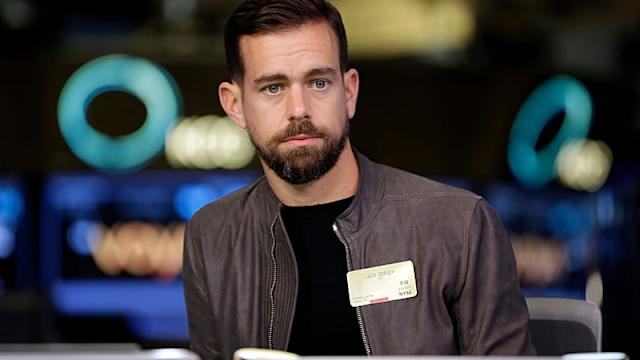
Block is spending big to convince mainstream America that Bitcoin is money, not a bet. The Jack Dorsey-led company launched “Bitcoin Does,” its first major consumer Bitcoin campaign, on Oct. 1, targeting about 60 million Americans who are curious about the asset but haven’t bought in.
The campaign runs through Dec. 31 across YouTube, X, Meta, Instagram and Fox Sports. Its tagline: “Some things don’t make sense. Bitcoin does.”
The Bitcoin Does campaign is aimed at roughly 60 million Americans that Block describes as “Bitcoin-curious.” According to reporting on the campaign, Block’s research indicates that about 22% of US adults have never owned Bitcoin but remain open to buying, trying or using it.
Rather than leading with Bitcoin’s price, market cycles or technical infrastructure, Block’s advertising focuses on ordinary financial situations. The campaign attempts to show where Bitcoin could fit into everyday life, including payments and transactions.
That represents a different approach from much of the cryptocurrency industry’s traditional marketing, which has often centred on investment returns and Bitcoin’s potential appreciation.
Block’s message is that Bitcoin can be understood through its function rather than simply its price. The company highlights characteristics such as its fixed supply and its ability to facilitate transactions without relying on traditional intermediaries.
The campaign therefore puts Bitcoin Does at the centre of a broader attempt to change how mainstream consumers perceive the asset.
For Block, the Bitcoin Does campaign is also closely connected to an ecosystem it has spent years building.
Cash App allows users to buy, sell and send Bitcoin, while Square has developed payment infrastructure that allows merchants to accept Bitcoin through the Lightning Network. Block has also pursued Bitcoin-related hardware, including a mining machine designed with modular components to reduce maintenance and replacement costs.
Bitcoin Lead at Block Miles Suter said the company’s focus is on making financial products useful in people’s daily lives.
“At Block, we’re focused on building financial products that make everyday life easier,” — Miles Suter, Bitcoin Lead at Block.
Suter said the new campaign is intended to give consumers a clearer picture of what Block believes a Bitcoin-focused financial system could look like.
“This campaign is our first major illustration of what a Bitcoin-centric financial system could look like, and we’re excited to show how it can make a meaningful difference in people’s lives,” — Miles Suter, Bitcoin Lead at Block.
The strategy effectively connects Block’s existing Bitcoin infrastructure with a new effort to encourage greater consumer usage.
The advertising campaign also draws heavily on the economic concerns facing American consumers.
The ads feature ordinary Americans discussing issues including the rising cost of living and other frustrations with the financial system. One advertisement also references Wall Street bankers receiving government bailouts, positioning Bitcoin against some of the frustrations associated with the traditional financial system.
That backdrop is important to the Bitcoin Does strategy. The campaign comes as affordability remains a major issue in the United States ahead of the midterm elections, giving Block an opportunity to frame Bitcoin around financial concerns that extend beyond cryptocurrency enthusiasts.
The company’s argument is ultimately less about convincing consumers to speculate on Bitcoin and more about encouraging them to consider it as a form of money.
Block has previously pushed a similar idea. Its broader Bitcoin strategy has included advocating for greater use of Bitcoin in everyday payments, while Dorsey has repeatedly argued that Bitcoin should eventually become a global currency.
Dorsey stepped down as Twitter CEO in 2021 to focus more heavily on his payments business and Bitcoin adoption. He has also described Satoshi Nakamoto’s Bitcoin white paper as “poetry.”
The Bitcoin Does rollout is designed to reach consumers well beyond cryptocurrency-focused audiences.
Block said the campaign would run across YouTube, X, Meta and Instagram, alongside television exposure through Fox Sports. The campaign is scheduled to continue through December 31. Ads are also planned for selected cinema screenings, including screenings associated with Avengers: Doomsday and Dune 3.
The scale of the rollout reflects Block’s attempt to take Bitcoin messaging into mainstream consumer spaces rather than leaving adoption efforts to crypto exchanges, specialist publications and industry conferences.
Concerning Bitcoin Does, however, advertising alone will not determine whether Block’s strategy succeeds. The more significant test will be whether the campaign encourages people to actually transact in Bitcoin.
Bitcoin already has substantial recognition among American consumers, but recognition has not necessarily translated into routine payments. Block’s challenge is therefore to close the gap between people who know about Bitcoin, people who hold it and people who actually use it.
The campaign also arrives at a time when Bitcoin remains primarily viewed by many investors as a store of value or speculative asset. Block is betting that there is a sufficiently large audience willing to consider another use case.
For now, Bitcoin Does represents one of the company’s clearest attempts to move that conversation from what Bitcoin might be worth to what people can actually do with it.



Copyright © 2025 - The Bit Gazette.

