

- Trending
- Comments
- Latest

Russians will have to pass a knowledge test on crypto risks before they can buy digital assets through regulated platforms, and brokers are expected to start administering it by the end of November 2026.
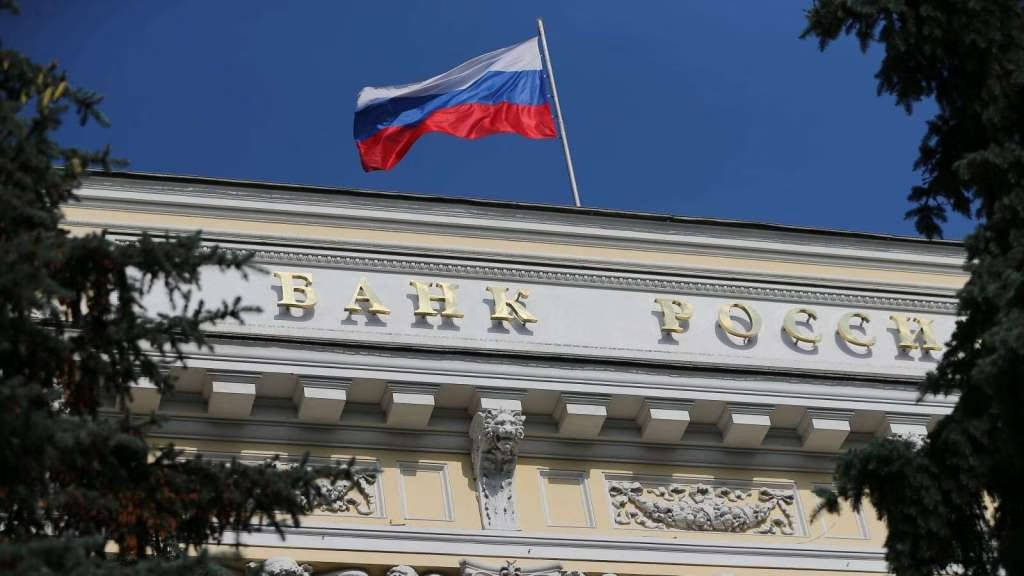
NAUFOR’s Ekaterina Andreeva told Crypto Summit 2026 that draft standards are with a Bank of Russia committee, and that passed results would carry over between intermediaries.
Under the proposed arrangement, brokers are expected to become the first regulated intermediaries authorized to administer the new assessments, potentially beginning by late November. Cryptocurrency exchanges, exchange operators and digital depositories would subsequently be able to use the published standards to establish their own testing procedures.
NAUFOR is working toward a shared question database and consistent examination process across participating institutions. The intention is to prevent individual intermediaries from developing substantially different tests for customers seeking access to the same regulated market.
The framework follows the introduction of Federal Law No. 282-FZ, titled On Digital Currencies and Digital Rights, which the supplied report says began taking effect on September 1, 2026. The legislation establishes a legal structure for regulated cryptocurrency trading and custody services.
Authorized participants include brokers, cryptocurrency exchanges, exchange operators, asset management companies and digital depositories. These entities perform different functions, from facilitating transactions and investment services to safeguarding digital assets.
Within this structure, Russia crypto rules require customers to complete identity verification before accessing regulated services. Investors must also pass the applicable knowledge assessment before purchasing or trading cryptocurrencies through the authorized system.
Recognizing test results across licensed providers could reduce repeated administrative checks. Nevertheless, investors would still need to satisfy the relevant eligibility requirements and comply with restrictions attached to their investor category.
The Bank of Russia plans to apply different examination requirements to qualified and nonqualified investors, reflecting the different levels of risk and market access available to each group.
Deputy Governor Mikhail Mamuta has previously explained that nonqualified investors will face a basic assessment covering cryptocurrency risks and the characteristics of assets available to ordinary retail participants. Their permitted investments are expected to follow a whitelist model, restricting purchases to cryptocurrencies approved for regulated trading.
In August 2026, the central bank proposed allowing Bitcoin, Ether and Tether’s USDT to trade through licensed exchanges, according to the supplied report. The final selection of eligible assets remains subject to regulatory decisions.
Under the framework described in the report, nonqualified investors who pass the required test may purchase up to 300,000 rubles’ worth of eligible cryptocurrencies annually through each intermediary. This restriction makes the choice of provider relevant because the stated limit applies separately to each intermediary.
Qualified investors, by contrast, would not face the same purchase ceiling and could access a broader range of digital assets. They would still need to demonstrate an understanding of cryptocurrency-related risks, with their assessment expected to cover more complex investment products and higher-risk assets.
These distinctions are central to Russia crypto rules, which separate access to digital assets according to investor classification rather than applying identical conditions to everyone.
The cryptocurrency examination should not be confused with the separate process for obtaining qualified investor status. In August, the Bank of Russia introduced a route allowing individuals to qualify through an approved financial knowledge examination. Passing that assessment concerns investor classification; it does not automatically replace the cryptocurrency knowledge test required for trading.
NAUFOR is also developing a distinct assessment framework for investors purchasing digital financial assets, commonly referred to in Russia as CFAs. According to Andreeva, discussions remain underway regarding the examination’s format, the number of questions and the procedures for administering it.
Although CFAs and cryptocurrencies are both digital assets, they fall under different regulatory arrangements. Consequently, the proposed cryptocurrency testing system will not automatically determine the conditions governing CFA investments.
Russia already differentiates between qualified and nonqualified investors in the digital financial asset market. Qualified participants can access a wider range of instruments, while retail investors generally face restrictions designed to limit exposure to certain products.
Nonqualified investors can purchase some digital financial assets offering variable returns, but these investments remain subject to an annual ceiling of 600,000 rubles and other applicable conditions.
In June 2025, the Bank of Russia proposed increasing that annual threshold to 1 million rubles. The regulator ultimately declined to adopt the increase, leaving the existing 600,000-ruble limit in place.
The separate CFA framework illustrates that Russia crypto rules are developing alongside, rather than replacing, the country’s existing digital investment restrictions. Investors may therefore face different assessments and financial limits depending on the product they intend to purchase.
For brokers and other regulated intermediaries, the immediate priority will be preparing for the common testing standards once they are formally published. For investors, the changes mean that understanding digital asset risks and identifying their applicable investor category will become increasingly important when accessing regulated cryptocurrency services.
Ultimately, the effectiveness of Russia crypto rules will depend on how consistently the assessments are administered, how eligible assets are determined and how the rules are implemented across licensed platforms. The planned November rollout represents a key implementation milestone, although the final operating requirements will depend on the standards formally adopted by the regulator.



Copyright © 2025 - The Bit Gazette.