
- Trending
- Comments
- Latest

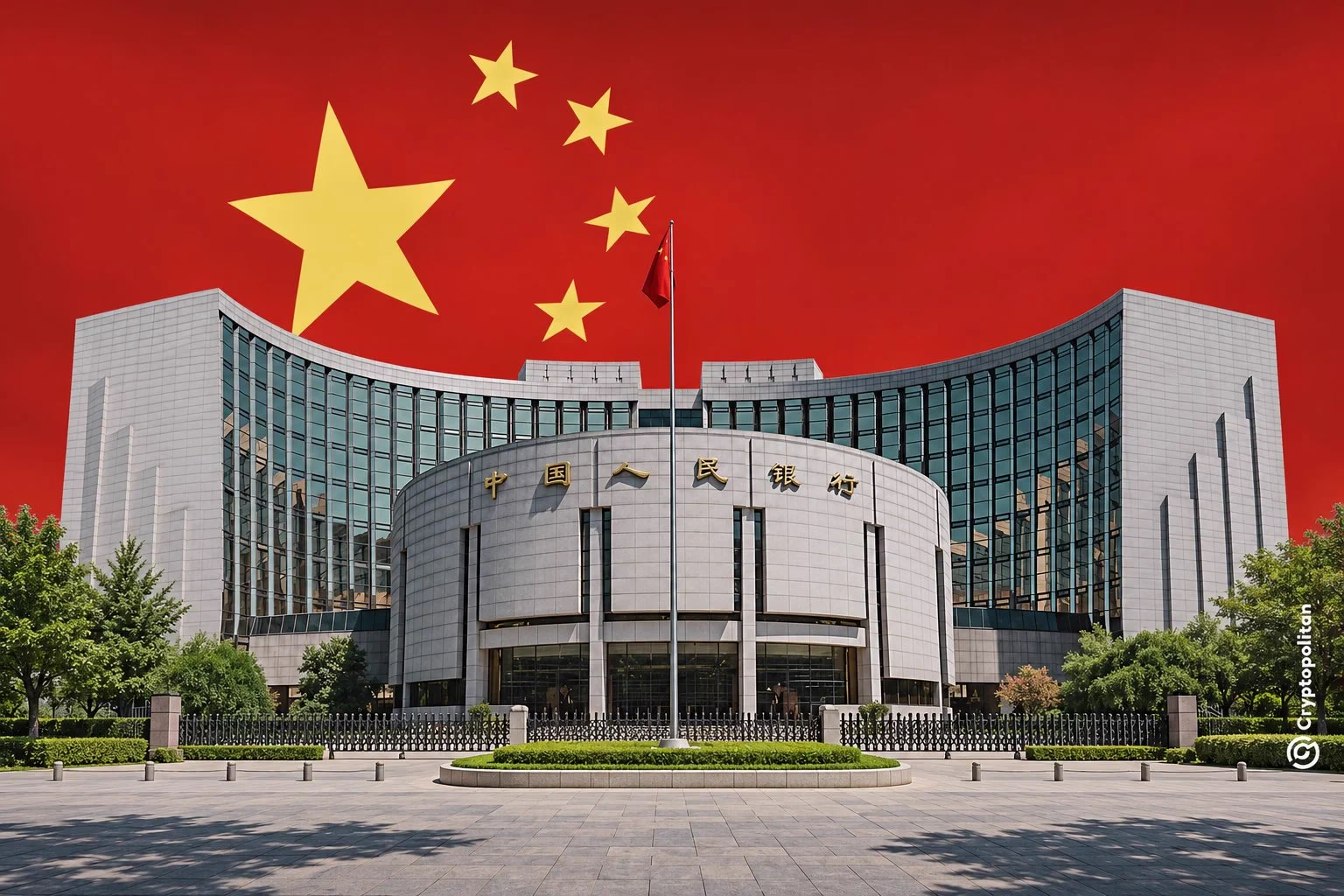
China’s central bank is preparing to investigate Solana’s mainland activities, the South China Morning Post reported on November 10, 2026, after the Solana Foundation opened a Shanghai office and its Accelerate event there was suspended. An unnamed central bank official said the activities are illegal under a February 2026 multi-agency notice. No penalty has been announced.
Financial News, a publication linked to the PBOC, identified Solana as a virtual currency issuance platform. It also described the blockchain as providing issuance and trading services for major digital assets.
An unnamed central bank official said those activities were not permitted on the mainland and were classified as illegal under a notice issued in February.
“Overseas entities and individuals may not, in any form, illegally provide RWA-tokenization-related services to domestic entities,” the multi-agency notice stated.
The reference to real-world asset tokenization places that activity within the restrictions cited by authorities. The supplied report does not specify which individual transactions or services investigators intend to examine.
The illegal crypto service concerns therefore remain broader than a disclosed allegation about a particular transaction. They relate to the platform’s reported mainland presence and the activities authorities associate with virtual currency issuance and trading.
The Solana Foundation’s Shanghai office initially drew a different reaction from prominent industry figures.
Binance co-founder Changpeng Zhao welcomed the development, reflecting the surprise surrounding an international cryptocurrency project establishing a commercial presence in mainland China.
“It’s amazing to see that Solana was able to advertise and even get an office in China,” Zhao said.
The launch included a light show displaying Solana’s branding and colours on the curtain wall of the Citibank tower in Shanghai’s Lujiazui financial district.
That public visibility helped fuel speculation about a possible change in China’s approach. The reported illegal crypto service scrutiny now challenges those interpretations, although the office launch itself was never identified in the supplied account as an announcement of regulatory approval.
The distinction matters: a prominent commercial launch can attract industry enthusiasm without establishing that authorities have changed the rules governing the underlying business.
The illegal crypto service concerns also show why the office’s existence and the legality of particular activities must be considered separately. The report does not establish that the launch granted permission to offer issuance, trading or tokenization services.
Attention intensified after the Solana Accelerate event in Shanghai was suspended on October 16.
Solana Foundation President Lily Liu attributed the suspension to attendance exceeding the number registered with local authorities. Her explanation focused on the venue’s capacity and the scale of community participation.
The subsequent report offered an enforcement-related account, stating that law enforcement personnel were present and that the PBOC had direct involvement in the suspension. It also described an investigation into the entities and individuals involved as pending.
Those accounts present different explanations for the interruption. The supplied material does not independently resolve the relationship between attendance concerns and the reported illegal crypto service investigation.
Accelerate’s advertised themes included artificial intelligence, robotics, physical AI, emerging markets and local business development. According to the report, its programme avoided cryptocurrency trading and speculation.
That programming did not prevent the reported scrutiny. However, the source does not identify which event activities, if any, authorities regarded as prohibited.
The unnamed PBOC official described plans to work with other departments and local governments against domestic virtual currency businesses and mainland entities associated with overseas issuance and trading platforms.
The official said authorities would “continue to crack down on domestic virtual currency-related business activities and maintain economic and financial order.”
The statement places the illegal crypto service concerns within a wider enforcement effort rather than presenting them solely as an issue involving one Shanghai gathering.
For Solana, the outstanding questions concern the scope of the reported investigation, which entities or individuals may be examined and what specific conduct authorities believe crossed regulatory boundaries.
The supplied account provides no announced penalty or final determination. It also does not include a detailed Solana Foundation response to the newly reported central bank scrutiny beyond Liu’s earlier explanation of the event suspension.
For now, the illegal crypto service concerns undermine expectations that the Shanghai expansion signalled a broader reopening. The reported investigation and the central bank official’s comments instead indicate that authorities continue to view mainland virtual currency business activity through an enforcement lens.



Copyright © 2025 - The Bit Gazette.