

- Trending
- Comments
- Latest

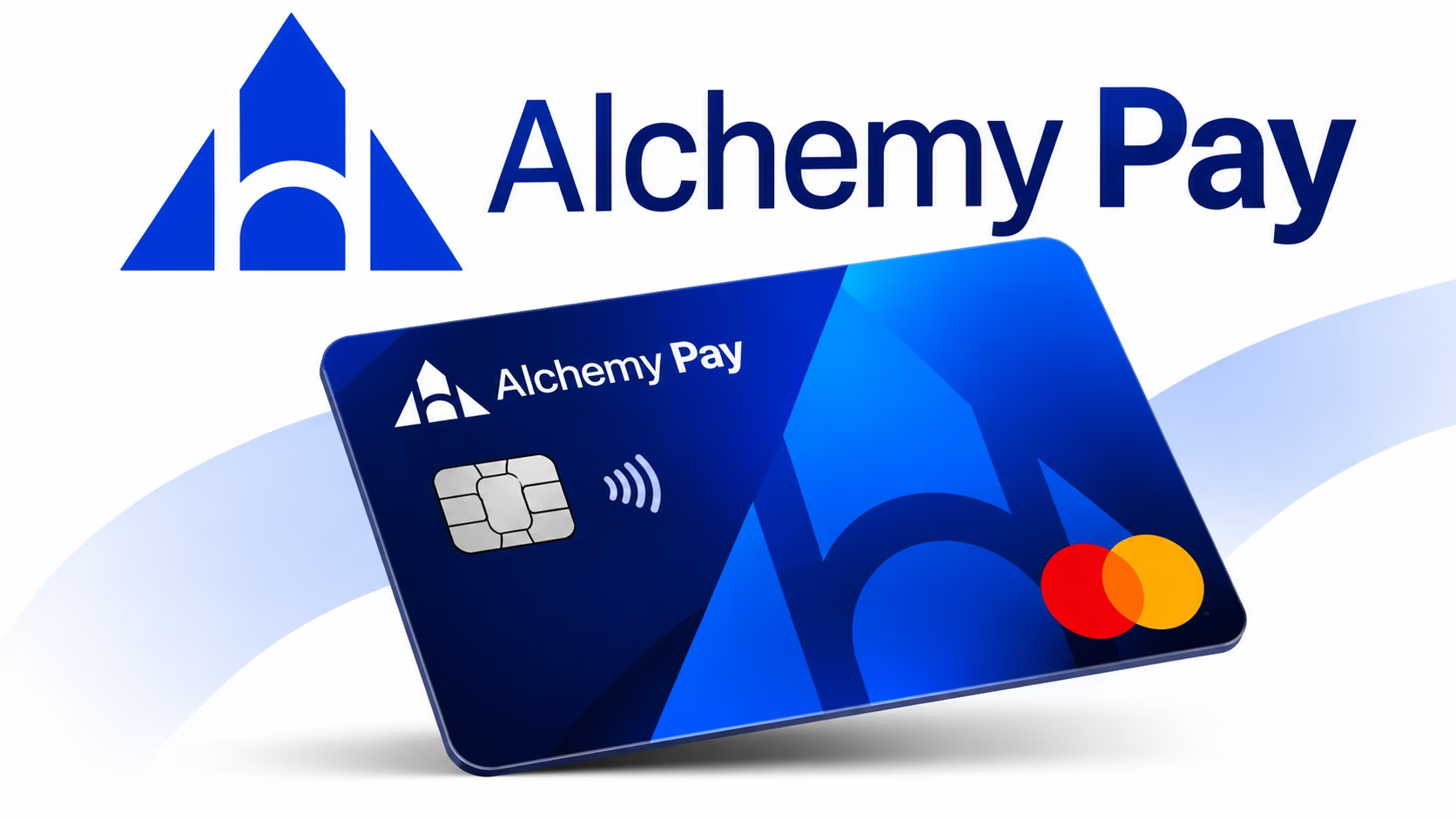
Alchemy Pay has secured a money transmitter licence from the Mississippi Department of Banking and Consumer Finance, its 20th US state licence, the company said on November 5, 2026. Alchemy Pay, Inc. says on its US website that it is pre-operational and does not yet serve customers in the United States.
The Mississippi Department of Banking and Consumer Finance granted the new Money Transmitter Licence (MTL), authorizing applicable money transmission activities within the state, according to the company’s November 5 announcement.
The department is responsible for supervising and licensing nonbank financial service providers operating in Mississippi. Its responsibilities include reviewing applications, maintaining licences and conducting periodic examinations of licensed businesses.
The regulator explains that its responsibilities include the “periodic examination of licensed entities to ensure compliance with Mississippi laws.” This highlights that receiving authorization is not necessarily the end of regulatory oversight.
For Alchemy Pay, the approval adds Mississippi to a licensing network that includes Arkansas, Iowa, Minnesota, New Hampshire, New Mexico, Oklahoma, Oregon, Michigan, Wyoming, Arizona, South Carolina, Kansas, West Virginia, South Dakota, Nebraska, Delaware, Rhode Island, Maine and Illinois.
The company has also indicated that applications for additional state authorizations remain under regulatory review.
Businesses and consumers seeking to confirm its current licensing position can consult the Nationwide Multistate Licensing System (NMLS) Consumer Access database. This provides a public channel for checking financial services licensing information rather than relying exclusively on corporate announcements.
Money transmission regulations are particularly relevant to cryptocurrency businesses because many digital asset services involve moving value between traditional financial systems and blockchain networks.
For example, a customer purchasing cryptocurrency with a bank card may interact with several financial intermediaries. The transaction could involve payment processors, banking partners, currency conversion services and digital asset infrastructure before the purchased cryptocurrency reaches the customer’s wallet.
These activities can trigger money transmission requirements depending on how the service is structured, which entity handles customer funds and the jurisdictions involved.
Consequently, obtaining state authorizations is an important part of establishing a compliant payment operation. It also gives commercial partners a clearer picture of the regulatory framework governing the company’s applicable activities.
However, a money transmitter licence does not automatically mean that customer funds are insured, that cryptocurrency investments are protected against market losses or that every product offered by a company has received regulatory approval.
This distinction is especially relevant to Alchemy Pay’s broader business strategy, which focuses on connecting fiat currencies with digital assets through payment infrastructure.
The company offers services including fiat-to-crypto and crypto-to-fiat transactions, NFT Checkout and other Web3 financial products. Its international payment network is designed to support access to cryptocurrency services across multiple markets.
Importantly, its US corporate website states that Alchemy Pay, Inc. is currently pre-operational and does not accept customers or provide money transmission, on-ramp or off-ramp services in the United States. It says future services will remain subject to the necessary licensing and regulatory approvals. This means the growing licence count should not be interpreted as evidence that US services are already live.
Beyond conventional cryptocurrency payment services, the licensing development also connects with the company’s ambitions in stablecoin infrastructure.
The November announcement referenced Alchemy Chain, a stablecoin-focused Layer 1 blockchain being developed to support stablecoin payments and financial applications.
Stablecoins have attracted increasing attention from financial institutions and cryptocurrency businesses because they are designed to maintain a relatively stable value against reference assets, commonly fiat currencies such as the US dollar.
Their potential applications include cross-border transfers, merchant payments, international settlements and other financial transactions.
For Alchemy Pay, developing infrastructure that connects traditional currencies with blockchain-based payment systems could create additional opportunities as demand for stablecoin services develops.
Nevertheless, the company acknowledged that any future stablecoin issuance would remain subject to applicable regulatory requirements. The Mississippi licence should therefore not be interpreted as approval to issue stablecoins or operate Alchemy Chain.
The company also highlighted its international regulatory progress, including Digital Currency Exchange Provider registration in Australia, electronic financial business registration in South Korea and membership in Switzerland’s VQF self-regulatory organization.
The expansion to 20 licensed states represents a measurable regulatory milestone, but the number alone does not establish how extensively the company is operating in the American payments market.
For investors, merchants and potential banking partners, the more significant developments will involve actual service availability, transaction volumes, banking relationships and the company’s ability to maintain compliance across different jurisdictions.
Alchemy Pay has stated that it is continuing to pursue additional state licences, suggesting that its US regulatory expansion remains ongoing.
Its next challenge will be translating those authorizations into operational services while meeting the requirements attached to each jurisdiction.
The distinction between regulatory permission and commercial activity will remain central to assessing the company’s progress. A larger licensing portfolio can establish the foundation for future expansion, but it does not automatically guarantee customer adoption or revenue growth.
Ultimately, Alchemy Pay’s Mississippi approval illustrates how cryptocurrency payment providers are approaching the US market through state-by-state regulatory compliance. As digital assets become increasingly integrated into conventional financial services, regulatory authorization, dependable banking partnerships and operational transparency will remain essential to building sustainable payment infrastructure.



Copyright © 2025 - The Bit Gazette.