







- Trending
- Comments
- Latest

Fake GTA VI pre-order websites are tricking buyers into connecting crypto wallets to drainer tools, according to a Blockaid security report dated Nov. 18, 2026.
One site imitating the PlayStation Store listed the Ultimate Edition at $89.99 but replaced checkout with a wallet pop-up, and every connection option led to the same drainer infrastructure, Blockaid found.
According to Blockaid’s November 18 security report, cybercriminals have established dozens of websites designed to imitate legitimate gaming storefronts.
Some of these platforms closely resemble the official PlayStation Store, making it difficult for inexperienced buyers to distinguish fraudulent pages from genuine retailers.
One particularly convincing imitation advertised the Grand Theft Auto VI: Ultimate Edition for $89.99. However, instead of directing customers to a conventional payment checkout, its purchase button opened a cryptocurrency wallet connection interface.
The window displayed familiar wallet brands, including Trust Wallet, TronLink, WalletConnect, Bybit, OKX, Bitget, TokenPocket, imToken and Ledger.
Despite appearing legitimate, Blockaid discovered that the different connection options redirected users to the same malicious wallet-draining infrastructure.
Other fraudulent platforms promoted similar offers, requiring customers to connect their wallets before supposedly purchasing the game.
Some subsequently changed their methods, introducing different drainer tools that specifically targeted TronLink users and wallets operating on Solana.
Blockaid also identified websites advertising free GTA-themed cryptocurrency rewards to attract potential victims.
This warning directly challenges fraudulent promotions suggesting that Rockstar Games has introduced a cryptocurrency connected to the gaming franchise.
Beyond fraudulent storefronts, the investigation uncovered substantial activity involving imitation cryptocurrency tokens across several blockchain networks.
Between July 4 and November 4, Blockaid identified more than 20,000 tokens carrying the GTA name on Solana. Of these, over 8,800 received malicious, warning or spam classifications.
Approximately 46% of the flagged tokens originated from launchpads resembling pump.fun, highlighting how easily scammers can exploit permissionless token creation platforms.
The investigation also identified 593 suspicious GTA-themed tokens on Base and another 111 on Ethereum. Many originated from disposable wallets, making it harder for investors to establish the identities of their creators.
Another concern involved fraudulent social media promotions. Blockaid documented 451 GTA-related promotional posts published by 116 accounts over four months.
Many followed an almost identical promotional structure, encouraging users to claim supposedly available rewards.
Some posts used phrases such as “the airdrop is live, check your eligibility” to create urgency. Others included the statement “the team never sends private links,” presenting themselves as safety-conscious announcements while directing users towards malicious applications.
The danger extends beyond wallet connections. Investors purchasing newly created tokens may also encounter hidden contract permissions, concentrated token ownership and mechanisms that allow developers to interfere with transactions.
One example highlighted in the report involved an Ethereum token named Cyberleek, which Blockaid classified as a rug-pull risk. Another contract carrying the Grand Theft Auto VI name received a backdoor warning.
These findings suggest that the GTA VI pre-order scam ecosystem is not limited to fake online shops. It also includes token manipulation, impersonation campaigns and potentially dangerous decentralized applications.
On November 3, a buyer reported through Chainabuse that they had purchased a token called GTA6DOG, trading under the RICO ticker, through Uniswap.
Approximately one minute after the purchase, the token’s creator transferred the buyer’s entire balance of 271,031 RICO tokens to a burn address without the buyer’s approval.
A burn address is generally designed to receive tokens that cannot subsequently be recovered through ordinary wallet transactions.
The incident was particularly concerning because the token was only around 11 hours old when the transaction occurred. Earlier small test sales had reportedly succeeded, potentially giving buyers a false impression that the project was safe.
Blockaid’s scanner initially assessed the token on November 3 and classified it as risky within approximately an hour. After more than 1,900 scans, its system continued warning that a single holder controlled a significant portion of the token supply.
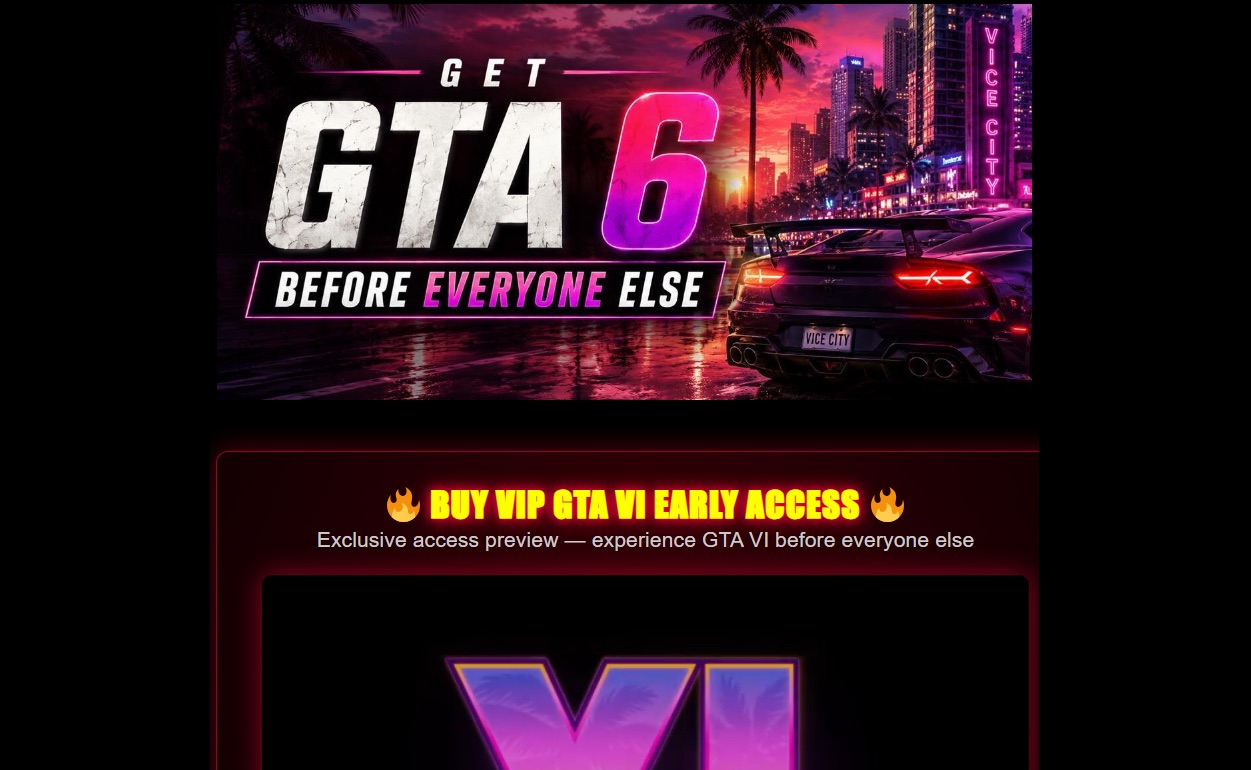
Earlier campaigns reportedly involved websites offering supposed VIP digital access to the game for $250, payable in Bitcoin, USDT or Ether.
These developments show how gaming-related excitement can be converted into opportunities for financial exploitation across multiple cryptocurrency ecosystems.
The emergence of these fraudulent campaigns raises broader concerns about security within the cryptocurrency industry, particularly as scammers increasingly target communities built around popular entertainment brands.
The GTA VI pre-order situation reinforces the importance of conducting independent research before purchasing newly launched tokens or interacting with unfamiliar decentralized applications.
Blockaid also explained that its security infrastructure examines suspicious websites, analyses token contracts and simulates transactions to identify potentially harmful activities before users approve them.
Importantly, the company advises users not to trust familiar branding alone. Fraudulent platforms can reproduce legitimate wallet logos and storefront designs without having any connection to the companies they impersonate.
The GTA VI pre-order controversy is therefore another reminder that cryptocurrency security depends on more than protecting private keys. Investors must also carefully assess the websites, smart contracts and applications they interact with.



Copyright © 2025 - The Bit Gazette.

