







- Trending
- Comments
- Latest

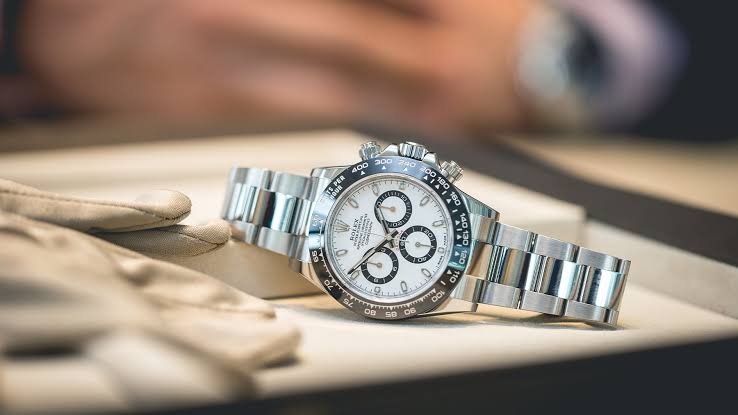
Luxury watch prices fell for 11 straight quarters even as bitcoin gained 156% in 2023 and another 121% in 2024, according to a Nov. 23 analysis by Alfredo de Candia for HackerNoon. The finding challenges the idea that crypto gains drive the secondary watch market, a link that looked strong during the 2021 boom.
Between December 2020 and November 2021, Bitcoin rose from a monthly close of about $28,900 to $57,000. Ether climbed from roughly $740 to $4,630 over the same eleven months. Those gains gave crypto holders more money to spend just as low interest rates and growing interest in luxury goods were drawing buyers into secondhand watches.
WatchCharts attributed the early boom in part to “an influx of speculative buyers,” identifying crypto gains as one source of demand. The timing lends some support to that account. Crypto prices peaked in November 2021, while the luxury watch market continued climbing for several months before turning down in early 2022. The sequence is consistent with investors spending some of their gains on watches, although price data alone cannot establish how many did so or how much they spent.
Interest rates began rising in March 2022. By the end of that year, Bitcoin had lost 64% and Ether had fallen 68%. Secondhand watches also entered a decline, reinforcing the impression that a buyer following crypto prices could anticipate what a Rolex might fetch on resale.
Bitcoin ended 2022 near $16,500. Over the next two calendar years, its price rose more than fivefold. If gains on crypto holdings had remained a dominant source of demand in the luxury watch market, that recovery offered ample opportunity for a second watch rally.
Instead, the overall WatchCharts index recorded eleven consecutive quarterly declines before beginning to recover in early 2025. The duration matters. Watch prices had lagged crypto by a few months at the top of the boom. During the rebound, the luxury watch market continued falling through two years of substantial Bitcoin gains.
There is a limit to what the comparison can establish. De Candia used public Binance trading data for Bitcoin and Ether, but WatchCharts’ full historical index series is proprietary. He therefore compared published figures and turning points without calculating a correlation coefficient. The results show when the two markets moved apart. They cannot put a precise figure on crypto’s contribution to the original run-up.
In 2025, the divergence ran the other way. Patek Philippe resale prices rose 12.7%, Rolex gained 6% and Audemars Piguet added 1.5%. Over the same calendar year, Bitcoin fell 6.3% and Ether lost 11%. Even within the luxury watch market, the recovery was selective. The other 24 brands tracked by WatchCharts fell 3.2% on average.
That gap matters to anyone using Rolex prices as a guide to the wider luxury watch market. Patek Philippe gained more than twice as much as Rolex, while the average among the other 24 brands remained negative. WatchCharts pointed to rising gold prices, uncertainty over tariffs and repeated increases in manufacturers’ retail prices. It said demand “feels more organic” than it did during the speculative boom.
The later figures tell a similar story, though they cover different periods. Patek Philippe prices rose 18.1% in the twelve months through September 2026. By mid-November, Bitcoin was trading around $65,700, more than 40% below its July 2025 monthly close of about $115,800.
For someone buying in the secondary luxury watch market, recent sales of the same model offer a more useful starting point than Bitcoin’s latest move. De Candia advises checking the reference and serial numbers against the paperwork and asking for clear photographs of the dial, case back and clasp. For an expensive piece, he recommends an independent watchmaker or authorized service center examine it before payment.
The price history leaves room for crypto profits to have influenced the luxury watch market in 2021. It also shows why that episode was a poor guide to what followed. Buyers who waited for Bitcoin’s recovery to lift secondhand watches saw the index fall for eleven quarters. When resale prices finally rose, the brand on the dial made a considerable difference.



Copyright © 2025 - The Bit Gazette.

