


- Trending
- Comments
- Latest

Football-related ticket fraud cases rose 36% during the current Premier League season, Lloyds Banking Group has warned, as investigators signal that the trend is expected to worsen ahead of the 2026 FIFA World Cup.
The group said football-related ticket fraud cases rose 36% during the current Premier League season, with total financial losses climbing 42% compared with the same period a year earlier.
The warning comes as anticipation builds for the 2026 FIFA World Cup, which will be jointly hosted by United States, Canada, and Mexico.
Analysts now expect the World Cup ticket scam trend to intensify as demand for tickets accelerates closer to kickoff.
According to Lloyds, the average victim of a World Cup ticket scam or football-related fraud lost approximately £215, although some victims reportedly lost thousands.
The bank said football-related scams represented 32% of all ticket fraud cases recorded during the reporting period.
The typical World Cup ticket scam follows a familiar pattern. Fraudsters advertise fake tickets on social media platforms, convince buyers to continue conversations on encrypted messaging apps like WhatsApp, and request direct bank transfers before disappearing once payment is made.
Investigators also warned about counterfeit QR codes, fake waiting lists, and fraudulent pre-sale offers designed to exploit fans desperate to secure seats for high-profile matches.
The rising World Cup ticket scam threat comes amid unprecedented global demand for the tournament.
FIFA reportedly received more than 500 million ticket requests for the 2026 competition, far exceeding demand recorded during the 2018 and 2022 tournaments combined.
The organization has also dramatically increased premium ticket prices. Top Category 1 seats for the July 19 final at MetLife Stadium were listed at nearly $33,000, almost triple the previous World Cup final pricing peak.

Security experts say those high prices create ideal conditions for a World Cup ticket scam ecosystem to flourish.
Authorities say social media platforms remain the primary channel for World Cup ticket scam operations.
Fraudsters frequently impersonate legitimate resellers, fan groups, or even sports agencies to gain credibility before pressuring buyers into rushed payments.
Because many fake listings disappear shortly after transactions are completed, recovering stolen funds becomes extremely difficult.
Consumer protection specialists say the emotional nature of football fandom makes supporters especially vulnerable to manipulation.
“Scammers know fans are willing to act quickly when they believe tickets are scarce,” one UK fraud investigator noted in recent awareness campaigns surrounding tournament-related scams.
The scale of the World Cup ticket scam problem has pushed financial institutions and regulators to intensify public education efforts before the tournament officially begins.
Beyond fake ticket sales, experts say the World Cup ticket scam landscape is now expanding into crypto-related fraud.
Lloyds and several law enforcement campaigns warned about unregulated fan tokens and imitation crypto projects attempting to capitalize on tournament hype.
Fan tokens tied to national teams and football brands have gained visibility in recent years, but regulators remain concerned about speculative risks and deceptive marketing practices.
The UK House of Commons previously concluded that promoting fan tokens to supporters could expose fans to financial harm and damage club reputations.
Investigators say the World Cup ticket scam environment is especially dangerous because fake crypto projects often use national team branding, tournament themes, or celebrity endorsements to appear legitimate.
Some fraudulent projects reportedly include hidden swap taxes or rug-pull mechanics designed to drain investor funds after attracting initial hype.
One previous example cited by investigators involved a “World Cup Inu” token project accused of exploiting retail investors during a prior tournament cycle.

The overlap between sports fandom and speculative crypto markets has created what regulators describe as a “high-risk environment” for inexperienced investors.
As concerns around the World Cup ticket scam threat grow, authorities are urging fans to avoid unofficial marketplaces and rely exclusively on FIFA-approved ticketing systems.
Officials specifically advised supporters to verify purchases through FIFA’s official resale marketplace and to treat unsolicited offers on social media as immediate red flags.
Security experts also warned against buying tournament-related crypto tokens from unknown issuers or unregulated platforms.
The World Cup ticket scam warnings arrive at a time when global sports fraud is becoming increasingly sophisticated, often involving cloned websites, fake customer support agents, and AI-generated promotional material. Banks say prevention remains the strongest defense.
The 2026 tournament is expected to become the largest World Cup in history, featuring an expanded 48-team format and matches across North America.
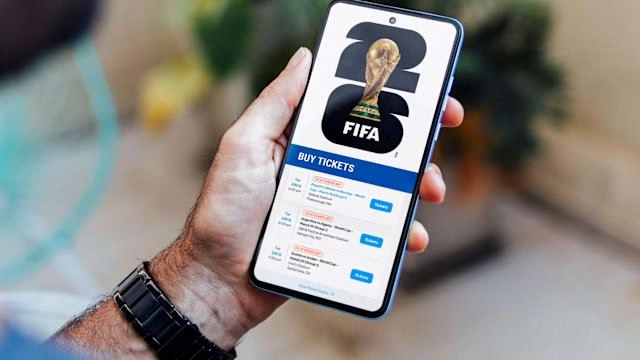
That scale is contributing to extraordinary demand, which analysts say will likely fuel further World Cup ticket scam activity in the months ahead.
Fraud monitoring groups expect scams to intensify as ticket allocation phases continue and public excitement reaches new highs.
For cybercriminals, the combination of emotional urgency, limited availability, and global attention creates ideal conditions for manipulation.
The World Cup ticket scam surge also highlights a broader issue facing major global sporting events: digital fraud now moves almost as fast as fan demand itself.
With kickoff only weeks away, banks, regulators, and investigators are racing to limit losses before fraud cases escalate even further during the tournament.



Copyright © 2025 - The Bit Gazette.