






- Trending
- Comments
- Latest

Sony-backed layer-2 network Soneium is repositioning itself as an entertainment economy, announcing a tokenized IP framework, K-pop concert royalty deals and a planned native token.
The October 26 roadmap lets creators, studios and fans share in the financing, licensing and revenue of projects across an ecosystem that already hosts more than 250 apps.
Soneium describes its approach as a way to represent the future economic value of creative projects on-chain. Rather than limiting participation to a single type of digital asset, the framework accommodates different forms of ownership and engagement.
“Entertainment starts with creators,” said Yuji Kumagai, head of Soneium Protocol.
The platform’s tokenized IP model can include nonfungible collectibles intended for fan engagement, as well as fungible tokens designed to circulate as primary currencies within individual entertainment ecosystems. Both formats would feature automated revenue-splitting capabilities.
For creators, the proposed framework offers alternative funding mechanisms. For intellectual property holders, it is intended to provide clearer licensing terms and automated royalty distribution as artificial intelligence-assisted content creation expands.
“Today, Soneium enters a new stage built to stand behind them. We will help them fund their next work at a new scale, try new forms of expression and find fresh ways to connect with fans,” Kumagai said.
His comments position the initiative around the practical needs of entertainment producers: financing new work, experimenting with formats and maintaining relationships with audiences.
The first rollout of tokenized IP features Moriusa, a character property from Tokyo-based entertainment company Super State Holdings. Its integration will support merchandise, animated short series and wider licensing ventures.
That gives the initiative an initial application spanning several uses of the same creative property. Merchandise and animation sit alongside licensing within the proposed framework, rather than being treated as unrelated activities.
Soneium also plans to extend the model beyond individual character assets. Its roadmap includes financial products offering indirect exposure to entertainment portfolios, alongside bond instruments backed by entertainment revenues.
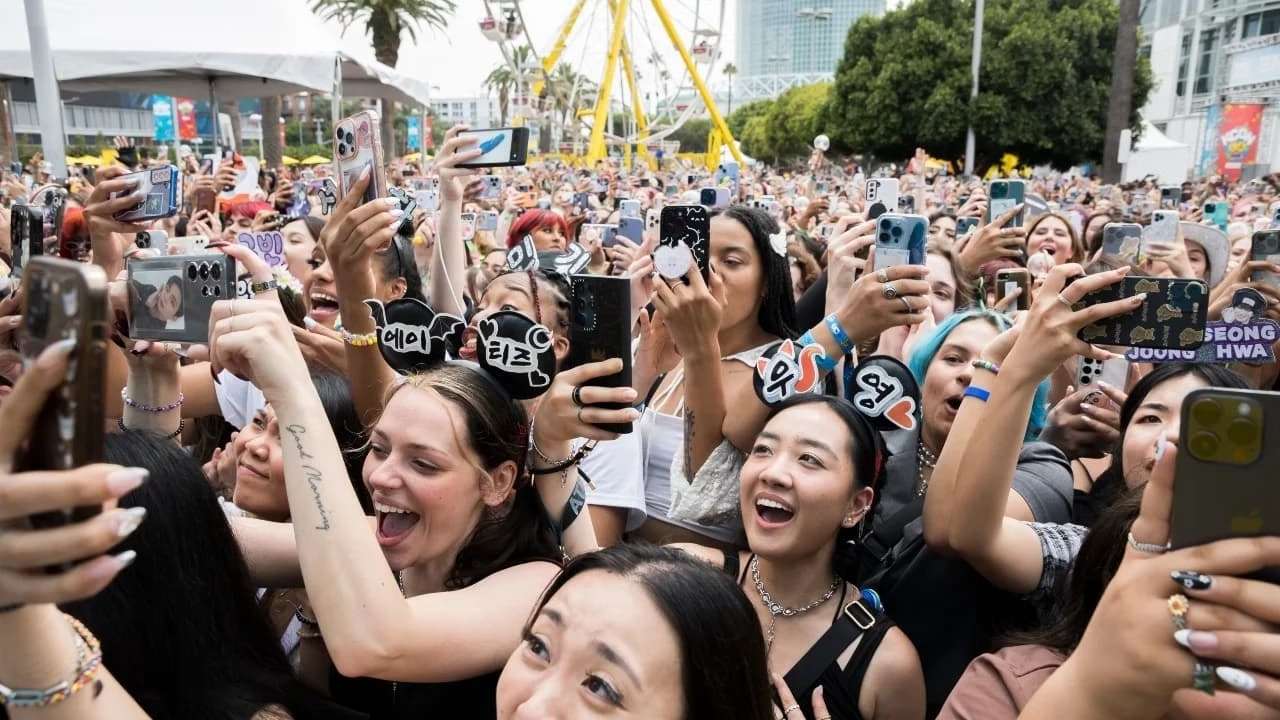
A partnership with K-pop enterprise Dayonedream will bring live concert royalty streams into the tokenized IP strategy. The collaboration focuses on tokenizing those revenue streams, connecting the broader roadmap to income generated by live entertainment.
These plans cover distinct forms of participation. Fan collectibles, currencies used within particular IP economies and products tied to entertainment revenues serve different purposes, even though all fall within Soneium’s proposed ecosystem.
To support tokenized IP licensing across platforms, Soneium says it is adopting ERC-8432, a standard providing machine-readable licensing interfaces.
According to the roadmap, those interfaces would allow human operators and autonomous AI agents to verify and settle rights agreements without platform lock-in. The intended result is a framework in which licensing information can be understood and acted upon across different services.
This component addresses how creative rights would function within the ecosystem. Representing an entertainment asset on-chain is one part of the proposal; establishing how others may use that asset and how payments are distributed is another.
Soneium links its tokenized IP plans to clearer licensing terms amid the growth of AI-assisted creation. Automated royalty distribution and machine-readable rights agreements are therefore presented as supporting infrastructure for the entertainment economy it wants to build.
The planned native Soneium token will serve as an economic layer across the network. Soneium says it is designed to align incentives among creators, rights holders, developers and users.
The announcement connects that token to the broader tokenized IP framework but leaves its launch timing unresolved. Details of the token generation event schedule will be released later, according to the company.
Users will access the ecosystem through the Soneium Portal and the Startale App, providing entry points for the network’s expanding entertainment activities.
The roadmap brings creator financing, licensing, fan engagement and entertainment-backed financial products into one strategy. With initial projects identified and the token schedule still pending, Soneium’s next steps will determine how its tokenized IP ambitions translate into services for creators and audiences.



Copyright © 2025 - The Bit Gazette.

