
- Trending
- Comments
- Latest

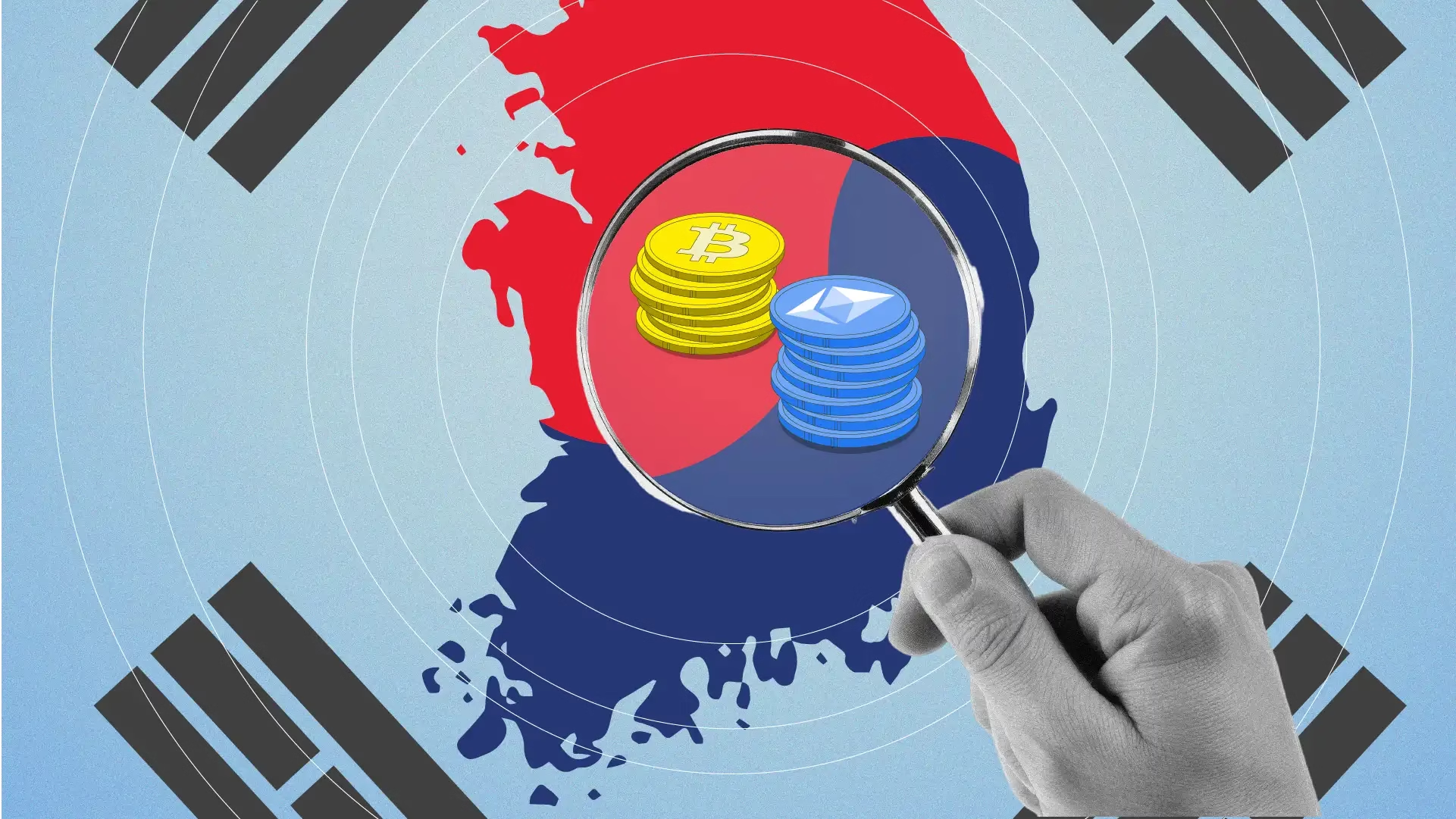
South Korean officials will meet Upbit, Bithumb, Coinone, Gopax and DAXA on Tuesday, October 20, as pressure grows to delay a crypto tax that is currently due on January 1, 2027. A bill filed on October 16 by lawmaker Park Min-gyu would push the start to 2029, but it has not passed, and the 2027 date still stands.
The proposed Crypto tax has remained contentious in South Korea for years, with policymakers struggling to balance tax collection, investor protection and the practical challenges of monitoring digital asset transactions.
Authorities have postponed implementation three times, reflecting persistent disagreements over the rules and concerns about the industry’s ability to comply. Under the current schedule, the tax is expected to take effect on January 1, 2027.
However, pressure from lawmakers and cryptocurrency businesses has revived calls to reconsider that timeline.
The upcoming consultation is expected to include Kwon Dae-young, first vice minister of finance and economy, and Yoo Young-jun, director general for digital financial policy at the Financial Services Commission.
The main concern is whether the necessary systems and transaction standards will be ready before the proposed start date.
Crypto trading can involve multiple transaction types, transfers between platforms and other activities that require clear reporting procedures if tax liabilities are to be calculated consistently.
An exchange representative cited by Yonhap highlighted the difficulties facing the industry, stating: “Standards for different transaction types have not yet been finalized, and time is running short for practical preparations on the infrastructure side.”
These comments underline the industry’s argument that introducing taxation without sufficiently developed compliance systems could create operational problems for exchanges and uncertainty for investors.
The debate intensified after Democratic Party of Korea lawmaker Park Min-gyu introduced legislation on Friday, October 16, seeking to link the start of the Crypto tax to South Korea’s participation in an international framework for exchanging cryptocurrency tax information.
The proposal would postpone taxation until January 1 of the second year after South Korea begins sharing data under the Organisation for Economic Co-operation and Development’s Crypto-Asset Reporting Framework (CARF).
South Korea is expected to begin its first exchange of information under the framework in 2027. If that schedule proceeds and lawmakers approve the proposal, the new tax commencement date would move to January 1, 2029.
CARF is designed to help participating jurisdictions exchange information on crypto-asset transactions for tax purposes. Its implementation could improve authorities’ ability to monitor cross-border activity and identify taxable income involving digital assets.
The Crypto tax debate matters to investors because the timing and structure of taxation can affect after-tax returns, recordkeeping requirements and decisions about trading activity.
Under the previously announced framework, annual gains from transferring or lending digital assets exceeding 2.5 million South Korean won would be subject to a 20% income tax, alongside a 2% local income tax. That would produce a combined rate of 22% on qualifying gains above the applicable threshold.
A tax on qualifying income is not necessarily a tax on every transaction’s full value. The precise calculation depends on the applicable legislation and its rules for determining taxable income.
Another postponement could provide additional preparation time, but it would not necessarily mean that the tax would be abandoned. The government, lawmakers and industry representatives still need to resolve the questions surrounding implementation.
Investors using South Korean exchanges should keep accurate records of purchases, sales, transfers and lending activity, while monitoring official announcements for changes to the rules.
Those who trade across multiple platforms may also need to understand how transaction histories and cost-basis information will be documented under the final framework.
International investors should avoid assuming that South Korea’s proposed changes automatically affect their own tax obligations. Tax treatment generally depends on the investor’s residency, the relevant jurisdiction and the laws applicable to their circumstances.
The latest discussions illustrate the continuing challenge of developing a workable regulatory framework for digital assets in one of Asia’s important cryptocurrency markets.
The objective is to establish a system that supports tax compliance while giving exchanges clear instructions on reporting and administration. For industry participants, the priority is obtaining sufficient time to prepare systems and implement rules that can be applied consistently.
Clear implementation dates and transparent reporting requirements would help traders plan, although the eventual effect on market activity will depend on the final policy and wider market conditions.
The scheduled meeting and Park Min-gyu’s proposed legislation signal that the debate over Crypto tax remains unresolved. Neither development, on its own, confirms that the 2027 deadline will change.
Until lawmakers formally amend the legislation or authorities issue an official change to the timetable, January 1, 2027 remains the currently reported implementation date.
The central question is whether South Korea will proceed with its existing timetable or give exchanges and regulators more time to prepare.
Any decision to defer the tax until 2029 would represent a significant change for domestic crypto investors, but that outcome still depends on the legislative process.



Copyright © 2025 - The Bit Gazette.