
- Trending
- Comments
- Latest

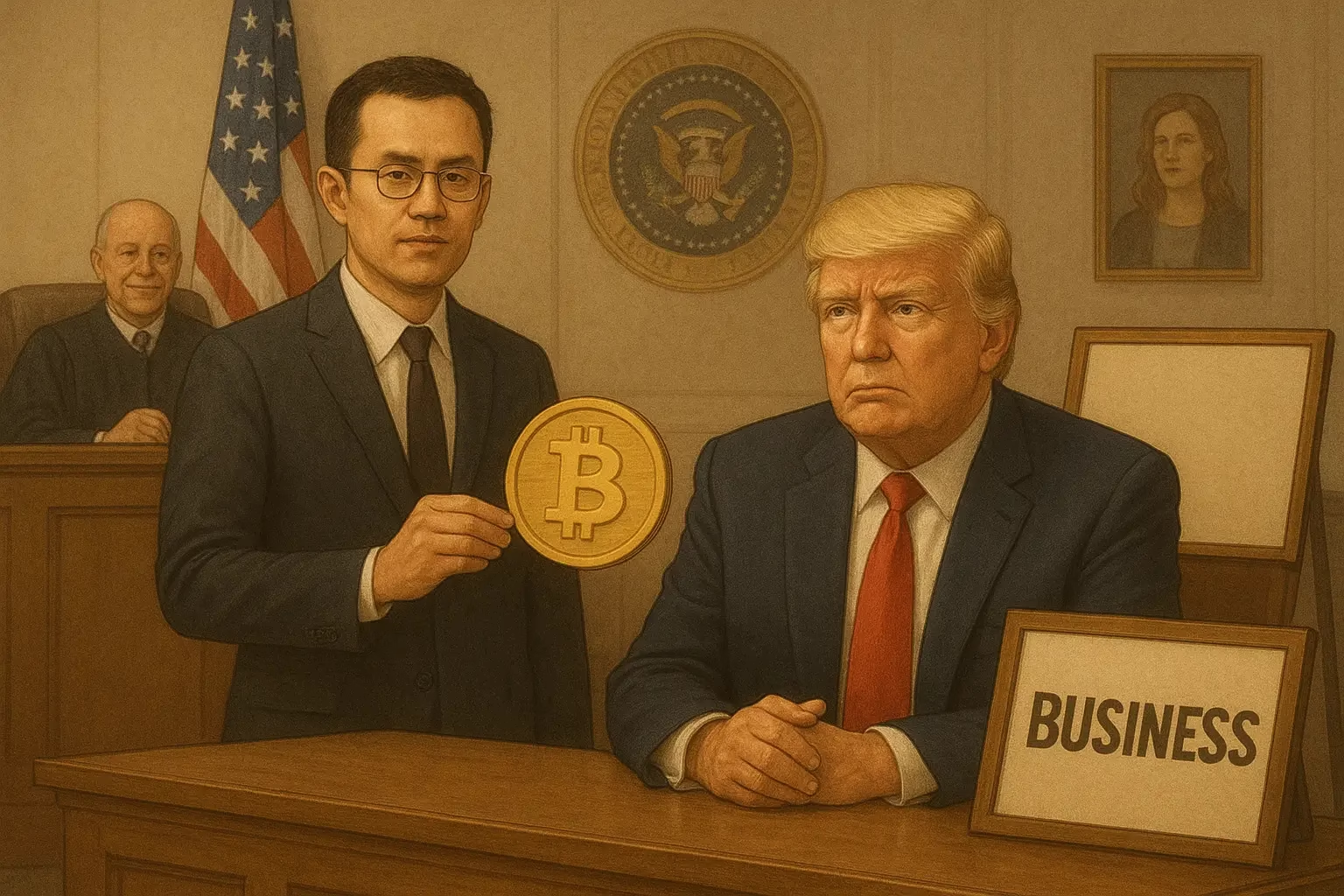
On October 23, 2025, President Donald Trump pardoned Changpeng “CZ” Zhao, the former Binance CEO who pleaded guilty to enabling $20 billion in money laundering for terrorists, drug cartels, and sanctions evaders.
The timing is impossible to ignore: Just months earlier, Binance invested $2 billion in USD1, a stablecoin issued by World Liberty Financial—a Trump family venture co-founded by Donald Trump Jr. and Eric Trump.
This isn’t a story about cryptocurrency regulation or even criminal justice reform. It’s about whether we’ve crossed a line where presidential pardons become transactional—where billion-dollar business deals with a president’s family can purchase clemency for serious financial crimes.
I believe we’ve crossed that line, and the implications extend far beyond crypto.
Let me lay out what’s not in dispute:
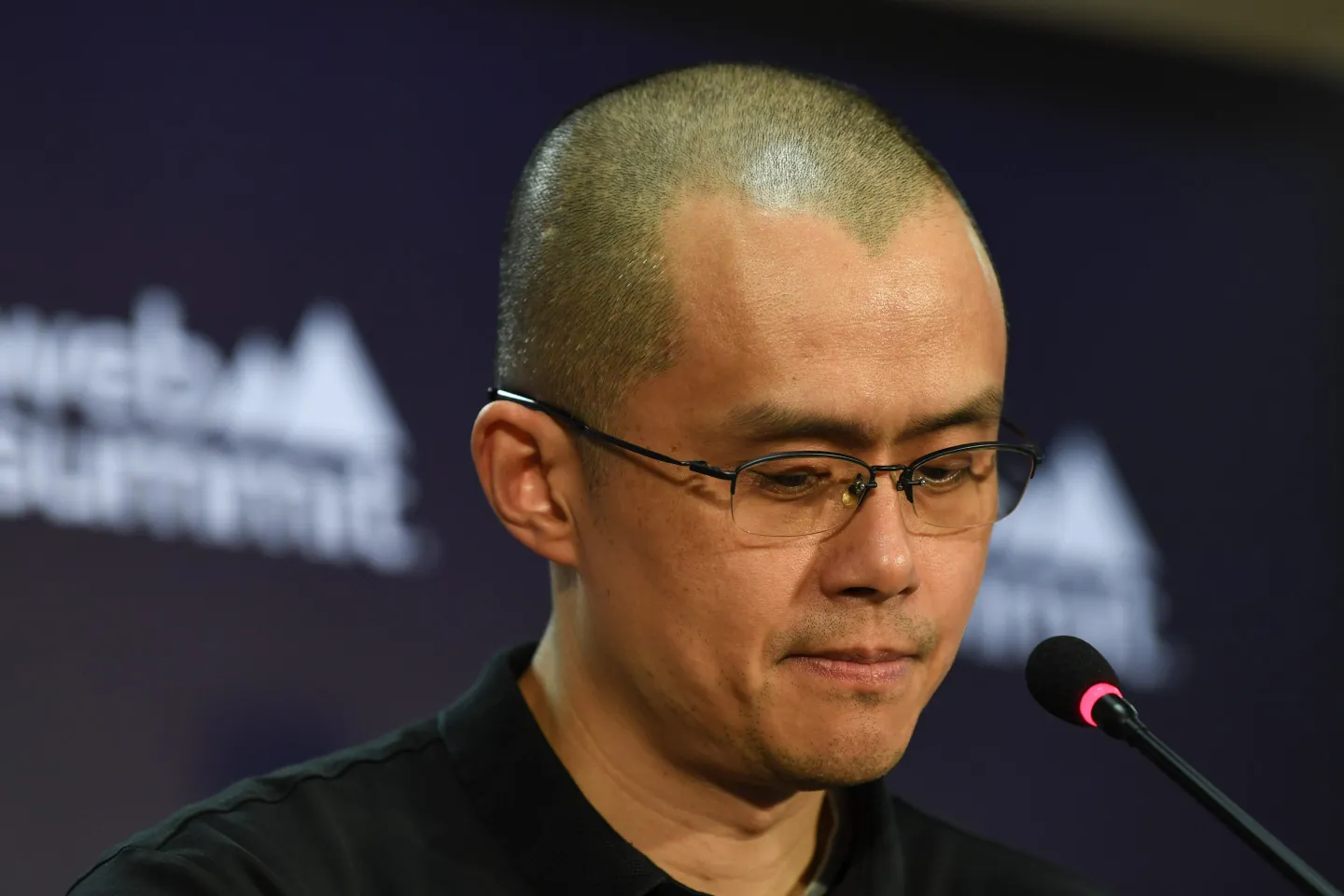
In November 2023, Zhao pleaded guilty to violating the Bank Secrecy Act. Binance admitted to facilitating illicit transactions for designated terrorist organizations, drug trafficking networks, and sanctions evaders.
The exchange paid $4.3 billion—the largest corporate criminal penalty in Department of Justice history. Zhao personally paid $50 million and served four months in federal prison.
World Liberty Financial, launched in September 2024 with Trump’s sons as co-founders, has generated $4.5 billion in post-election activity according to Reuters.
Trump Organization income from crypto-related ventures reached $864 million—17 times year-over-year growth. The family has become deeply embedded in the crypto industry they’re now regulating.
In May 2025, Binance participated in a $2 Billion investment in USD1, World Liberty Financial’s stablecoin project. This happened after CZ’s guilty plea but before his pardon.
Records show payments to Checkmate Government Relations specifically for “executive relief” on digital assets issues.
Less than six months after the Binance investment in the Trump family business, the president issued the pardon.
You don’t need to be a cynic to see the problem here.
The administration framed this as ending the “Biden war on cryptocurrency.” Press Secretary Karoline Leavitt argued there were “no allegations of fraud or identifiable victims.”
This is demonstrably false.
The Department of Justice explicitly documented that Binance facilitated transactions for Hamas, Palestinian Islamic Jihad, and al-Qaeda. They processed transactions for fentanyl and methamphetamine traffickers. They enabled Russian oligarchs to evade sanctions. These aren’t victimless regulatory violations—they’re serious crimes with real human consequences.
When the president says, as he did to CNN’s Kaitlan Collins, “It wasn’t a crime,” he’s simply wrong. CZ pleaded guilty. Binance admitted to criminal conduct. The “overprosecution” narrative doesn’t survive contact with the facts.
Some will argue I’m alleging corruption without proof of explicit quid pro quo. But that misunderstands how conflicts of interest work.
The problem isn’t that we can prove Trump said, “Invest $2 billion and I’ll pardon you.” The problem is that we can’t prove he didn’t consider his family’s financial interests when making the decision. That’s what conflicts of interest destroy: the ability to know whether official acts serve public or private interests.
Senator Elizabeth Warren put it plainly: “CZ pleaded guilty to criminal money laundering… Then he financed President Trump’s stablecoin and lobbied for a pardon. If Congress does not stop this kind of corruption, it owns it.”
She’s right. This isn’t about Trump’s unique venality—it’s about a structural problem that would be concerning regardless of who occupies the White House.
I understand why some in the cryptocurrency industry are celebrating. They see regulatory hostility from the previous administration giving way to support from this one. They view CZ as an innovator punished excessively for technical violations.
But this celebration is shortsighted for three reasons:
The crypto industry has spent years fighting for recognition as a legitimate financial sector. That legitimacy depends on equal application of laws—not on whether you can cut deals with the president’s family.
When industry leaders cheer a pardon that looks this transactional, they’re trading short-term wins for long-term credibility. The next administration could be far less friendly, and the precedent will be set: crypto laws are enforced or ignored based on political relationships and financial deals.
CZ didn’t go to prison for being an innovator. He went to prison because Binance deliberately failed to implement basic anti-money laundering controls that every legitimate financial institution maintains. They processed billions for terrorists and drug traffickers.
Framing this as “overprosecution” of a visionary entrepreneur insults the victims of the crimes Binance facilitated. The crypto industry doesn’t need this kind of “win.”
If the public perception becomes that crypto executives can buy their way out of prison through presidential family business deals, the political backlash will be severe. Congress already has low approval ratings for crypto—this makes it worse, not better.
Here’s what should trouble everyone, regardless of political affiliation:
The Trump family is simultaneously:
This isn’t governance. It’s a protection racket with presidential letterhead.
As Slate’s Nitasha Tiku noted: “Trump’s business relationships… would constitute a presidency-ending scandal in any other administration.”
She’s correct. We’ve normalized conflicts that would have triggered impeachment proceedings a decade ago.
I’m not arguing that cryptocurrency offenders should never receive clemency. Ross Ulbricht’s life sentence for running Silk Road was arguably excessive. Some cryptocurrency cases involved novel legal theories applied retroactively.
But legitimate clemency requires guardrails:
These aren’t anti-Trump provisions—they’re anti-corruption provisions that would apply to any administration.
Trump issued 237 pardons and commutations during his presidency. Many were controversial, but CZ’s stands out for the directness of the financial relationship.
Compare:
The pattern is clear: direct financial relationships with the Trump family correlate with clemency.
The cryptocurrency industry is at a crucial juncture. Institutional adoption is growing. ETFs have launched. Major financial institutions are building crypto infrastructure. Regulatory clarity seemed possible.
Then the president pardons someone who admitted to facilitating terrorist financing, shortly after that person’s company invested billions in the presidential family business.
This undermines everything the industry has worked toward.
When Senator Warren says this demonstrates corruption, she’s not being partisan—she’s stating the obvious. When moderate Democrats and Republicans both express concern, it’s not a political hit job—it’s a genuine crisis of confidence in the rule of law.
The crypto industry’s cheerleading for this pardon will haunt it. Years from now, when advocates argue that cryptocurrency deserves the same regulatory treatment as traditional finance, opponents will point to October 23, 2025, and ask: “You mean like when your industry bought a pardon from the president?”
Based on the pattern established, I expect:
None of this serves the cryptocurrency industry’s long-term interests.
If you’re a crypto executive who genuinely cares about the industry’s future:
Stop celebrating this pardon. It’s a short-term win that creates long-term liabilities.
Support conflict-of-interest reforms. Push for the Clemency Standards Act or similar measures.
Distance your companies from pay-to-play dynamics. Don’t invest in presidential family businesses. Don’t hire the president’s lawyers or lobbyists for clemency work.
Speak up. The industry needs voices willing to say: “This wasn’t right, even if it benefits us.”
I know this is politically difficult. Trump controls regulatory agencies that affect your businesses. But integrity has to mean something, or the entire industry is built on sand.
The cryptocurrency industry faces a fundamental choice: Does it want to be a legitimate component of the global financial system, governed by consistent rules and international standards? Or does it want to be the wild west, where outcomes depend on who you know and what you can pay?
You can’t have both.
If crypto chooses legitimacy, it requires opposing pardons like CZ’s—even when they benefit industry figures. It requires supporting conflict-of-interest safeguards—even when they constrain friendly administrations. It requires admitting that facilitating terrorist financing is disqualifying—even for visionaries.
If crypto chooses the wild west, it will win some short-term regulatory battles while ensuring long-term marginalization. No serious financial institution will fully embrace a sector where billion-dollar business deals can erase criminal convictions.
I’ve covered cryptocurrency since the 2017 ICO boom. I’ve seen the industry mature, professionalize, and earn growing acceptance. I’ve watched it navigate regulatory uncertainty, market crashes, and public skepticism.
The CZ pardon threatens all that progress.
This isn’t about whether Trump has constitutional authority to issue pardons—of course he does. It’s not about whether Biden’s DOJ was too aggressive—reasonable people can disagree about prosecutorial discretion.
It’s about whether we accept a system where $2 billion invested in the president’s family business can purchase freedom for someone who pleaded guilty to facilitating terrorist financing.
I don’t accept that system. The cryptocurrency industry shouldn’t either. And if Congress won’t act to prevent it, voters will eventually elect representatives who will—with far more draconian measures than the Clemency Standards Act I’ve proposed.
The crypto industry is celebrating a victory today. I believe they’ll regret it tomorrow.
This wasn’t a pardon. It was a transaction. And the price is higher than $2 billion—it’s the industry’s credibility.



Copyright © 2025 - The Bit Gazette.