

- Trending
- Comments
- Latest

Five men were convicted at Inner London Crown Court over the abduction and 52-hour torture of two French cryptocurrency investors, who were beaten, burned and scalded before being forced to hand over roughly $30,000 in crypto. An alleged sixth man, described by prosecutors as the operation’s mastermind, remains at large.
Crypto kidnapping incidents have increasingly become a global concern as criminals target investors believed to hold significant digital assets.
According to evidence presented at Inner London Crown Court, the victims, both in their 20s, were visiting London when they were abducted and subjected to prolonged violence in an attempt to force additional crypto transfers.
Prosecutors argued that the victims’ luxury lifestyle, frequently displayed across social media platforms, likely made them attractive targets for organized criminals seeking quick access to cryptocurrency holdings.
The court heard that photographs and videos showcasing wealth may have helped identify the pair as profitable victims.
Cybersecurity experts have repeatedly warned crypto holders against publicly revealing their wealth online.
“The greatest vulnerability is often the human element, not the blockchain itself,” said Jameson Lopp, who has extensively documented physical attacks against cryptocurrency owners and advocates stronger personal operational security.
The case reinforces growing concerns that crypto kidnapping is evolving into one of the most dangerous threats facing high-net-worth digital asset investors.
Following a lengthy trial, a jury convicted Gerson Borges and Mohamed Osman of conspiracy to blackmail and false imprisonment. Julius George, Isaac Bakoya and William Adebisi were also found guilty of false imprisonment.
However, jurors acquitted the defendants of kidnapping, possessing an imitation firearm and sexual assault charges.
Court proceedings identified Ibrahim Mohamed, also known as “Nino,” as the alleged mastermind behind the operation.
Prosecutors said he coordinated members of the gang remotely through WhatsApp and Snapchat while remaining overseas. Authorities believe he remains at large.
The convictions represent a significant victory for investigators who spent months piecing together evidence surrounding the violent crypto kidnapping operation.
According to prosecutors, the victims travelled from France and were staying in Kensington before arranging to purchase cannabis in east London.
After parking their rented Mercedes in Shadwell, they were allegedly ambushed by three masked men armed with a knife and what appeared to be a firearm before being forced back into the vehicle.
The pair were driven to an apartment in Canning Town, where prosecutors said they remained imprisoned for approximately 52 hours.
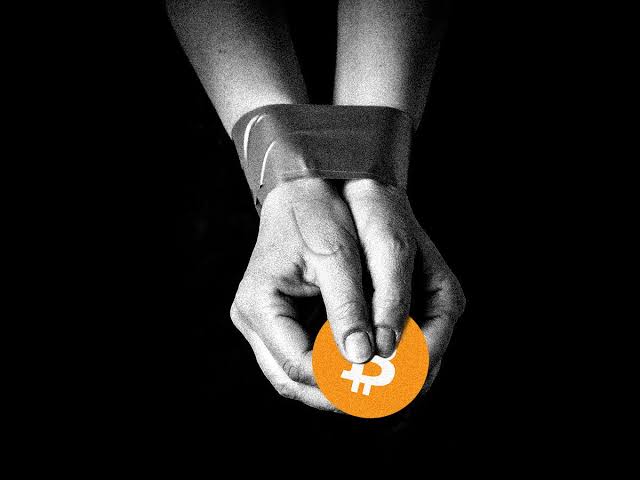
Court testimony described horrific abuse. The victims alleged they were stripped naked, restrained using tape and cable ties, beaten, burned with cigarettes and scalded with boiling water, including on their genitals.
Prosecutors further told the court the gang threatened to mutilate them, force sexual acts and attack one victim’s girlfriend unless additional cryptocurrency was transferred.
The attackers initially demanded roughly $150,000 in digital assets but ultimately received around $30,000 after determining no further funds were immediately available.
One victim was eventually released while the second remained captive. During a recorded police interview played in court, the remaining victim said he feared he had been “sold” to another criminal group that intended to continue the crypto kidnapping extortion.
Physical attacks targeting cryptocurrency investors have increased in several countries as criminals recognize that digital assets can be transferred almost instantly without traditional banking safeguards.
Blockchain security firms and law enforcement agencies continue urging investors to strengthen their personal security, avoid displaying wealth online and carefully protect information about their crypto holdings.
“The safety and security of users is our highest priority,” Richard Teng has previously said while encouraging stronger security awareness throughout the crypto ecosystem.
The London case serves as another reminder that safeguarding cryptocurrency extends beyond protecting wallets and private keys. Personal privacy, discretion and operational security have become equally critical as crypto kidnapping continues to emerge as a serious criminal threat.
As digital assets become more mainstream, authorities warn that crypto kidnapping cases may become increasingly sophisticated, making collaboration between law enforcement, cybersecurity professionals and the crypto industry essential to protecting investors worldwide.



Copyright © 2025 - The Bit Gazette.