

- Trending
- Comments
- Latest

A crypto heist involving more than $2.6 million in digital assets was allegedly planned from inside Edinburgh’s Saughton prison, where Robert Barr was serving sentences when prosecutors say he directed associates toward a cryptocurrency investor’s home.
The case was heard at the High Court in Edinburgh on September 23, with Barr having pleaded guilty to involvement in serious organized crime between January and April 2024.
The target, whose identity has not been publicly disclosed, was described in court as a local cryptocurrency entrepreneur and co-founder of a startup who had been investing in digital assets since around 2014.
Prosecutors said Barr believed the victim controlled cryptocurrency worth more than £2 million, equivalent to more than $2.6 million, including a digital coin created by the victim.
The alleged scheme illustrates a growing security consideration for crypto investors: protecting digital assets requires more than simply securing a hardware wallet.
Physical access to devices, personal information, computers and recovery credentials can also create opportunities for criminals attempting to gain control of cryptocurrency holdings.
David Dickson KC, representing the prosecution, described Barr as the head of the organized crime group involved in the operation. He told the court: “Barr was the head of the organised crime group which carried out the offence.”— David Dickson KC, advocate depute.
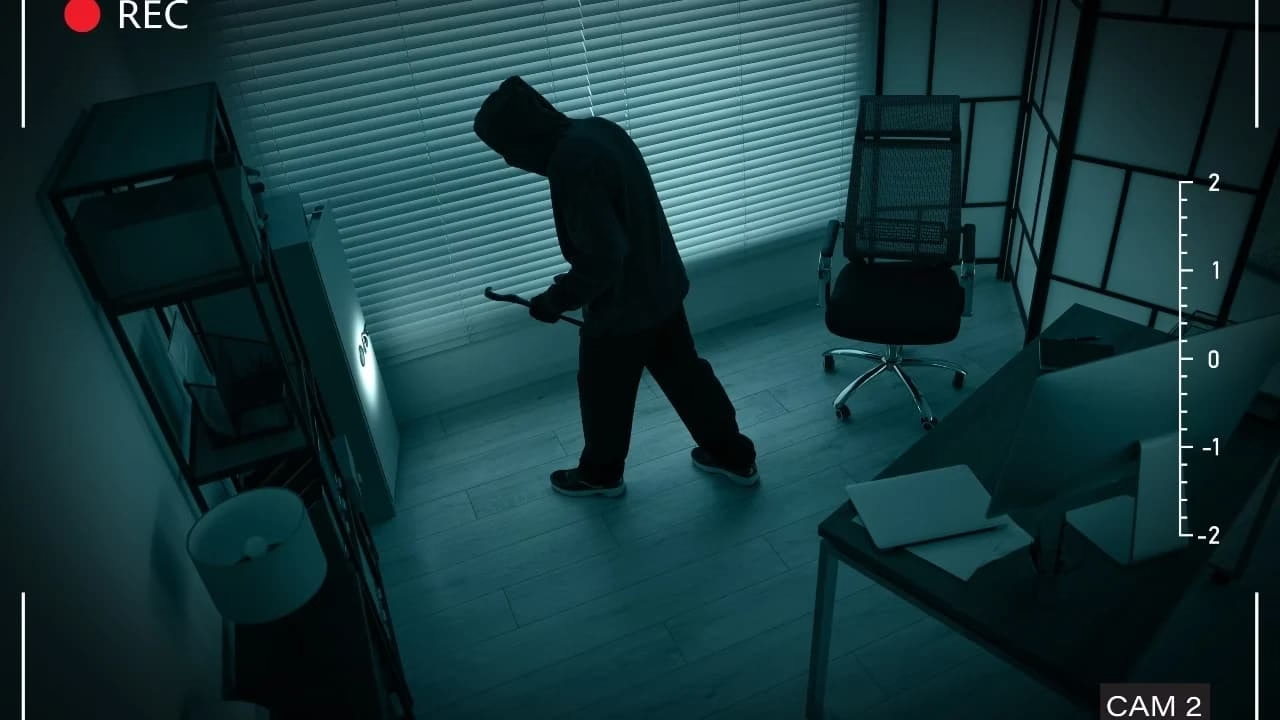
The first reported crypto heist attempt took place in January 2024, when associates allegedly broke into the victim’s home and removed a physical cryptocurrency hardware wallet.
Despite obtaining the device, the attackers were unable to access the funds. Prosecutors said they did not possess the wallet’s PIN or recovery phrase, leaving the cryptocurrency protected even though the physical device had been taken.
A stolen device does not automatically give an attacker control over the assets stored on the associated blockchain addresses.
According to the prosecution, Barr did not abandon the alleged operation after the initial failure. Instead, he reportedly began preparing another attempt against the same property several months later.
The case therefore moved beyond a conventional burglary. Prosecutors said the second plan involved obtaining access to the victim’s computer and using remote-access software to facilitate the transfer of cryptocurrency.
The second crypto heist attempt allegedly took place in April 2024. Barr reportedly communicated with associates and provided instructions aimed at gaining access to the victim’s computer during the planned raid.
Court documents cited by prosecutors showed Barr discussing the use of AnyDesk, a remote-desktop application, as part of the alleged plan. He also offered to communicate with the participants through Telegram while remaining inside prison.
Thee case underscores the importance of treating computers, passwords, authentication systems and personal information as part of the overall security perimeter around digital assets. However, the attempted operation did not reach the stage of transferring the targeted funds.
The planned crypto heist was disrupted on April 17, 2024, when two men arrived at the victim’s home. The homeowner noticed the visitors and chose not to open the door.
According to evidence presented in court, the victim’s wife subsequently used a video doorbell application to communicate with the people outside. The suspects reportedly realized they were being recorded and attempted to conceal their faces before leaving the property.
The investigation later produced additional evidence. Authorities seized a mobile phone from Barr’s prison cell on June 25, 2024. Prosecutors said forensic examination of the device uncovered material connecting Barr with the organization of cryptocurrency theft and the provision of technical assistance to associates.
Barr subsequently pleaded guilty to his involvement in serious organized crime covering the period from January to April 2024.
Sean Favier, another defendant in the case, also pleaded guilty after admitting that he attended the Midlothian property in an attempt to commit robbery and steal a significant amount of cryptocurrency.
Judge Lord Cubie deferred sentencing for Barr and Favier while background reports were prepared. Both remained in custody pending the sentencing process.
The crypto heist case provides a reminder that self-custody security extends beyond safeguarding seed phrases.
Hardware wallets, authentication credentials, personal devices, home security and privacy around cryptocurrency holdings can all become relevant when substantial digital assets are involved.
The case also shows why investors should avoid publicly disclosing the size or location of their cryptocurrency holdings. While blockchain transactions are transparent by design, information that connects an identifiable individual to significant assets can create an additional physical-security risk.
The prosecution’s allegations remain matters for the court, and the eventual sentencing will determine the consequences for those who pleaded guilty. Nevertheless, the proceedings demonstrate how criminals can combine physical intrusion with digital-access techniques when targeting cryptocurrency holders.



Copyright © 2025 - The Bit Gazette.