

- Trending
- Comments
- Latest

Crypto traders sitting on a 30% market drawdown are turning to “dopamine shopping”, browsing $56,000 watches on Dopamine Shop and ordering fake meals on FoodNeverComes, without spending a cent.
Dopamine shopping emerged in South Korea earlier in 2026 and involves browsing high-priced products such as luxury watches, designer clothing and expensive meals, then going through much of the purchasing process without completing a real transaction.
The concept is built around recreating the psychological rush associated with spending large amounts of money while avoiding the financial consequences.
For crypto traders, the trend has taken on a particular relevance after the cryptocurrency market capitalization fell about 30% from its all-time high a year ago, according to the supplied report.
Instead of purchasing an expensive watch or meal, users can interact with digital storefronts designed to make the experience feel real. The result is a form of dopamine shopping that gives users the appearance of conspicuous consumption without requiring them to part with their money.
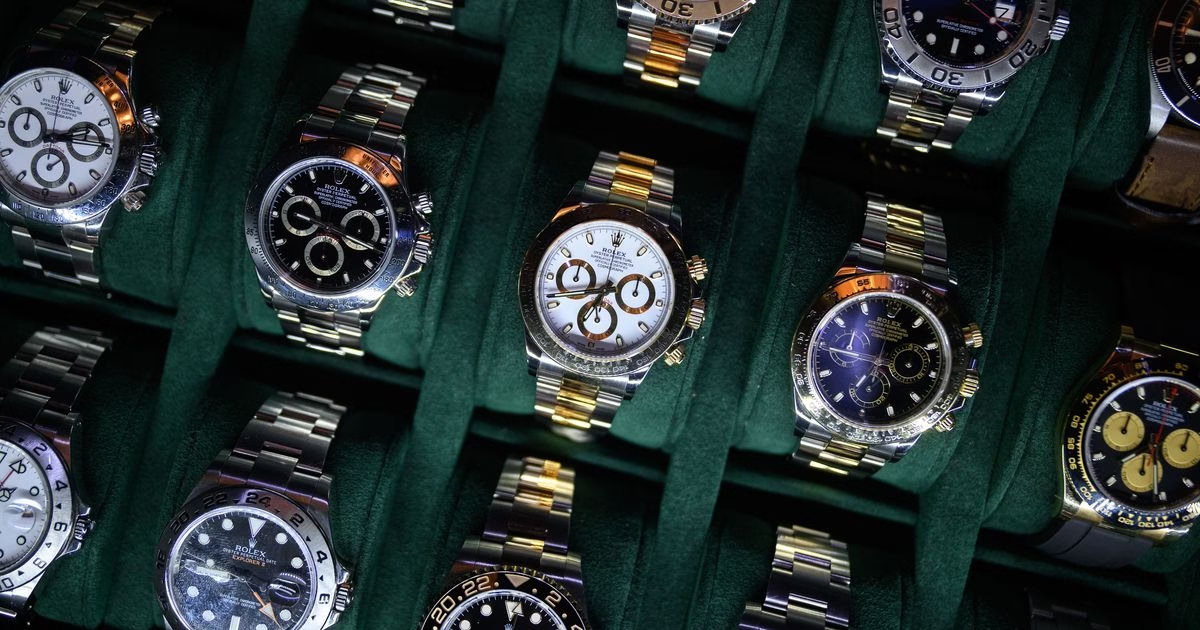
One platform, appropriately called Dopamine Shop, offers users a virtual jewelry section featuring luxury products including a $10,950 Rolex Submariner and a $56,000 Audemars Piguet.
Its slogan captures the premise of dopamine shopping in four words: “Shop freely. Buy nothing.”
The concept extends beyond luxury goods. FoodNeverComes, described as a “dopamine kitchen,” recreates the experience of ordering food through a service resembling UberEats, despite no meal actually arriving.
The BBC reportedly counted more than 2.7 million visitors to FoodNeverComes since June 2026, illustrating the level of interest surrounding simulated consumption experiences.
Rather than paying for something they cannot afford, users can browse menus, select expensive items and proceed through a simulated ordering process. The attraction lies in the experience rather than ownership or delivery.
That dynamic has helped dopamine shopping move beyond a niche internet joke and into broader conversations about consumer behavior, social media and digital entertainment.
The trend also reflects a wider shift in how online platforms can reproduce real-world experiences without requiring users to complete the underlying transaction.
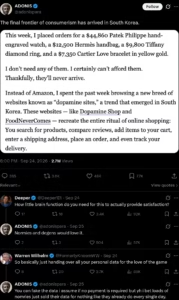
The crypto sector joined the dopamine shopping conversation this week after a commentator shared screenshots of fake storefronts in a post that attracted nearly two million views.
The commentator also encouraged his crypto-focused audience to participate, writing, “Degens would love it.”
The reference to crypto traders helped connect the broader dopamine shopping trend with a community already accustomed to speculative behavior, digital assets and high-risk financial products.
The reaction from users was largely playful, with commenters adding their own jokes about simulated purchases.
“I love checking TripNeverLeaves right after a 45-minute session with FoodNeverComes.” — Commenter reacting to the trend.
TripNeverLeaves appears to follow the same basic concept, allowing users to experience the process of making a travel-related purchase without actually taking the trip.
Together, the platforms illustrate how dopamine shopping can turn ordinary consumer activities into forms of digital entertainment.
The concept has also attracted attention from people in the financial technology sector. One fintech worker questioned why consumers continue developing new ways to replicate gambling-like experiences.
“Why do we keep coming up with new and creative ways to gamble?” — Fintech worker commenting on the trend.
The popularity of dopamine shopping has also prompted speculation about whether simulated purchases could eventually be converted into genuine commercial opportunities.
A Singapore-based lawyer and crypto influencer has joked about creating a startup that would introduce real giveaways into fake shopping applications. The proposed model would combine the simulated satisfaction of a dopamine shopping experience with a chance to receive an actual product.
Under the concept, users could make a simulated purchase and receive an entry into a lottery for the real item. The influencer joked that such a company could be worth “multi billions.”
The idea would effectively turn dopamine shopping from a novelty into a potential customer-acquisition model, combining simulated consumption with variable rewards.



Copyright © 2025 - The Bit Gazette.