






- Trending
- Comments
- Latest

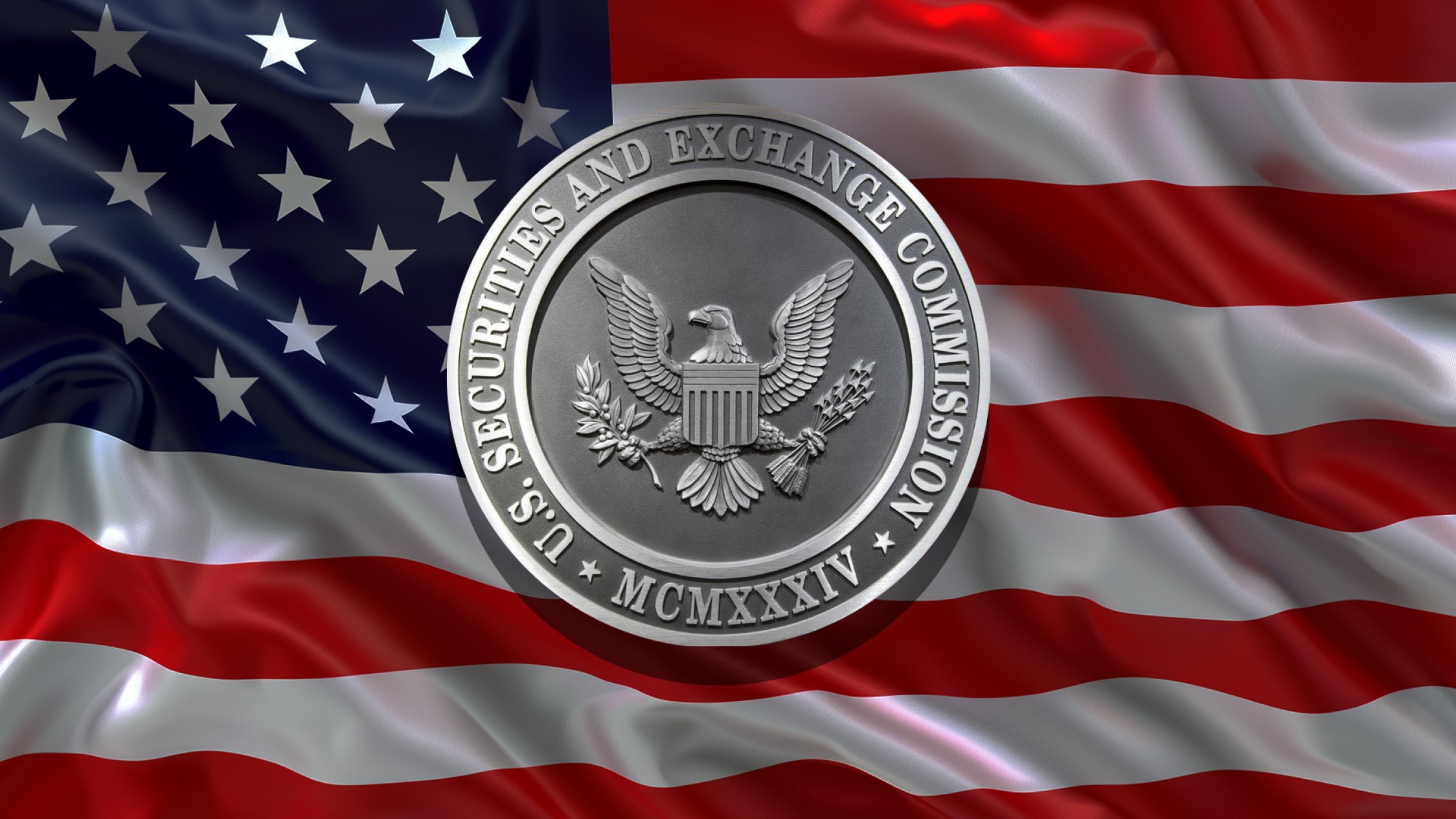
The US Securities and Exchange Commission (SEC) has charged BG Wealth Sharing Ltd and DSJ Exchange Pty Ltd over an alleged $130 million crypto fraud that used false SEC filings to appear registered, according to a complaint filed in federal court in California on October 29, 2026.
The regulator alleges the firms promised risk-free returns from AI-generated trading signals to tens of thousands of investors across more than 40 US states.
“They further sustained the ruse by displaying fake certificates with the SEC’s seal,” Laura D’Allaird, chief of the SEC’s Cyber and Emerging Technologies Unit, said in a statement.
The allegation is central to the case because regulatory documents and official-looking certificates can influence how inexperienced investors assess the credibility of an investment platform.
The SEC has not established the allegations through a final court judgment in the information provided. The charges therefore remain allegations, and the defendants’ liability has yet to be determined.
The SEC’s complaint alleges that BG Wealth Sharing and DSJ Exchange used different types of regulatory filings to create the impression that their operations had received official approval.
According to the complaint, BG Wealth allegedly submitted false Form ADV filings, while DSJ Exchange allegedly submitted false Form D filings to the regulator.
Form ADV is generally used by investment advisers to register with the SEC or state securities regulators and to provide information about their businesses, ownership and advisory activities. Form D, by contrast, is a notice filed by companies relying on certain exemptions from securities registration requirements when offering securities.
Neither filing, by itself, represents a blanket endorsement of an investment product by the SEC.
The complaint alleges that the two entities misrepresented the significance of their filings, presenting them as evidence of SEC registration or approval when neither claim was true.
The alleged use of these documents illustrates how regulatory terminology can be exploited to create a misleading impression of legitimacy. Investors unfamiliar with the distinction between submitting a filing and receiving regulatory approval may interpret official references as evidence that a company has been vetted by authorities.
The alleged display of certificates bearing the SEC’s seal added another layer to the scheme, according to D’Allaird’s statement.
For investors considering cryptocurrency opportunities, the allegations highlight the importance of checking claims directly against official regulatory records rather than relying on certificates, screenshots or assurances supplied by an investment platform.
SEC had earlier charged four firms over $15.3m crypto and AI trading scams that used Whatsapp groups and fake SEC filings.
However, the case is not simply about the use of cryptocurrency. The allegations concern the broader presentation of an investment opportunity, including the entities’ claimed regulatory standing and the returns they allegedly promised.
The SEC alleges that the two companies promoted cryptocurrency investment strategies based on signals generated by artificial intelligence and promised investors risk-free returns.
Such assurances are significant because cryptocurrency markets can experience substantial price fluctuations, and trading systems do not eliminate the possibility of losses.
AI-based trading tools can analyse market data, identify patterns and generate trading signals, but their performance depends on factors including the quality of the data, the design of the strategy and changing market conditions. Claims of guaranteed profits therefore warrant careful scrutiny, particularly when a platform provides little independently verifiable evidence of its performance.
In this case, the SEC alleges that the entities used their promises of risk-free returns to attract tens of thousands of retail investors over the period covered by the complaint.
The available report does not specify the precise investment amounts contributed by individual investors, how the alleged proceeds were distributed or whether all investors suffered losses. It also does not provide details of the trading algorithms supposedly used by the companies.
Those distinctions matter when assessing the scope of the alleged crypto fraud. The reported $130 million figure describes the scale of the investment scheme alleged by the regulator; it should not automatically be interpreted as a confirmed total of investor losses or money proven to have been stolen
The case nevertheless highlights a recurring challenge for financial regulators: investment pitches can combine emerging technology with claims of unusually reliable returns, making it difficult for some retail investors to distinguish a legitimate trading service from a potentially deceptive operation.
The allegations also reinforce the need to assess the people and entities behind an investment product, the legal status of the offering and the evidence supporting its advertised performance.
The SEC is seeking permanent injunctions against BG Wealth Sharing Ltd and DSJ Exchange Pty Ltd, repayment of funds allegedly misappropriated and civil penalties.
Permanent injunctions could restrict the defendants from engaging in conduct found to violate securities laws. Repayment and financial penalties would depend on the legal proceedings and any relief ultimately ordered.
The regulator’s requested remedies indicate that the case is focused not only on the alleged conduct but also on potential financial recovery and preventing similar violations.
The proceedings could also serve as a warning to cryptocurrency investment businesses that claims about regulatory status must accurately reflect their legal position. Submitting a filing to the SEC does not automatically mean that the agency has approved a company’s business model, guaranteed its investment returns or verified its trading technology.
For retail investors, the case underscores the importance of treating promises of guaranteed cryptocurrency profits with caution, especially when those promises are accompanied by official-looking documents that cannot be independently verified.
Investors should examine a company’s registration status through the relevant regulator, understand what any filing actually means and seek independent advice before committing funds to unfamiliar platforms.
The SEC’s allegations against BG Wealth Sharing and DSJ Exchange remain subject to the legal process. The outcome will determine whether the regulator can establish its claims and secure the remedies it is seeking.
For now, the case places alleged false regulatory claims, AI-driven trading promises and the protection of retail investors at the centre of another major US cryptocurrency enforcement action.



Copyright © 2025 - The Bit Gazette.

